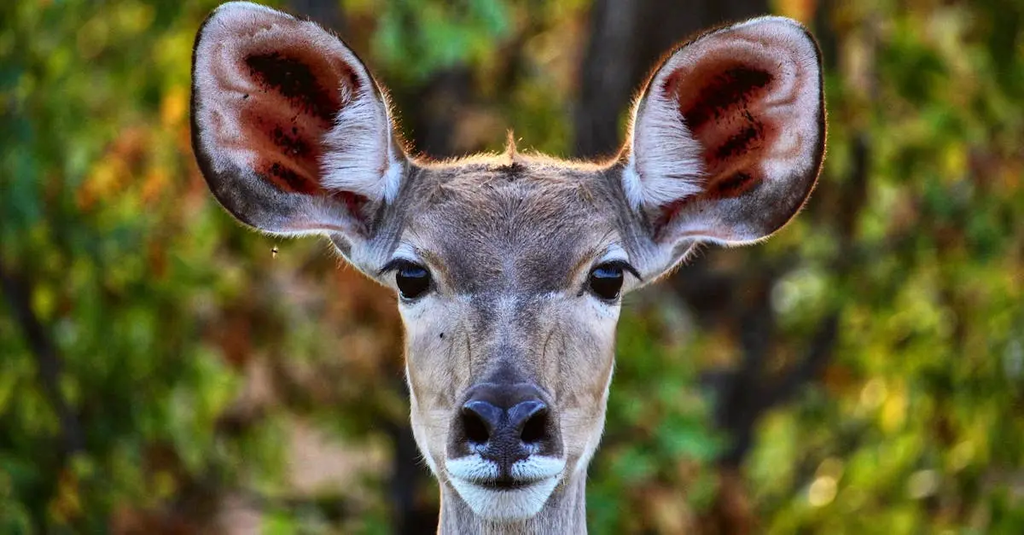
Wildlife management practices refer to the methods and strategies used to maintain, conserve, and regulate wildlife populations and their habitats. These practices aim to balance the needs of wildlife with those of humans, ensuring sustainable ecosystems. Techniques include habitat restoration, population monitoring, controlled hunting, and the implementation of laws and policies. Effective wildlife management helps prevent species extinction, supports biodiversity, and promotes healthy interactions between humans and nature.
Wildlife Management Practices
Wildlife management practices refer to the methods and strategies used to maintain, conserve, and regulate wildlife populations and their habitats. These practices aim to balance the needs of wildlife with those of humans, ensuring sustainable ecosystems. Techniques include habitat restoration, population monitoring, controlled hunting, and the implementation of laws and policies. Effective wildlife management helps prevent species extinction, supports biodiversity, and promotes healthy interactions between humans and nature.
💡 Key Takeaways
- Understand the goal of wildlife management: balancing wildlife conservation with human needs to sustain ecosystems.
- Learn key techniques such as habitat restoration, habitat protection, and population monitoring.
- Discover how data-driven decisions guide population regulation and habitat care to prevent declines.
- Recognize the importance of stakeholder involvement and humane methods to prevent human-wildlife conflicts.
❓ Frequently Asked Questions
What is wildlife management and why is it important?
Wildlife management is the practice of maintaining, conserving, and regulating wildlife populations and their habitats to balance ecological health with human needs, supporting sustainable ecosystems.
What are common techniques used in wildlife management?
Techniques include habitat restoration, population monitoring, regulatory measures (permits and quotas), invasive species control, wildlife corridors, and reintroduction or relocation of species.
How does habitat restoration help wildlife?
Restoring native habitats provides essential food, shelter, and breeding sites, boosts biodiversity, and strengthens ecosystem resilience.
Why is monitoring important in wildlife management?
Regular data collection on population size, health, and trends guides decisions, helps detect declines early, and measures the effectiveness of interventions.