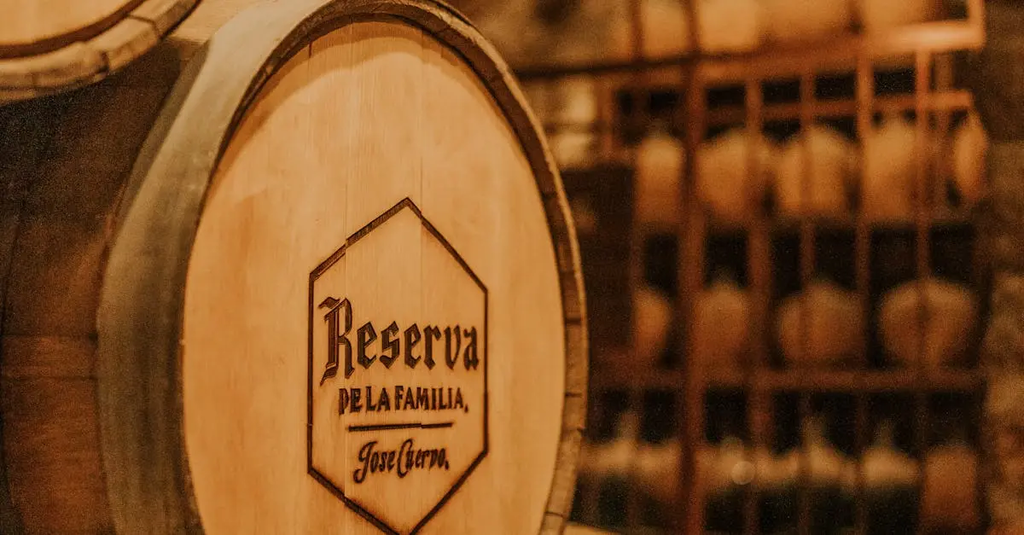
Wine & Cocktails: Cellaring & Aging refers to the process of storing wines and certain cocktail ingredients under controlled conditions to enhance their flavors, aromas, and complexity over time. Proper cellaring involves managing temperature, humidity, and light exposure to allow wines to mature gracefully. While cocktails are typically consumed fresh, some can benefit from aging, especially those made in batches with spirits, resulting in smoother, more integrated flavors.
Wine & Cocktails: Cellaring & Aging
Wine & Cocktails: Cellaring & Aging refers to the process of storing wines and certain cocktail ingredients under controlled conditions to enhance their flavors, aromas, and complexity over time. Proper cellaring involves managing temperature, humidity, and light exposure to allow wines to mature gracefully. While cocktails are typically consumed fresh, some can benefit from aging, especially those made in batches with spirits, resulting in smoother, more integrated flavors.
💡 Key Takeaways
- Explain how controlled temperature, humidity, and light exposure influence wine aging and flavor development.
- Identify ideal cellar conditions (temperature range, humidity, and darkness) for different wine styles to maximize aging potential.
- Describe how aging affects wine attributes such as color, aroma, tannins, and balance, and how to tell when a bottle is ready to drink.
- Outline practical cellar setup and bottle handling practices (cork integrity, bottle orientation, minimizing vibration) that support proper aging.
❓ Frequently Asked Questions
What is wine cellaring?
Storing wine under controlled conditions to slow aging and let flavors, aromas, and complexity develop over time.
What conditions matter most for wine cellaring?
Maintain a steady ~55°F (13°C), humidity 60–70%, darkness, minimal vibrations, and bottles stored on their sides to keep the cork moist.
How does temperature affect aging?
Cool, stable temperatures slow aging and preserve quality; heat spikes or large fluctuations can spoil wine or accelerate unwanted changes.
Can cocktail ingredients be aged like wine?
Some fortified ingredients (e.g., vermouth, certain bitters) can improve with aging in a cool, dark place; most syrups and fresh components should be used fresh.
How can you tell if a wine will age well?
Wines with high acidity, strong structure (tannins), and good concentration tend to age longer; check producer notes for aging potential.