"Wine & Cocktails: Intro to Tasting" refers to a beginner-friendly exploration of the fundamentals of tasting wines and cocktails. Participants learn how to identify flavors, aromas, and textures, as well as understand the basic components that make up different beverages. This introduction often covers tasting techniques, proper glassware, and tips for appreciating various styles, enhancing both enjoyment and knowledge for those new to the world of wine and cocktails.
Wine & Cocktails: Intro to Tasting+50
"Wine & Cocktails: Intro to Tasting" refers to a beginner-friendly exploration of the fundamentals of tasting wines and cocktails. Participants learn how to identify flavors, aromas, and textures, as well as understand the basic components that make up different beverages. This introduction often covers tasting techniques, proper glassware, and tips for appreciating various styles, enhancing both enjoyment and knowledge for those new to the world of wine and cocktails.
💡 Key Takeaways
- Recognize core flavors, aromas, and textures in wine and cocktails using a simple tasting routine.
- Identify the components that shape a beverage (base alcohol, mixers, sweetness, acidity, bitterness, carbonation) and how they interact.
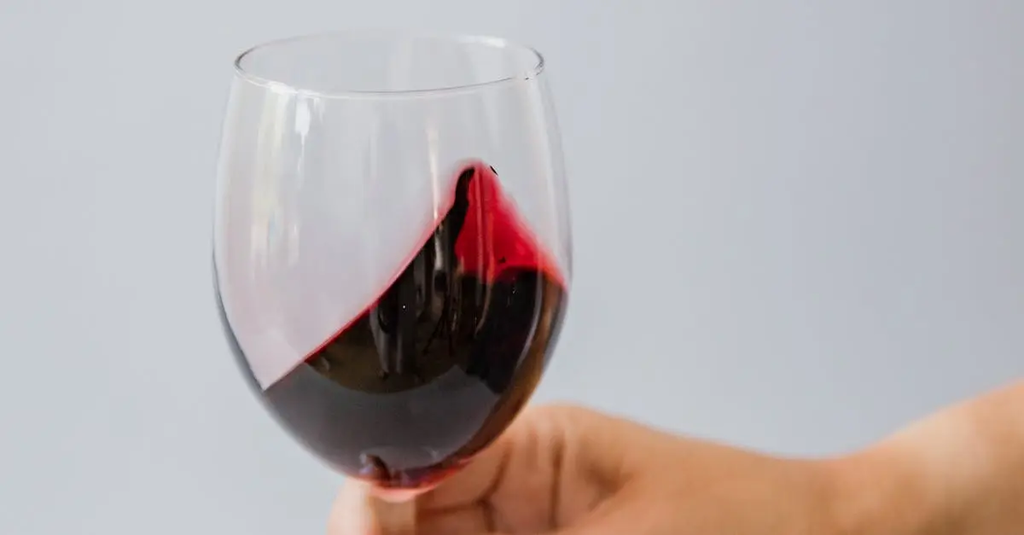
- Apply a basic tasting process (appearance, aroma, palate, finish) to compare wines and cocktails.
- Build beginner-friendly vocabulary to describe tastes and aromas (fruit, floral, oak, spice, citrus, tannin, smooth).
❓ Frequently Asked Questions
What is tasting in wine and cocktails, and why is it helpful?
Tasting is evaluating appearance, aroma (nose), and palate (taste and texture) to identify flavors and judge quality, balance, and potential pairings.
What are the key stages you evaluate when tasting?
Appearance, aroma, palate (taste/texture), and finish.
What is the difference between aroma and flavor?
Aroma is what you smell from the beverage; flavor is what you taste in the mouth. Aromas shape the overall flavor experience.
Which components most influence wine or cocktail structure?
Acidity, sweetness, alcohol, body/weight, and (for wine) tannins and bitterness.