"Wine and Spirits" refers to alcoholic beverages, with "wine" made from fermented grapes or other fruits, and "spirits" denoting distilled liquors such as vodka, whiskey, rum, gin, and brandy. These drinks are commonly consumed socially, during celebrations, or paired with meals. The phrase is often used in the context of stores, bars, or regulations involving the sale and distribution of alcoholic products.
Wine and Spirits+50
"Wine and Spirits" refers to alcoholic beverages, with "wine" made from fermented grapes or other fruits, and "spirits" denoting distilled liquors such as vodka, whiskey, rum, gin, and brandy. These drinks are commonly consumed socially, during celebrations, or paired with meals. The phrase is often used in the context of stores, bars, or regulations involving the sale and distribution of alcoholic products.
💡 Key Takeaways
- Differentiate wine from spirits by production method (fermentation vs distillation) and typical alcohol content.
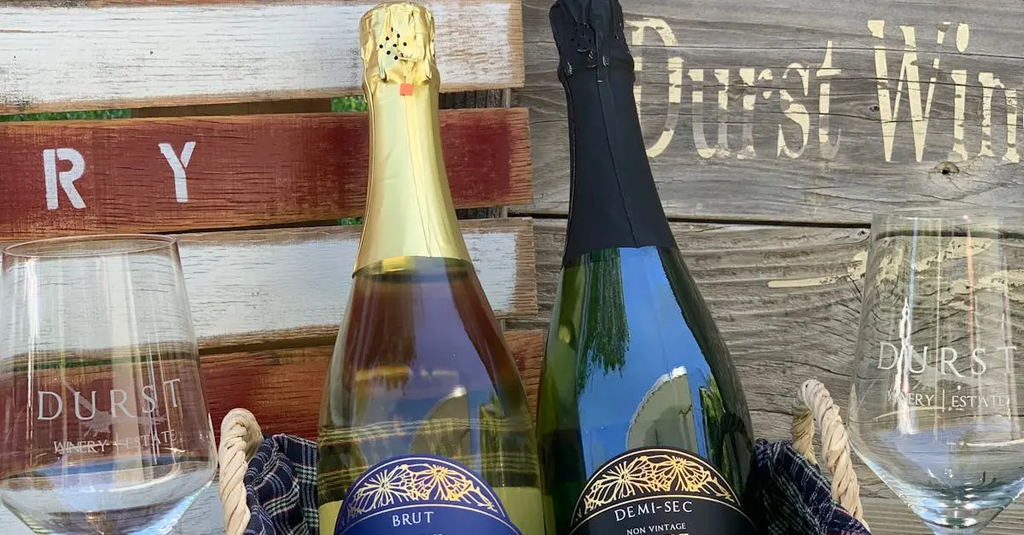
- Identify common wine styles (red, white, rosé, sparkling) and major spirits (vodka, whiskey, rum, gin, brandy).
- Learn when people typically drink wine or spirits—meals, celebrations, and social occasions.
- Get quick pairing and serving basics: which wine styles complement different foods and how spirits are used in simple cocktails.
❓ Frequently Asked Questions
What is the main difference between wine and spirits?
Wine is made by fermenting grapes or other fruits; spirits are distilled liquors with higher alcohol content.
What are common categories of wine and common types of spirits?
Wines: red, white, rosé, and sparkling. Spirits: vodka, whiskey, rum, gin, and brandy.
How is alcohol content measured and what are typical ABV ranges?
Alcohol by volume (ABV) expresses a beverage's alcohol percentage. Wines are usually about 8–15% ABV; spirits are typically around 40% ABV or higher.
How are wine and spirits typically enjoyed or served?
Wine is often enjoyed with meals or at celebrations; spirits are enjoyed neat, on the rocks, or in cocktails. White wines are usually served cooler (7–12°C) and red wines warmer (12–18°C). Spirits are generally served at room temperature or slightly chilled.