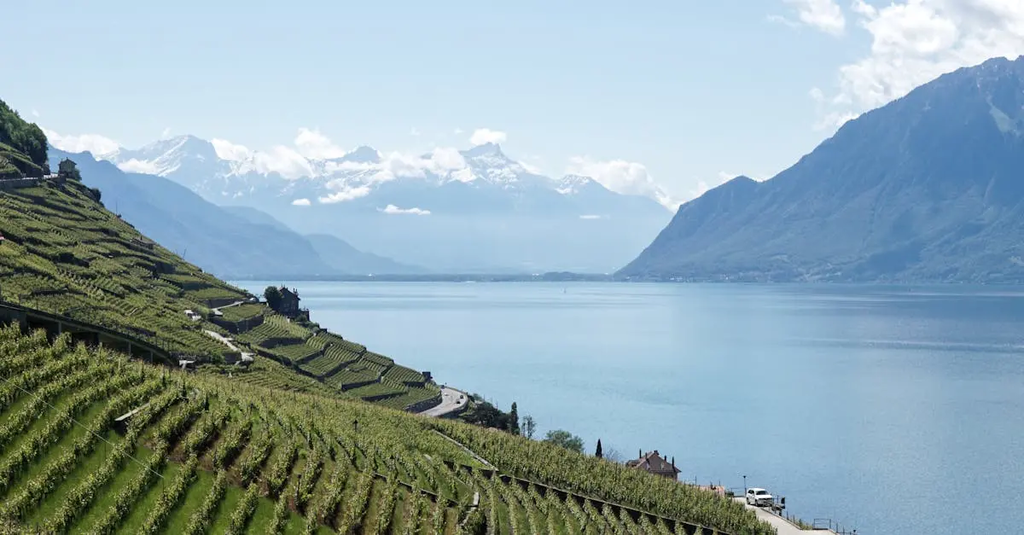
Wine regions are specific geographic areas known for producing distinct styles of wine. Terroir refers to the unique combination of climate, soil, topography, and local traditions that influence how grapes grow and how wine tastes. Together, wine regions and terroir shape the character, aroma, and flavor profile of wines, making each bottle a reflection of its origin. This concept is central to understanding and appreciating fine wines globally.
Wine Regions and Terroir
Wine regions are specific geographic areas known for producing distinct styles of wine. Terroir refers to the unique combination of climate, soil, topography, and local traditions that influence how grapes grow and how wine tastes. Together, wine regions and terroir shape the character, aroma, and flavor profile of wines, making each bottle a reflection of its origin. This concept is central to understanding and appreciating fine wines globally.
💡 Key Takeaways
- Understand what terroir means and its core components: climate, soil, topography, and local traditions.
- Explore how wine regions shape distinct styles, aromas, and flavors through geography and winemaking practices.
- Identify how terroir influences grape growth and key wine traits such as acidity, tannins, and aroma profiles.
- Use terroir insights to compare wines from different regions and better describe their character during tastings.
❓ Frequently Asked Questions
What is terroir?
Terroir is the unique blend of climate, soil, topography, and local winemaking traditions that shape how grapes grow and how wine tastes.
Which factors define a wine region's terroir?
Climate (temperature, sunlight, rainfall), soil type and drainage, vineyard slope and altitude, and local practices such as grape varieties and winemaking methods.
How does terroir influence wine aroma and flavor?
Terroir affects grape ripening and the development of flavor compounds, contributing distinctive aromas, acidity, and taste that reflect the region.
Why do different regions produce different wine styles?
Because each region’s terroir interacts with grape varieties and winemaking traditions, leading to characteristic styles, aromas, and textures unique to that area.