Winking emojis, often used to convey playfulness, humor, or flirtation, can carry varied meanings across cultures. In Western contexts, a wink generally signals lightheartedness or a shared secret. However, in some Asian cultures, winking may be seen as inappropriate or confusing, and the emoji might not evoke the same friendly tone. When combined with smiles or tears, interpretations can further shift, reflecting sarcasm, reassurance, or subtle emotional nuance depending on cultural context.
Winking Emojis in Different Cultures
Winking emojis, often used to convey playfulness, humor, or flirtation, can carry varied meanings across cultures. In Western contexts, a wink generally signals lightheartedness or a shared secret. However, in some Asian cultures, winking may be seen as inappropriate or confusing, and the emoji might not evoke the same friendly tone. When combined with smiles or tears, interpretations can further shift, reflecting sarcasm, reassurance, or subtle emotional nuance depending on cultural context.
💡 Key Takeaways
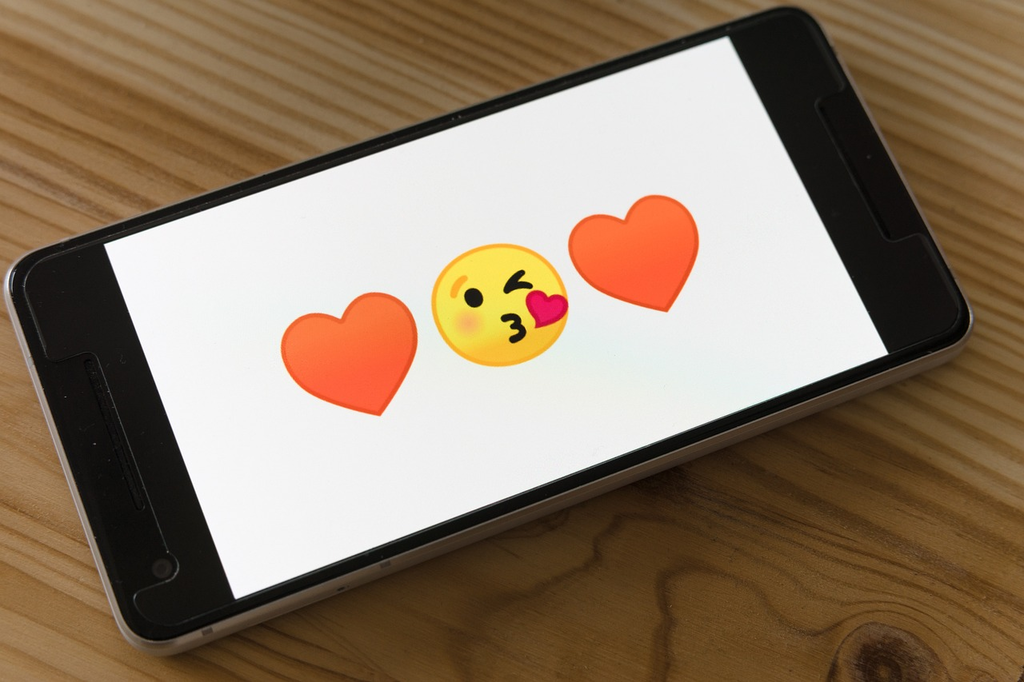
- Understand that a wink emoji can have multiple meanings (playfulness, flirting, sarcasm) that vary by culture.
- Identify cultural cues and contexts that change how a wink is interpreted.
- Recognize that emoji visuals differ by platform (Apple, Google, Samsung) and can alter the message.
- Learn to tailor emoji use to your audience and add clarifying text when needed to avoid miscommunication.
❓ Frequently Asked Questions
What does a winking emoji typically convey?
It usually signals playfulness, humor, or flirtation and can soften a statement. Context and tone are important to avoid misreading.
How can the meaning of a wink emoji differ across cultures?
In some cultures a wink may be flirtatious or intimate; in others it can feel informal or inappropriate in professional settings. Some may read it as secrecy or sarcasm.
When should you avoid using a wink emoji?
In formal communication, with unfamiliar people, or when the topic is serious or sensitive. If the intended tone isn’t clear, skip the wink to prevent misinterpretation.
How can you reduce misinterpretation in cross-cultural messages?
Pair the wink with clear text, choose a more neutral emoji, or adjust your tone to fit the audience and platform. When in doubt, omit the emoji.