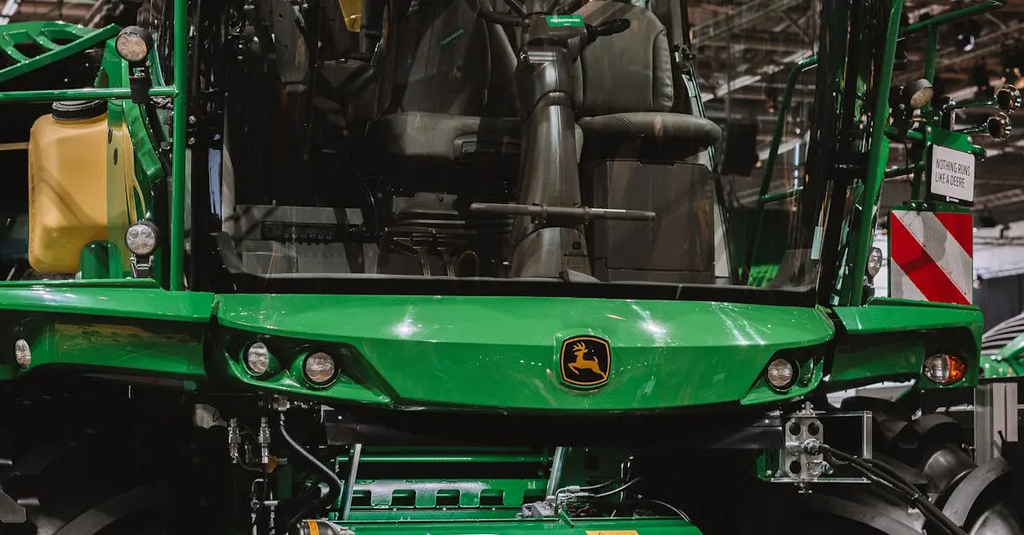
Workforce displacement and automation refer to the process where human jobs are replaced or significantly altered by machines, artificial intelligence, or other automated technologies. As automation increases efficiency and reduces costs, certain roles become obsolete, leading to job loss or the need for workers to reskill. This shift can create economic and social challenges, including unemployment and the need for new training programs to help workers adapt to the evolving job market.
Workforce Displacement and Automation
Workforce displacement and automation refer to the process where human jobs are replaced or significantly altered by machines, artificial intelligence, or other automated technologies. As automation increases efficiency and reduces costs, certain roles become obsolete, leading to job loss or the need for workers to reskill. This shift can create economic and social challenges, including unemployment and the need for new training programs to help workers adapt to the evolving job market.

💡 Key Takeaways
- Learn how automation can both displace certain jobs and create new opportunities through productivity gains.
- Explore how American innovations and inventors have shaped the labor market and job roles across industries.
- Understand key terms like automation, AI, and robotics, and how they differ from outsourcing or offshoring.
- Identify strategies for workers and policymakers to mitigate displacement, including reskilling, lifelong learning, and supportive policies.
❓ Frequently Asked Questions
What is workforce displacement in the context of automation?
Workforce displacement occurs when automation replaces or greatly changes human jobs, leading to job loss or the need to switch to different roles.
How does automation increase efficiency and reduce costs for businesses?
Machines and software perform repetitive tasks faster, with fewer errors, and can operate continuously, lowering labor costs and enabling scalable production.
Which types of jobs are most at risk of automation?
Roles with repetitive, rule-based, or predictable tasks—especially manual or data-processing work—are more susceptible to automation.
What can workers do to adapt to automation?
Upskill in areas like digital literacy, data analysis, programming, or automation maintenance, and focus on tasks that require creativity, complex decision-making, or human interaction.