World marriage laws and traditions encompass the diverse legal frameworks and cultural customs governing marriage across different countries and societies. These laws regulate aspects such as age of consent, polygamy, same-sex unions, and required documentation. Traditions often dictate wedding ceremonies, dowries, and familial roles, reflecting religious beliefs and historical influences. Together, marriage laws and traditions shape how unions are formed, celebrated, and recognized globally, highlighting both universal values and unique local practices.
World Marriage Laws and Traditions
World marriage laws and traditions encompass the diverse legal frameworks and cultural customs governing marriage across different countries and societies. These laws regulate aspects such as age of consent, polygamy, same-sex unions, and required documentation. Traditions often dictate wedding ceremonies, dowries, and familial roles, reflecting religious beliefs and historical influences. Together, marriage laws and traditions shape how unions are formed, celebrated, and recognized globally, highlighting both universal values and unique local practices.
💡 Key Takeaways
- Compare marriage ages, consent rules, polygamy, and recognition of same-sex unions across major regions.
- Identify the typical legal documents and steps needed to marry in different countries (licenses, residency, witnesses).
- Describe common wedding traditions and ceremonies from diverse cultures and what they signify.
- Explain how civil and religious marriages interact with the law and how this affects recognition in different jurisdictions.
- Explore how modern and cross-border marriages shape celebrations, etiquette, and inclusive party games across cultures.
❓ Frequently Asked Questions
What do world marriage laws cover?
They define eligibility to marry, how marriages are registered, and the rights and responsibilities of spouses, including age, consent, and recognition of different unions.
How does the minimum age for marriage vary across countries?
It differs by country and region; many places set 18 as a base, with exceptions for parental or court approval for younger marriages.
What is polygamy, and how is it treated legally?
Polygamy means having more than one spouse. In most countries it’s illegal under civil law, though some places permit it under customary or religious rules; recognition of multiple spouses is usually limited.
How are same-sex unions recognized around the world?
Legal recognition ranges from full marriage equality to civil unions or domestic partnerships, while some places still ban same-sex unions.
How do wedding traditions vary across cultures?
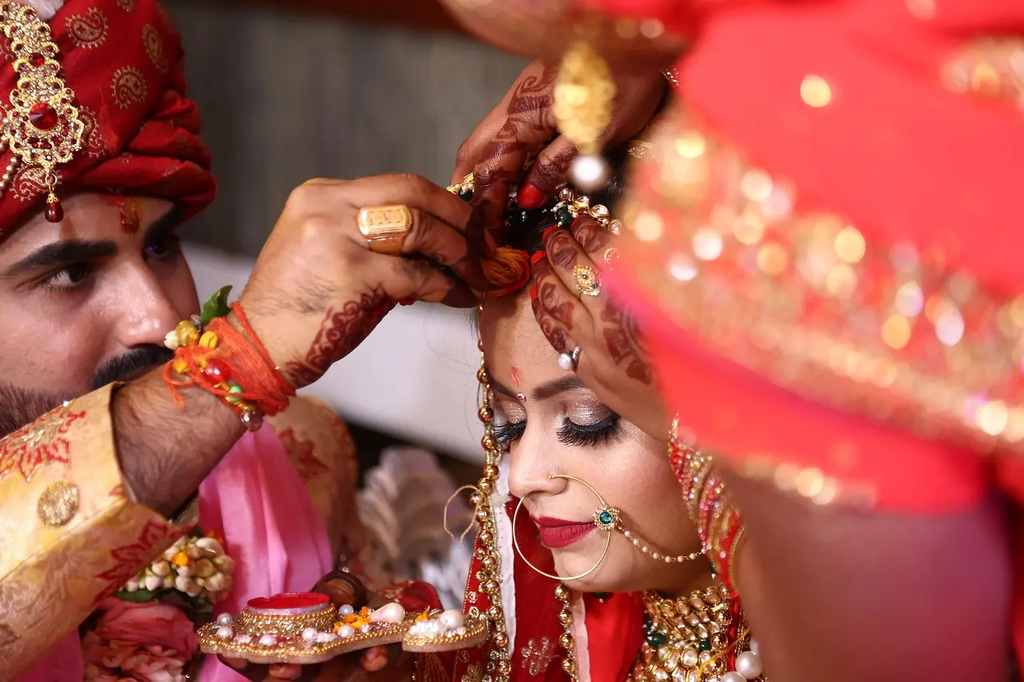
Ceremonies, attire, rituals, and celebrations differ by culture and religion, reflecting local customs such as rings, processions, dowries, and toasts.