Yoga for Flexibility emphasizes incorporating specific yoga poses and stretches into your daily routine to enhance muscle suppleness and joint mobility. By pairing these practices with healthy lifestyle habits and consuming superfoods rich in antioxidants, vitamins, and minerals, you can support overall physical well-being. This holistic approach not only improves flexibility but also boosts energy, reduces stress, and promotes long-term health through mindful movement and nutrition.
Yoga for Flexibility
Yoga for Flexibility emphasizes incorporating specific yoga poses and stretches into your daily routine to enhance muscle suppleness and joint mobility. By pairing these practices with healthy lifestyle habits and consuming superfoods rich in antioxidants, vitamins, and minerals, you can support overall physical well-being. This holistic approach not only improves flexibility but also boosts energy, reduces stress, and promotes long-term health through mindful movement and nutrition.
💡 Key Takeaways
- Improve overall flexibility and range of motion with consistent yoga practice.
- Master key poses that target tight areas like hamstrings, hips, spine, and shoulders.
- Learn safe progressions and alignment cues to stretch deeper without injury.
- Use breath work and controlled movement to enhance flexibility and relaxation.
❓ Frequently Asked Questions
What is yoga for flexibility?
Yoga uses mindful movement, breathing, and holding poses to lengthen muscles and improve joint range of motion, gradually increasing flexibility.
How often should a beginner practice to improve flexibility?
Start with 2–3 sessions per week, about 20–30 minutes, and gently progress hold times and pose depth over time.
Which yoga poses are especially good for increasing flexibility?
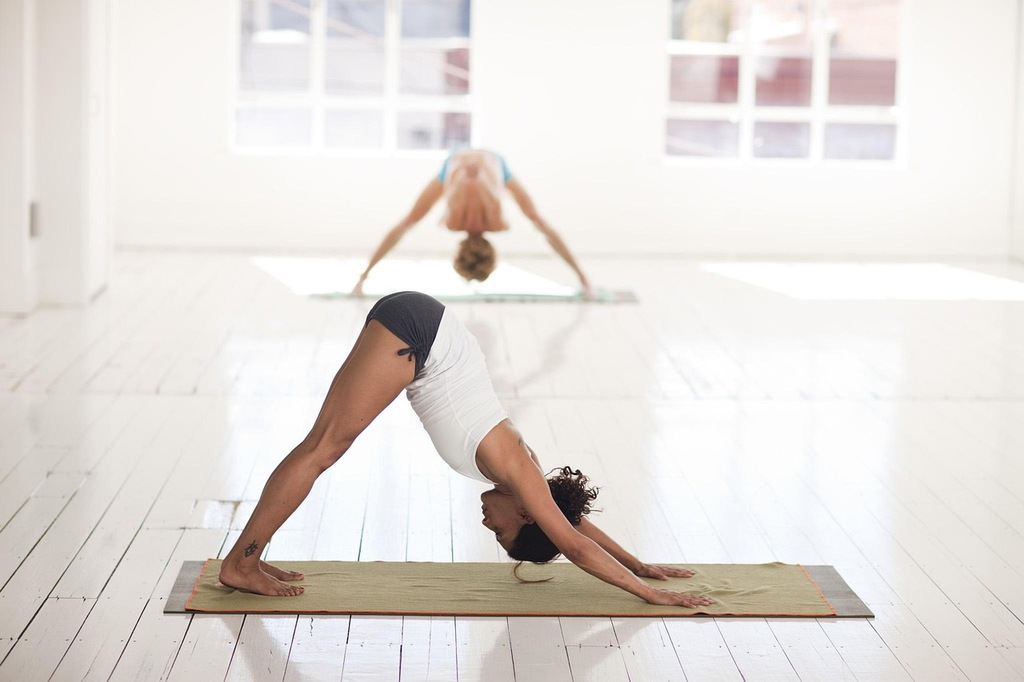
Hip and hamstring openers like Bound Angle Pose, Seated Forward Bend, Pigeon Pose prep, Downward-Facing Dog, and Wide-Legged Forward Bend are particularly helpful.
Can yoga make me flexible quickly?
Flexibility grows gradually with consistent practice; some gains appear in weeks, but progress varies. Avoid forcing stretches.
Should I warm up before or stretch after yoga to improve flexibility?
Begin with a light warm-up or easy poses to loosen the body, then do deeper stretches once muscles are warm. Use props as needed.