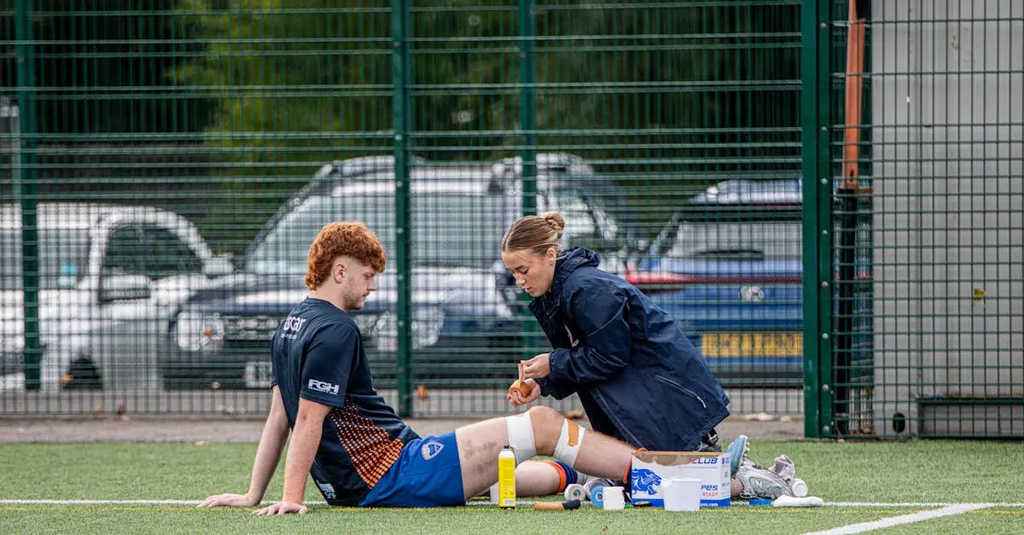
Youth Development & Academies refer to structured programs and institutions dedicated to nurturing the skills, talents, and overall growth of young individuals, often in sports, arts, or academics. These academies provide specialized training, mentorship, and educational support, aiming to foster personal, social, and professional development. Through tailored curricula and expert guidance, youth development initiatives help young people realize their potential and prepare them for future opportunities in their chosen fields.
Youth Development & Academies
Youth Development & Academies refer to structured programs and institutions dedicated to nurturing the skills, talents, and overall growth of young individuals, often in sports, arts, or academics. These academies provide specialized training, mentorship, and educational support, aiming to foster personal, social, and professional development. Through tailored curricula and expert guidance, youth development initiatives help young people realize their potential and prepare them for future opportunities in their chosen fields.

💡 Key Takeaways
- Understand how youth academies identify and nurture football talent from an early age.
- Learn the core components of modern football academies, including coaching, fitness, education, and mentorship.
- Explore structured development paths and how age-appropriate training supports long-term player progression.
- Recognize the importance of balancing academics and personal development with sport within academy programs.
- Investigate pathways from academy to professional football, including trials, reserve teams, and first-team exposure.
❓ Frequently Asked Questions
What is a football academy?
A structured program run by a club or organization that develops young players through focused coaching, talent identification, and mentorship, with clear paths toward higher levels of football and education.
What are the main components of a football academy program?
Technical and tactical training, physical conditioning, sports science support (nutrition, injury prevention), education or academic support, mentorship, and a progression pathway to higher teams.
What ages do football academies typically serve?
Most programs start around ages 6–8 and run through adolescence, with youth teams from U8 to U18 (and sometimes U21/U23), depending on the club and country.
How do academies balance sport with education and personal development?
Many academies provide schooling support, tutoring, flexible training schedules, and personal development resources to help players succeed academically while progressing in football.