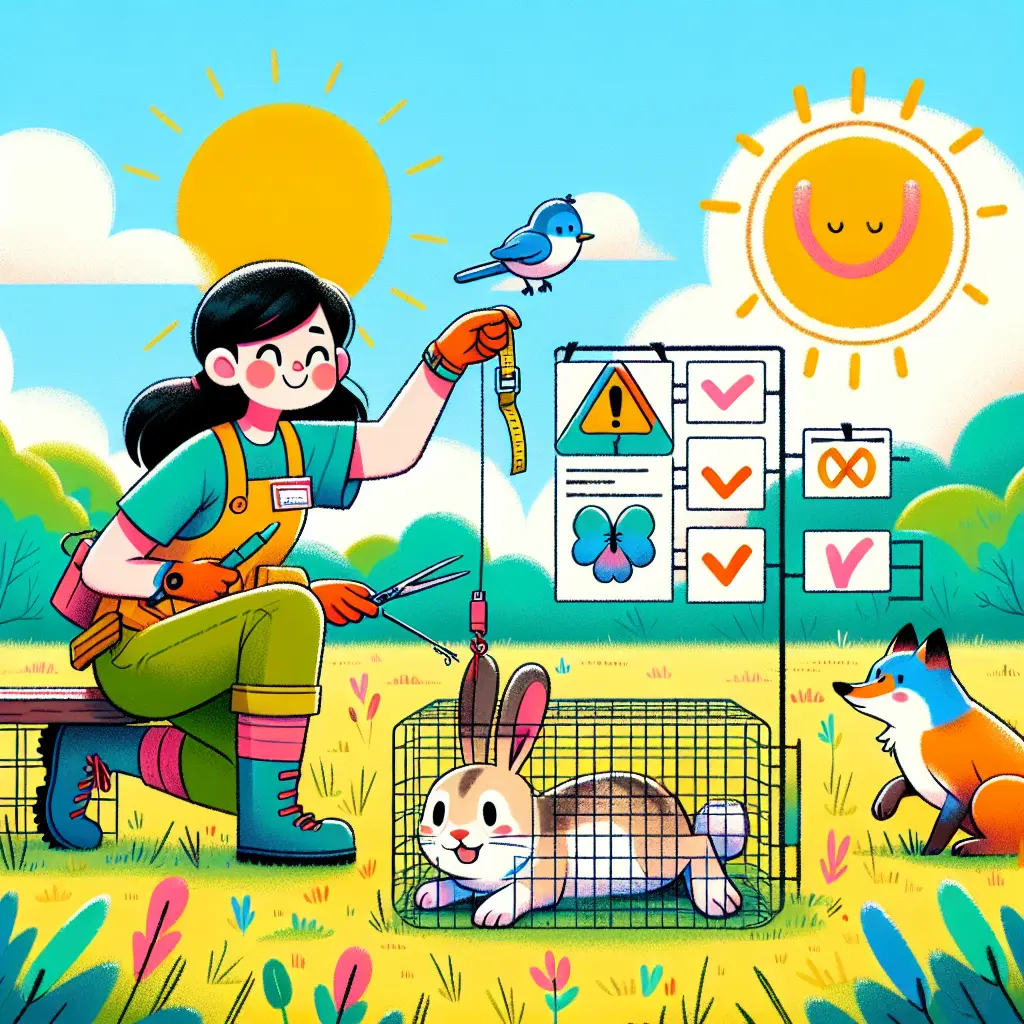
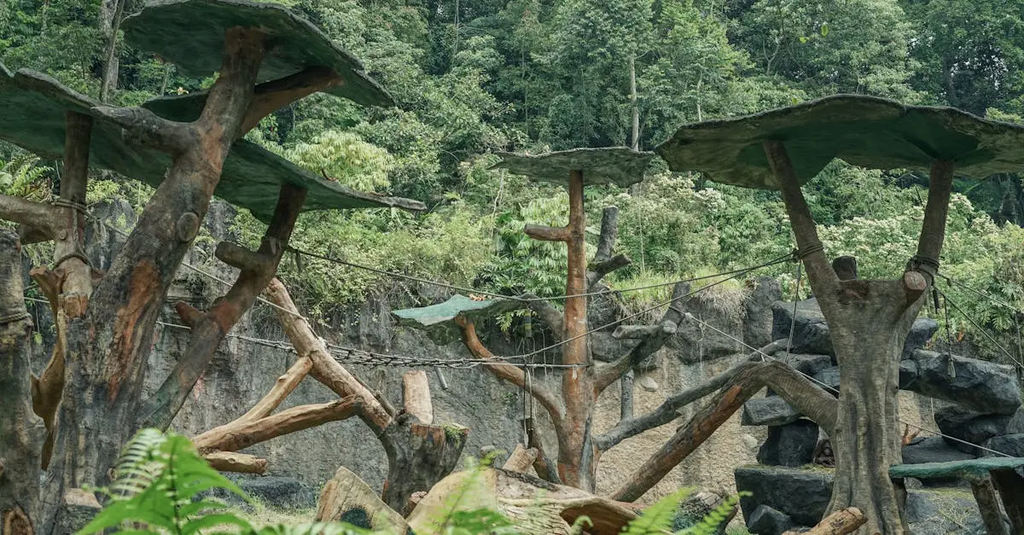
Zoo Exhibit Design & Management involves creating and maintaining habitats that closely mimic animals’ natural environments while ensuring their safety, health, and enrichment. It requires careful planning of space, materials, and features to meet the behavioral and physical needs of diverse species. Effective management includes regular maintenance, monitoring animal welfare, and facilitating educational and engaging experiences for visitors, all while adhering to ethical and regulatory standards.
Zoo Exhibit Design & Management
Zoo Exhibit Design & Management involves creating and maintaining habitats that closely mimic animals’ natural environments while ensuring their safety, health, and enrichment. It requires careful planning of space, materials, and features to meet the behavioral and physical needs of diverse species. Effective management includes regular maintenance, monitoring animal welfare, and facilitating educational and engaging experiences for visitors, all while adhering to ethical and regulatory standards.
💡 Key Takeaways
- Design habitats that mimic natural environments while ensuring animal safety and welfare.
- Plan space, materials, and features to meet the behavioral and physical needs of diverse species.
- Implement enrichment strategies and regular maintenance to promote mental stimulation and health.
- Apply safety, risk assessment, and welfare monitoring to exhibits and staff workflows.
- Evaluate exhibit effectiveness and sustainability for continuous improvement.
❓ Frequently Asked Questions
What is zoo exhibit design and management?
Zoo exhibit design and management involves planning, building, and maintaining habitats that resemble animals' natural environments while ensuring safety, health, enrichment, and ease of care for staff.
Why is enrichment important in zoo exhibits?
Enrichment promotes natural behaviors, reduces stress, and improves welfare by adding environmental complexity, foraging opportunities, and ongoing stimulation.
What factors influence space planning for diverse species?
Consider species size and activity, social structure, climate needs, behavioral requirements, visitor visibility, and practical needs for care and veterinary access.
What safety considerations are essential in exhibit design?
Secure barriers, escape-proof enclosures, safe substrates, water and hazard controls, quarantine spaces, maintenance access, and staff safety protocols.
What role do materials and habitat features play in exhibit design?
Durable, non-toxic, easy-to-clean materials and naturalistic features support hygiene, animal comfort, and realistic habitats while minimizing injury risks.