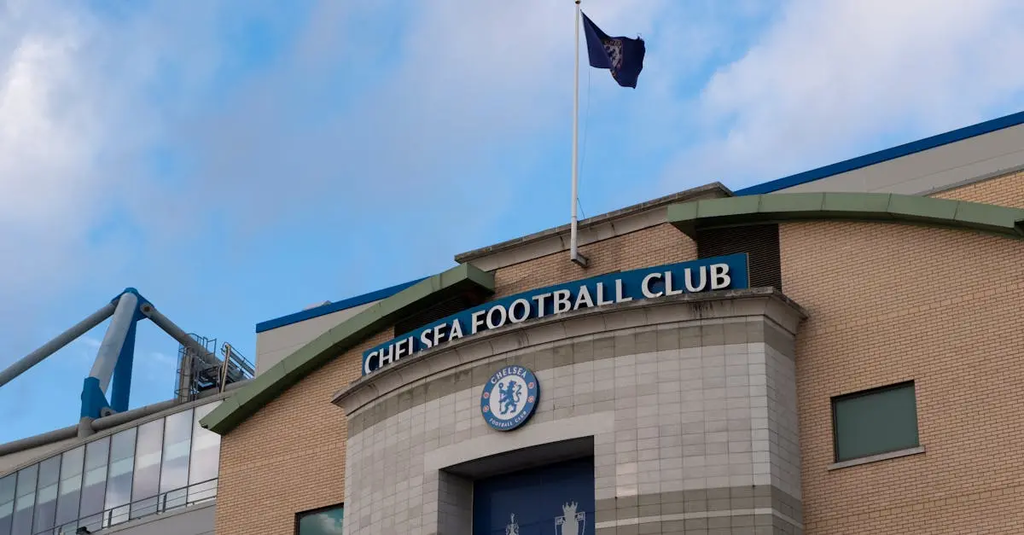
The 2012 Champions League run for Chelsea F.C. was a remarkable journey marked by resilience and dramatic moments. Despite managerial changes and being considered underdogs, Chelsea overcame Napoli, Benfica, and Barcelona in thrilling fashion, showcasing determination and defensive solidity. In the final against Bayern Munich in Munich, Chelsea equalized late through Didier Drogba and triumphed in a penalty shootout, securing their first-ever Champions League title and etching their name in football history.
2012 Champions League Run: Road to Munich
The 2012 Champions League run for Chelsea F.C. was a remarkable journey marked by resilience and dramatic moments. Despite managerial changes and being considered underdogs, Chelsea overcame Napoli, Benfica, and Barcelona in thrilling fashion, showcasing determination and defensive solidity. In the final against Bayern Munich in Munich, Chelsea equalized late through Didier Drogba and triumphed in a penalty shootout, securing their first-ever Champions League title and etching their name in football history.
💡 Key Takeaways
- Understand how the Champions League format takes teams from the group stage to knockout rounds and ultimately to the final.
- Learn how two-legged ties use aggregate scores and away goals to determine who advances.
- Identify turning points and key matches that commonly shape a team's road to a final.
- Recognize how hosting the final in Munich can affect preparation, tactics, and momentum for competing teams.
❓ Frequently Asked Questions
What does 'Road to Munich' refer to in this article?
It describes Bayern Munich's journey through the Champions League—group stage play and the knockout rounds—that led to the 2012 final in Munich.
How is the Champions League knockout stage structured?
After the group stage, the top two teams from each group enter two-legged rounds (Round of 16, quarterfinals, semifinals) played home and away, with aggregate scores deciding who advances.
Where and when was the 2012 final held, and who won?
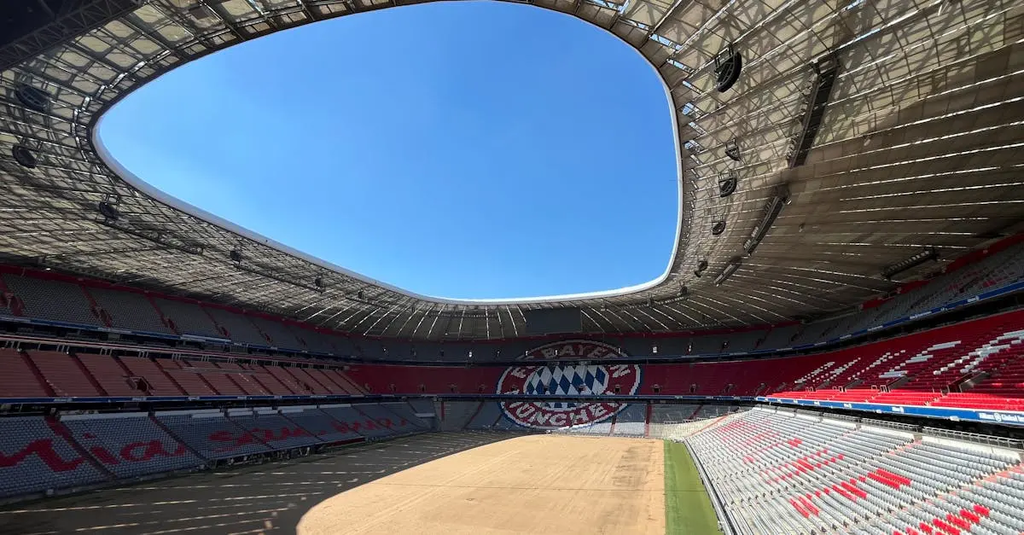
The final was on May 19, 2012 at the Allianz Arena in Munich. Chelsea won the match on penalties after a 1-1 draw.
What is an aggregate score and how does it work in two-legged ties?
An aggregate score sums the goals from both legs to determine the winner. If tied, tiebreakers like away goals, extra time, and penalties decide the winner.