The phrase "2025 Film Preservation, Restorations & Archives" refers to ongoing and upcoming efforts in 2025 to safeguard, restore, and maintain cinematic works. This includes the conservation of original film materials, digital restoration of damaged or aging footage, and systematic archiving to ensure long-term accessibility. Such initiatives are crucial for protecting film heritage, enabling future generations to study and enjoy important works, and preserving cultural history through cinema.
2025 Film Preservation, Restorations & Archives
The phrase "2025 Film Preservation, Restorations & Archives" refers to ongoing and upcoming efforts in 2025 to safeguard, restore, and maintain cinematic works. This includes the conservation of original film materials, digital restoration of damaged or aging footage, and systematic archiving to ensure long-term accessibility. Such initiatives are crucial for protecting film heritage, enabling future generations to study and enjoy important works, and preserving cultural history through cinema.
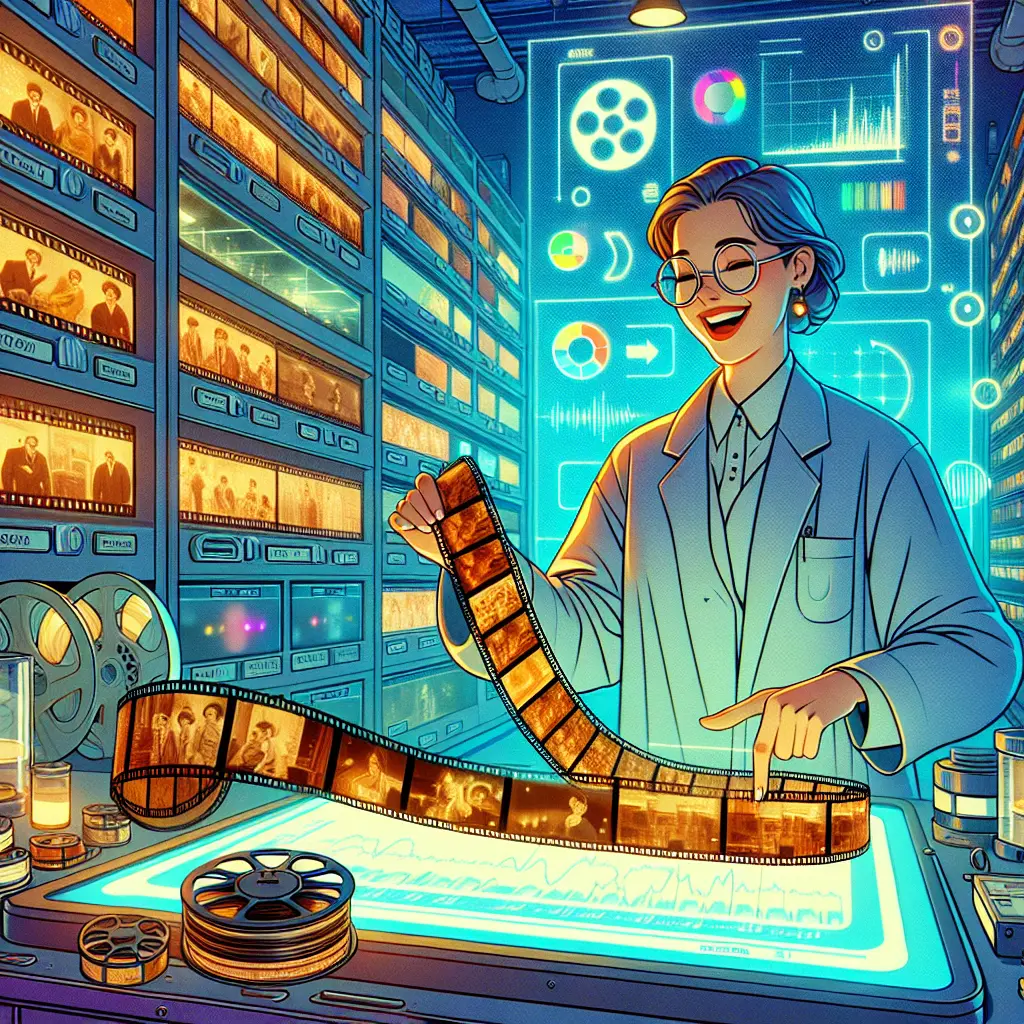
💡 Key Takeaways
- Distinguish physical film conservation, digital restoration, and archival management and why each matters.
- Learn core conservation practices for original film materials (storage, handling, climate control) to slow degradation.
- Understand digital restoration workflows (scanning, color correction, noise reduction) and how they revitalize aging footage while preserving authenticity.
- Recognize how systematic archiving and metadata standards enable long-term access and retrieval of preserved films.
❓ Frequently Asked Questions
What is the goal of 2025 film preservation efforts?
To safeguard cinema heritage in 2025 by conserving original materials, digitally restoring damaged footage, and building durable, accessible archives.
How do physical conservation and digital restoration differ?
Physical conservation stabilizes and preserves original film elements; digital restoration repairs and enhances images and sound using software, often creating access or preservation masters.
What does film archiving involve?
Organizing and cataloging film assets, applying metadata, and storing copies in climate-controlled facilities and durable formats to ensure long-term access.
What challenges do 2025 film preservation projects face?
Deterioration of film stock (nitrate/acetate), color fading, format obsolescence, licensing and rights, and funding; plus new tools like high-res scanning and AI-assisted restoration.