The phrase "2025 Real Estate, Housing & Urban Trends" refers to the anticipated developments and patterns in the real estate market, housing sector, and urban environments for the year 2025. It encompasses changes in property values, construction technologies, housing demand, urban planning, sustainability initiatives, and shifts in how people live and work within cities. These trends are shaped by economic, social, and technological factors influencing both residential and commercial real estate landscapes.
2025 Real Estate, Housing & Urban Trends
The phrase "2025 Real Estate, Housing & Urban Trends" refers to the anticipated developments and patterns in the real estate market, housing sector, and urban environments for the year 2025. It encompasses changes in property values, construction technologies, housing demand, urban planning, sustainability initiatives, and shifts in how people live and work within cities. These trends are shaped by economic, social, and technological factors influencing both residential and commercial real estate landscapes.
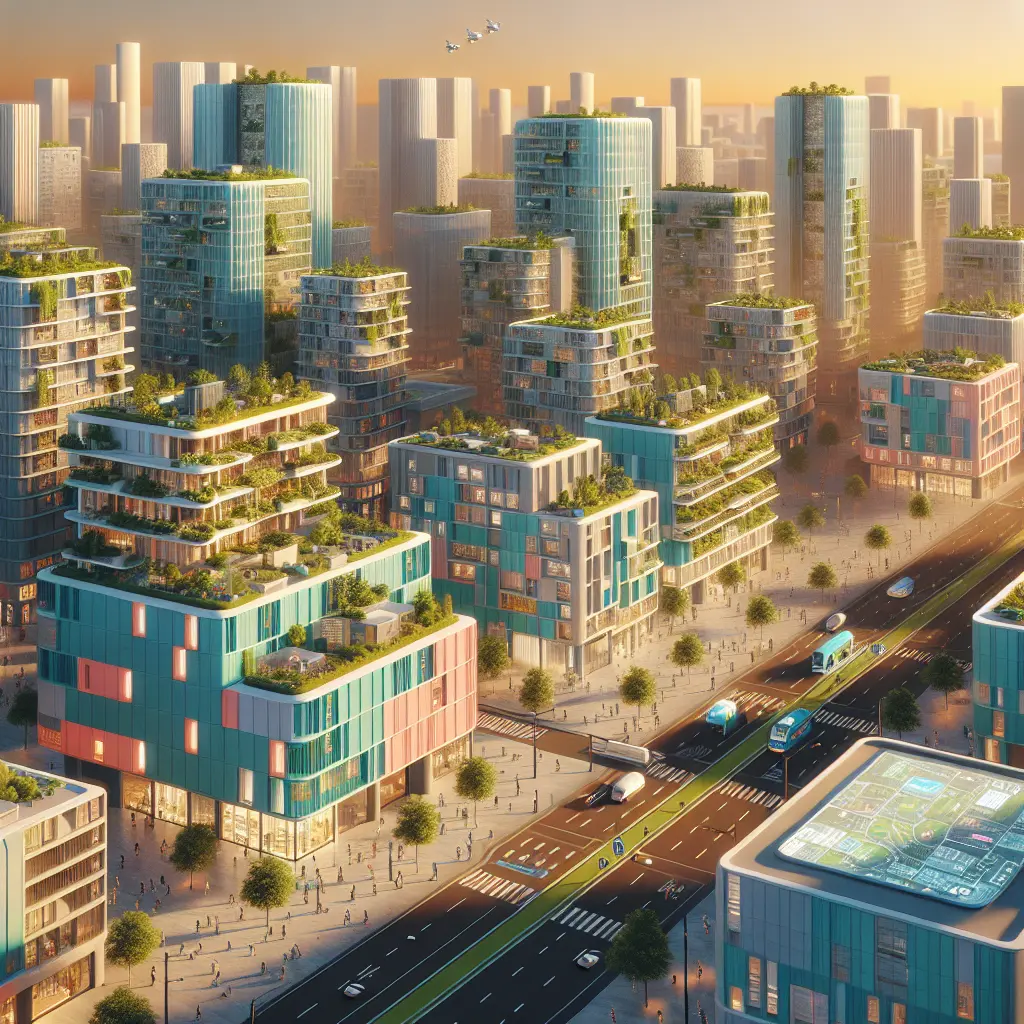
💡 Key Takeaways
- Identify the main drivers shaping property values in 2025 (rates, demand, and supply).
- Explore how new construction technologies such as modular, prefab, and 3D printing impact cost, speed, and sustainability.
- Analyze shifts in housing demand, including urban vs suburban trends, rental vs ownership, and affordability pressures.
- Explain urban planning trends in 2025, including transit-oriented development, mixed-use zoning, and green space.
- Evaluate sustainability and resilience in real estate, covering energy efficiency, green building standards, and climate risk considerations.
❓ Frequently Asked Questions
What does '2025 Real Estate, Housing & Urban Trends' refer to?
It highlights anticipated developments in property markets, housing demand, construction technologies, and urban planning for 2025.
Which factors are likely to influence property values in 2025?
Key drivers include interest rates, supply and demand, construction costs, inflation, zoning and density policies, and demographic shifts.
What construction technologies could shape housing in 2025?
Modular/prefab construction, offsite manufacturing, 3D printing, energy-efficient methods, and digital tools like BIM and digital twins.
What urban planning trends are expected in 2025?
Sustainability, transit-oriented and dense development, climate resilience, green infrastructure, affordable housing, and smart-city technologies.
How might housing demand evolve in 2025?
Demand will be influenced by demographics, affordability, mortgage rates, rental trends, and shifts among urban, suburban, and rural living.