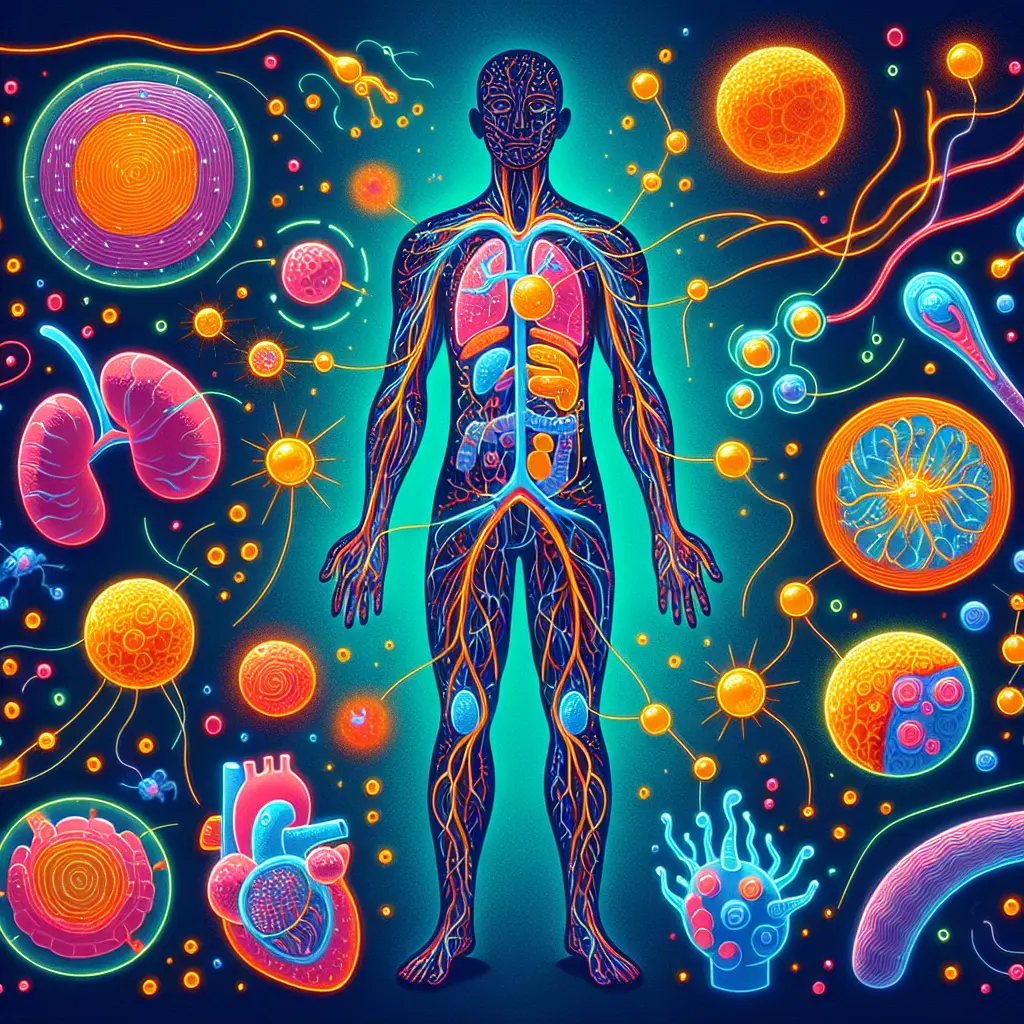
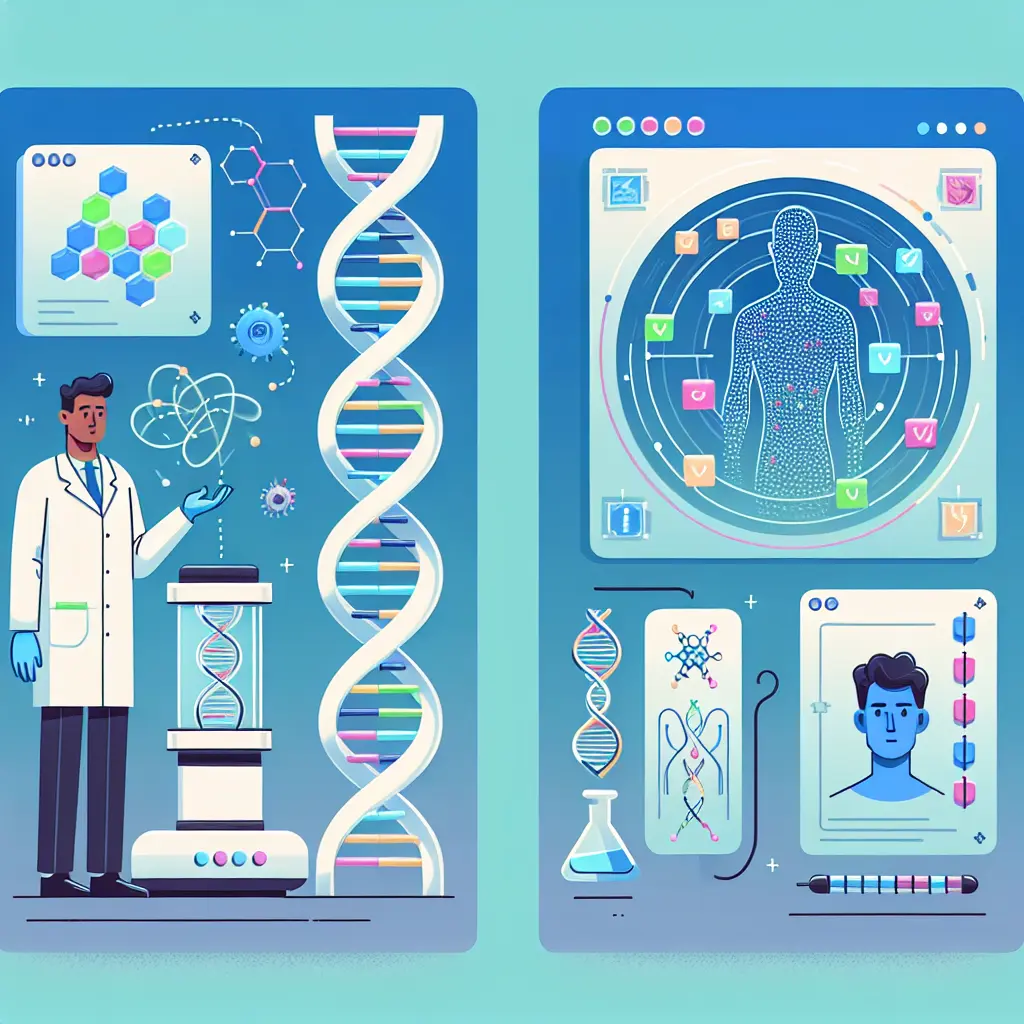
Advanced Infectious Disease Management refers to the comprehensive approach to preventing, diagnosing, treating, and controlling infectious diseases using the latest medical knowledge, technologies, and therapies. It involves rapid diagnostic techniques, targeted antimicrobial therapies, infection control protocols, and multidisciplinary care. This approach emphasizes personalized treatment, surveillance of emerging pathogens, antimicrobial stewardship, and public health strategies to minimize transmission, improve patient outcomes, and address challenges such as antibiotic resistance and global health threats.
Advanced Infectious Disease Management
Advanced Infectious Disease Management refers to the comprehensive approach to preventing, diagnosing, treating, and controlling infectious diseases using the latest medical knowledge, technologies, and therapies. It involves rapid diagnostic techniques, targeted antimicrobial therapies, infection control protocols, and multidisciplinary care. This approach emphasizes personalized treatment, surveillance of emerging pathogens, antimicrobial stewardship, and public health strategies to minimize transmission, improve patient outcomes, and address challenges such as antibiotic resistance and global health threats.

💡 Key Takeaways
- Identify the core components of advanced infectious disease management: prevention, diagnosis, treatment, and control.
- Explain how rapid diagnostic techniques guide timely, targeted antimicrobial therapy.
- Understand antimicrobial stewardship and its role in reducing resistance.
- Describe infection prevention and control measures in healthcare settings and outbreak response.
❓ Frequently Asked Questions
What is advanced infectious disease management?
A holistic approach that combines prevention, rapid diagnosis, effective treatment, and control of infections using modern diagnostics, therapies, and infection-control strategies.
Why are rapid diagnostic techniques important in managing infections?
They quickly identify the causative pathogens, enabling timely, targeted treatment and reducing transmission and complications.
What is antimicrobial stewardship and why does it matter?
A framework to optimize antimicrobial use—selecting the right drug, dose, and duration—to treat infections effectively while slowing resistance and minimizing side effects.
How do infection prevention and control measures help prevent outbreaks?
By applying practices like hand hygiene, isolation when needed, environmental cleaning, vaccination, and surveillance to reduce transmission in healthcare and community settings.