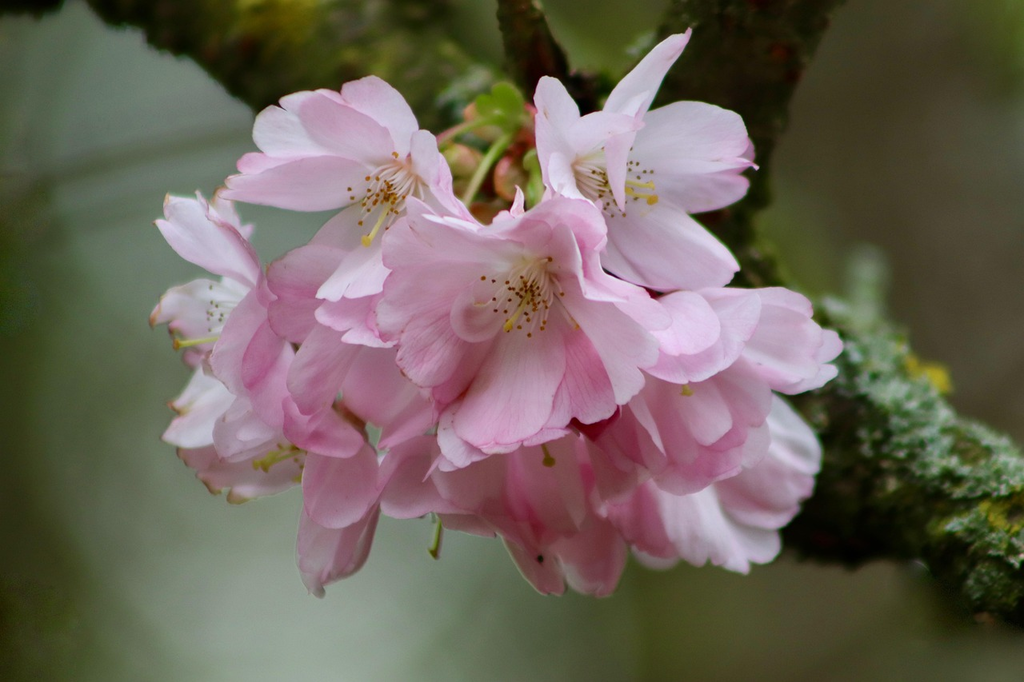
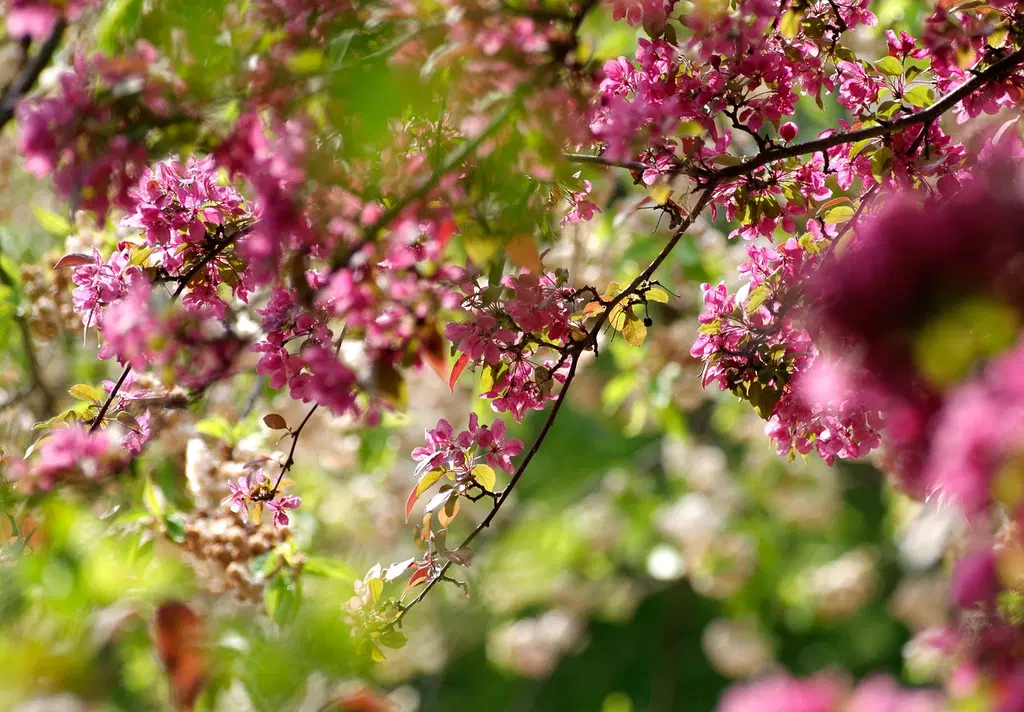
Advanced pest control in orange orchards involves using integrated pest management techniques, such as biological controls, pheromone traps, and targeted pesticides, to effectively manage pests while minimizing environmental impact. These methods help maintain the freshness and quality of fruits like oranges and cherries by reducing pest-related damage and disease. Regular monitoring and precise application ensure healthier orchards, higher yields, and safer, fresher produce for consumers.
Advanced Pest Control in Orange Orchards
Advanced pest control in orange orchards involves using integrated pest management techniques, such as biological controls, pheromone traps, and targeted pesticides, to effectively manage pests while minimizing environmental impact. These methods help maintain the freshness and quality of fruits like oranges and cherries by reducing pest-related damage and disease. Regular monitoring and precise application ensure healthier orchards, higher yields, and safer, fresher produce for consumers.
💡 Key Takeaways
- Identify the major pests in orange orchards (e.g., Asian citrus psyllid, citrus leafminer) and recognize common damage signs.
- Explain basic Integrated Pest Management (IPM) principles and how to combine cultural, biological, and chemical controls.
- Use monitoring tools and thresholds (scout methods, sticky traps, pheromone traps) to time interventions effectively.
- Describe safe pesticide practices and resistance management to protect fruit quality and the ecosystem.
❓ Frequently Asked Questions
What is integrated pest management (IPM) in orange orchards?
IPM is a decision-based approach that uses monitoring, economic thresholds, and a mix of cultural, biological, and targeted chemical controls to manage pests while minimizing environmental impact.
What is the Asian citrus psyllid and why is it important in orange orchards?
The Asian citrus psyllid is a small sap-sucking insect that vectors the bacterium causing Huanglongbing (HLB). It threatens orchard health, so early detection and suppression are crucial.
What biological controls help manage citrus pests?
Biological controls include natural enemies like parasitoid wasps (e.g., Tamarixia radiata for ACP) and predatory insects that keep pest populations in check, often reducing the need for chemicals.
Which cultural practices reduce pest pressure in orange orchards?
Practices include sanitation (removing fallen fruit and diseased wood), weed management, proper pruning for airflow, and reducing tree stress through proper irrigation.
How should pesticide applications be planned in an advanced citrus pest program?
Applications should follow monitoring data and economic thresholds, rotate modes of action to prevent resistance, and target sprays to minimize impact on beneficials.