AI-Driven Art & Creativity Debates refer to ongoing discussions about the role of artificial intelligence in generating art and creative works. These debates address questions of authorship, originality, and the value of AI-created pieces compared to human-made art. They also explore ethical concerns, the impact on traditional artists, and how AI tools may redefine creativity, challenging established notions of artistic expression and cultural significance in the digital age.
AI-Driven Art & Creativity Debates
AI-Driven Art & Creativity Debates refer to ongoing discussions about the role of artificial intelligence in generating art and creative works. These debates address questions of authorship, originality, and the value of AI-created pieces compared to human-made art. They also explore ethical concerns, the impact on traditional artists, and how AI tools may redefine creativity, challenging established notions of artistic expression and cultural significance in the digital age.
💡 Key Takeaways
- Understand authorship and copyright implications for AI-generated art and who owns AI-created works.
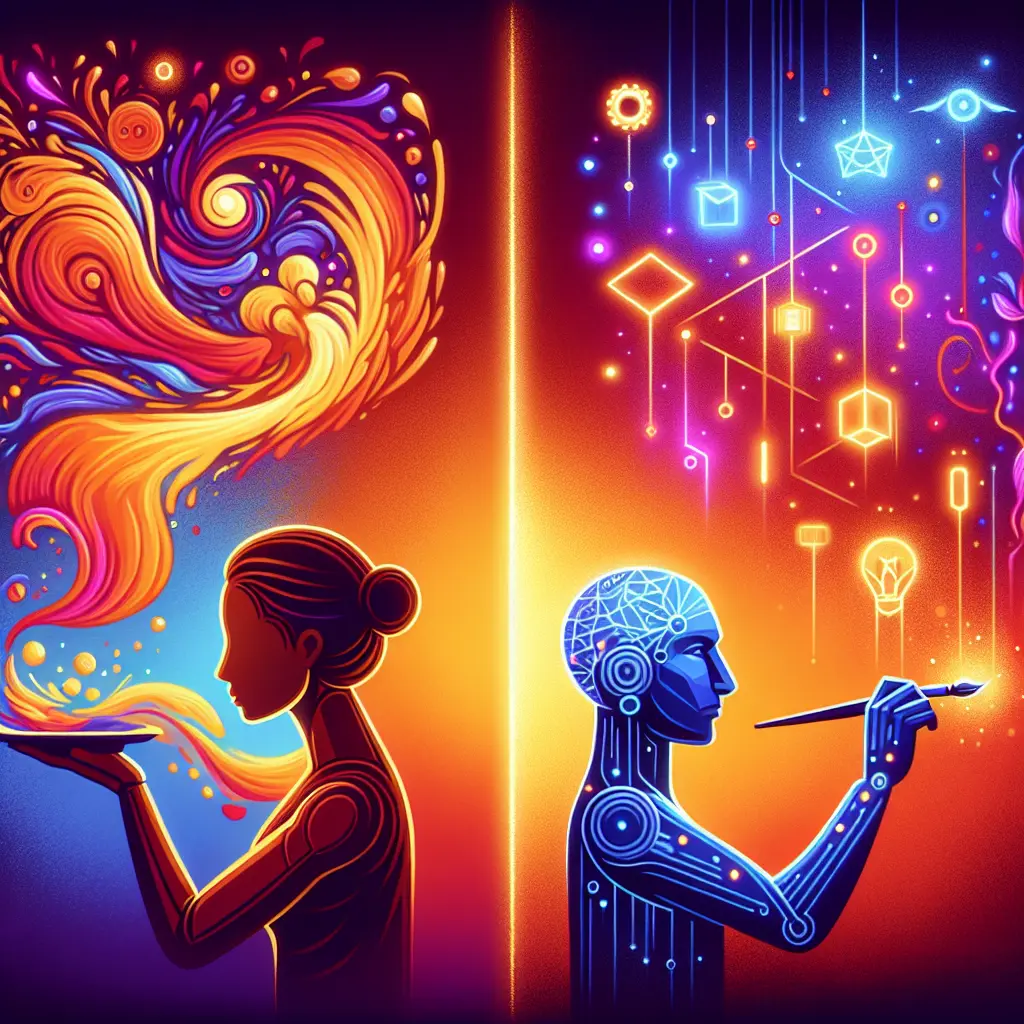
- Define originality in AI-generated art and how it compares to human creativity.
- Evaluate the value and cultural impact of AI-created art versus human-made works in markets and galleries.
- Consider ethical concerns such as data provenance, bias, consent, and effects on artists in a sci-fi cyber future.
❓ Frequently Asked Questions
What is AI-driven art?
Art created with artificial intelligence tools (e.g., neural networks or diffusion models) that generate or assist in producing images, music, or text by learning patterns from large datasets.
Who owns AI-generated artwork—the artist, the programmer, or the AI?
Ownership varies by law and contract. Often the human who guided the process or commissioned the work holds rights, while some agreements treat the AI as a tool; ongoing debates consider joint or new forms of authorship.
Is AI art truly original?
AI can produce novel outputs, but it typically borrows patterns from its training data. Originality depends on how the human creator guides the tool and how unique the result appears.
What ethical concerns surround AI art?
Issues include data sourcing and consent for training data, potential copyright infringement, transparency about AI involvement, and the impact on artists' livelihoods.