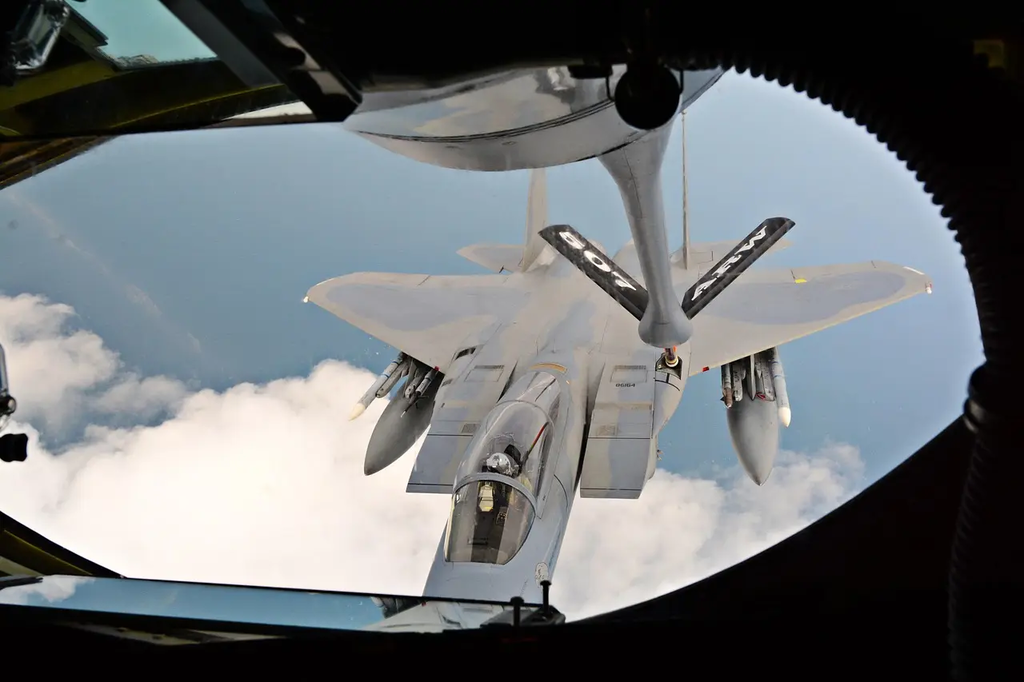
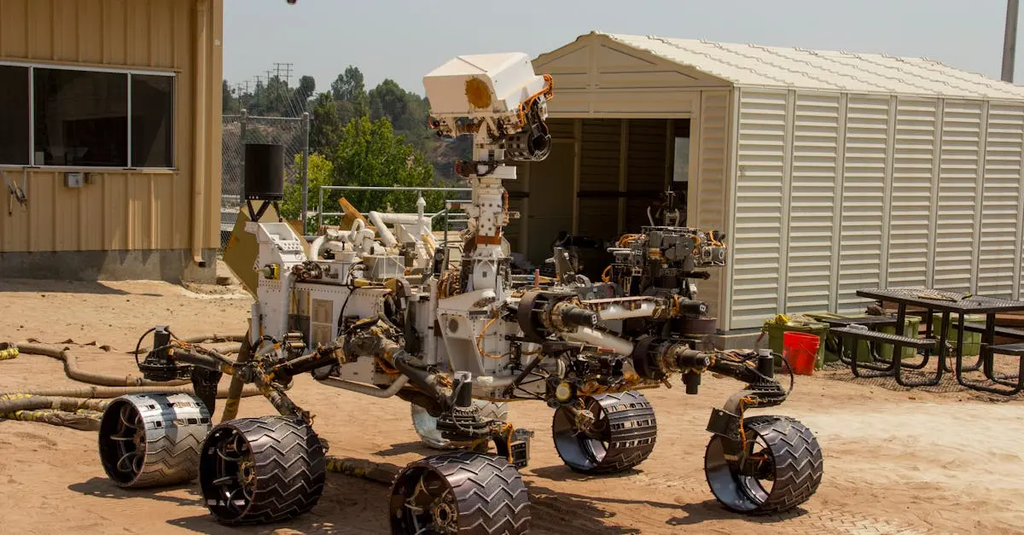
In early spaceflight, the Air Force and NASA played distinct yet overlapping roles. The Air Force focused on military applications, developing technologies for reconnaissance and defense, and piloting early space missions like the X-15 program. NASA, a civilian agency, was established to lead peaceful space exploration, spearheading projects like Mercury, Gemini, and Apollo. Their collaboration and competition shaped America’s approach to space, blending military expertise with scientific exploration.
Air Force vs. NASA: Roles in Early Spaceflight+50
In early spaceflight, the Air Force and NASA played distinct yet overlapping roles. The Air Force focused on military applications, developing technologies for reconnaissance and defense, and piloting early space missions like the X-15 program. NASA, a civilian agency, was established to lead peaceful space exploration, spearheading projects like Mercury, Gemini, and Apollo. Their collaboration and competition shaped America’s approach to space, blending military expertise with scientific exploration.

💡 Key Takeaways
- Understand how the Air Force focused on military applications and piloted early space missions like the X-15.
- Learn that NASA was created as a civilian agency to lead peaceful space exploration and related research.
- See how early spaceflight involved overlap and collaboration between military and civilian programs.
- Recognize how the military and civilian roles shaped funding, priorities, and the direction of space technology.
❓ Frequently Asked Questions
What roles did the Air Force play in early spaceflight?
The Air Force developed military-focused space technology, pursued reconnaissance and defense capabilities, and conducted piloted tests such as the X-15.
What is NASA, and why was it established?
NASA is a civilian space agency created in 1958 to lead peaceful space exploration and civilian scientific research.
What is an example of collaboration between the Air Force and NASA in early spaceflight?
The X-15 program was a joint effort by the USAF and NASA (then NACA), combining military flight testing with spaceflight research.
How do the roles of the Air Force and NASA differ in early spaceflight?
The Air Force focused on military applications, defense tech, and reconnaissance, while NASA prioritized peaceful, civilian exploration and scientific discovery.