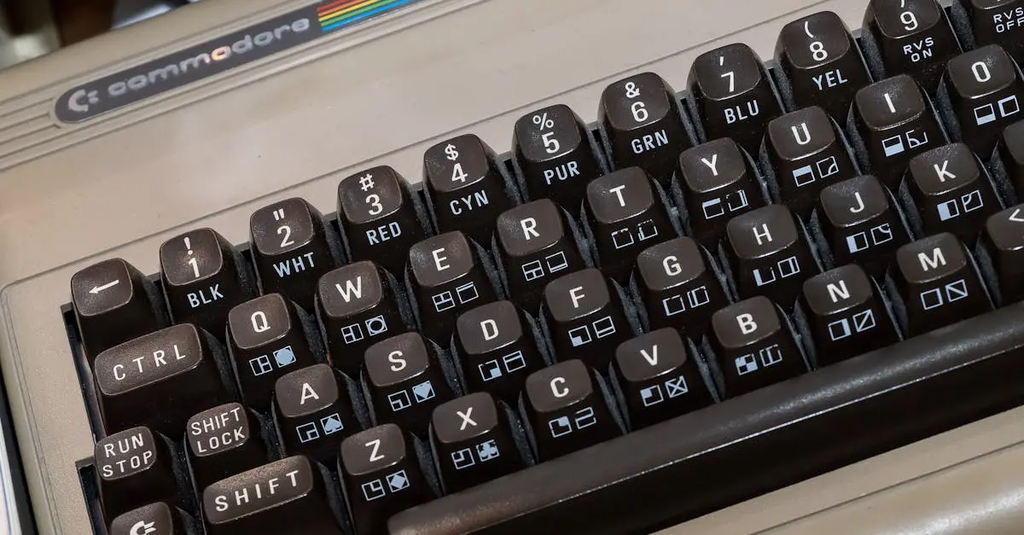
"Amiga & Commodore 64 Legends" refers to the iconic status of the Amiga and Commodore 64 computers in computing history. Both systems, produced by Commodore, were groundbreaking in the 1980s and early 1990s, known for their advanced graphics, sound capabilities, and large libraries of influential games and software. They inspired a generation of programmers, gamers, and digital artists, earning legendary reputations among retro computing and gaming enthusiasts worldwide.
Amiga & Commodore 64 Legends
"Amiga & Commodore 64 Legends" refers to the iconic status of the Amiga and Commodore 64 computers in computing history. Both systems, produced by Commodore, were groundbreaking in the 1980s and early 1990s, known for their advanced graphics, sound capabilities, and large libraries of influential games and software. They inspired a generation of programmers, gamers, and digital artists, earning legendary reputations among retro computing and gaming enthusiasts worldwide.
💡 Key Takeaways
- Understand why Amiga and Commodore 64 were pivotal for graphics and sound in 1980s–1990s home computing.
- Compare hardware features: Amiga's custom chips and multitasking capabilities versus the C64's SID sound chip and raster graphics, and how they shaped game design.
- Identify landmark games and developers that defined these platforms and their lasting influence on retro gaming.
- Explore how these systems fostered software libraries, demos, and a broader computing culture that influenced later generations.
❓ Frequently Asked Questions
What were the Amiga and Commodore 64, and when did they release?
They were iconic home computers from Commodore. The Commodore 64 arrived in 1982 and became one of the best-selling personal computers; the Amiga line began with the Amiga 1000 in 1985 and was renowned for multimedia capabilities.
What features made their graphics and sound stand out?
Both used advanced custom chipsets that enabled colorful graphics and rich, stereo sound for their time. The C64 had the SID sound chip; the Amiga featured a powerful graphics/sound chipset and versatile audio/video capabilities.
Why are Amiga and C64 considered legends in gaming history?
They offered huge game libraries, accessible hardware, and influenced later game design and multimedia computing, leaving a lasting impact on players and developers.
How do the Amiga and C64 differ in hardware and typical uses?
The C64 is a classic 8‑bit machine with distinctive sound (SID) and strong gaming/education use. The Amiga is a more powerful 16/32‑bit system with advanced graphics and audio, suited for multimedia work and more complex games.