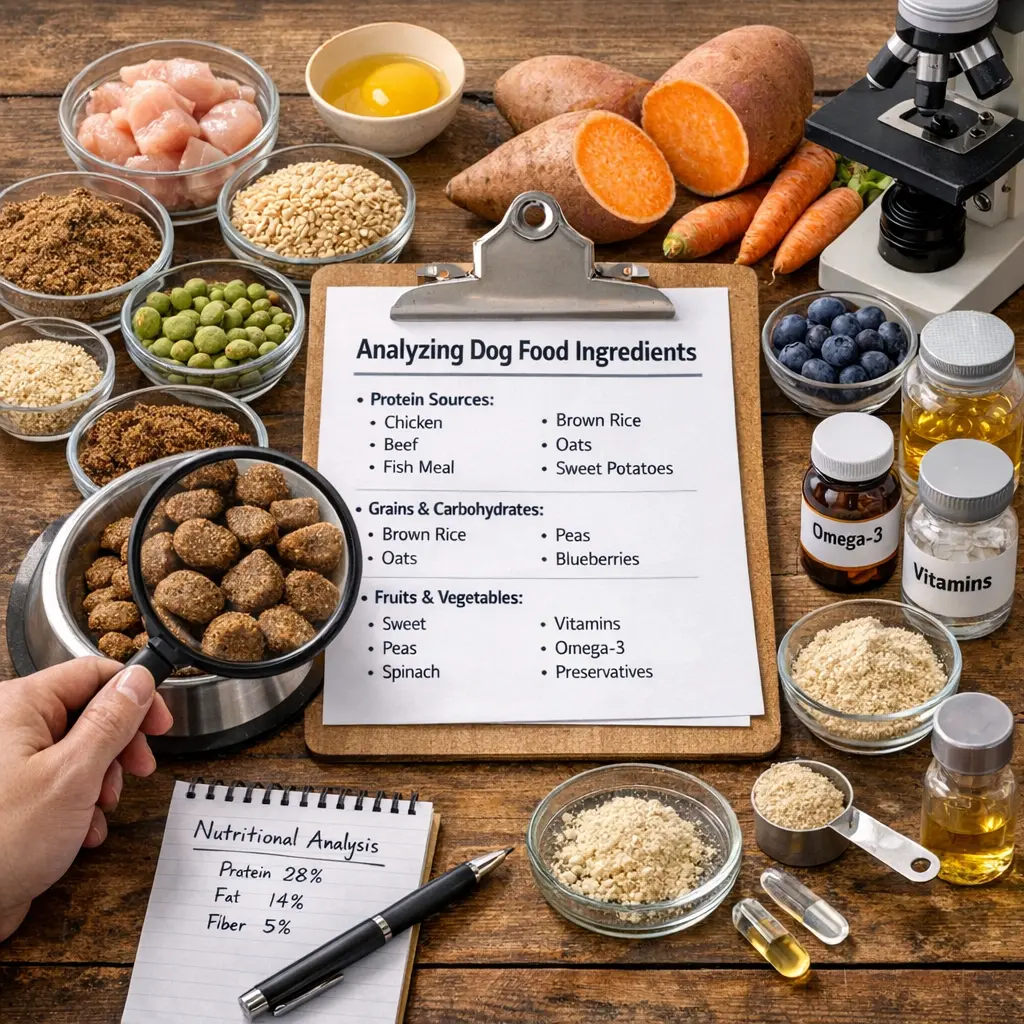
Analyzing dog food ingredients involves carefully examining the components that make up your dog’s diet. This process helps ensure your pet receives balanced nutrition, including essential proteins, fats, carbohydrates, vitamins, and minerals. By understanding ingredient lists, owners can identify high-quality foods, avoid harmful additives or fillers, and cater to specific dietary needs or allergies. Ultimately, it supports your dog’s overall health, energy, and longevity.
Analyzing Dog Food Ingredients
Analyzing dog food ingredients involves carefully examining the components that make up your dog’s diet. This process helps ensure your pet receives balanced nutrition, including essential proteins, fats, carbohydrates, vitamins, and minerals. By understanding ingredient lists, owners can identify high-quality foods, avoid harmful additives or fillers, and cater to specific dietary needs or allergies. Ultimately, it supports your dog’s overall health, energy, and longevity.
💡 Key Takeaways
- Identify common dog food ingredients and what they mean for nutrition
- Differentiate protein sources from fillers and byproducts
- Read ingredient lists and labels to assess quality and suitability
- Understand how processing, preservatives, and additives impact health
- Compare foods against established guidelines (e.g., AAFCO) to choose a balanced option
❓ Frequently Asked Questions
What does 'protein' indicate on a dog food label, and why is it important?
Protein shows the minimum amount of protein in the recipe. It provides amino acids for muscles, skin, and enzymes. Look for high-quality, named animal proteins as the main ingredients and a protein percentage appropriate for your dog's life stage.
What is the 'guaranteed analysis' and what doesn't it tell you?
It lists minimum crude protein and fat (and sometimes fiber and moisture). It doesn't reveal digestibility, ingredient quality, or how well your dog uses the nutrients.
What are 'by-products' in dog food, and should you avoid them?
By-products are secondary animal parts. Some are nutritious (like liver or organs); others vary in quality. Prefer foods that use clearly named meat ingredients over vague 'by-products' unless you know the source.
How do dry and wet dog foods differ in ingredients and nutrition?
Ingredient quality can be similar, but the main difference is moisture content (dry ~10% moisture; wet much higher). Choose based on your dog's preferences, dental needs, and budget, ensuring protein and fat meet life-stage requirements.
What does an AAFCO statement on the label mean?
It indicates the product meets minimum nutrient guidelines for a specific life stage. It doesn't guarantee optimal nutrition—select a product aligned with your dog's age, size, and health.