Anatomy for Artists refers to the study of the human body’s structure, focusing on bones, muscles, and proportions to help artists accurately depict the figure in their work. This knowledge enables artists to render realistic poses, movement, and expressions, whether drawing, painting, or sculpting. Understanding anatomy enhances an artist’s ability to create lifelike and dynamic representations, making their artwork more convincing and expressive.
Anatomy for Artists
Anatomy for Artists refers to the study of the human body’s structure, focusing on bones, muscles, and proportions to help artists accurately depict the figure in their work. This knowledge enables artists to render realistic poses, movement, and expressions, whether drawing, painting, or sculpting. Understanding anatomy enhances an artist’s ability to create lifelike and dynamic representations, making their artwork more convincing and expressive.
💡 Key Takeaways
- Identify the major bones and muscle groups to guide figure drawing.
- Learn human proportions and reference lines to render accurate poses.
- Translate anatomy into movement, weight, and expression for realism.
- Apply anatomy knowledge across drawing, painting, and sculpture.
❓ Frequently Asked Questions
What is anatomy for artists?
Anatomy for artists is the study of the human body's structure—bones, muscles, and proportions—to help you accurately depict the figure in drawings, paintings, or sculpture.
Why are proportions important in figure drawing?
Proportions establish correct size relationships between body parts (head, torso, limbs), creating believable figures and helping you capture pose and movement.
Which bone landmarks should artists know for the figure?
Key landmarks include the skull, rib cage, pelvis, shoulder girdle (clavicles/scapulae), and major limb bones (humerus, radius, ulna, femur, tibia, fibula); joints like elbows, knees, and ankles guide placement.
How do muscles influence form in drawing?
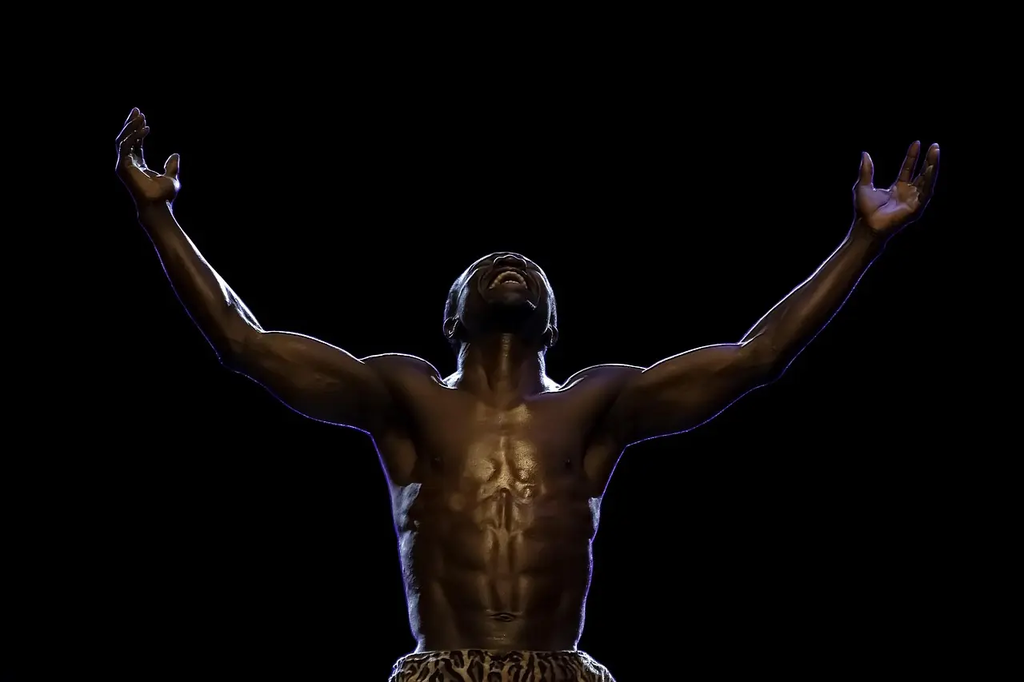
Muscles shape volume and surface planes; knowing major groups (deltoids, pectorals, abdominals, biceps, triceps, glutes, quadriceps, hamstrings) helps you render weight, tension, and movement.