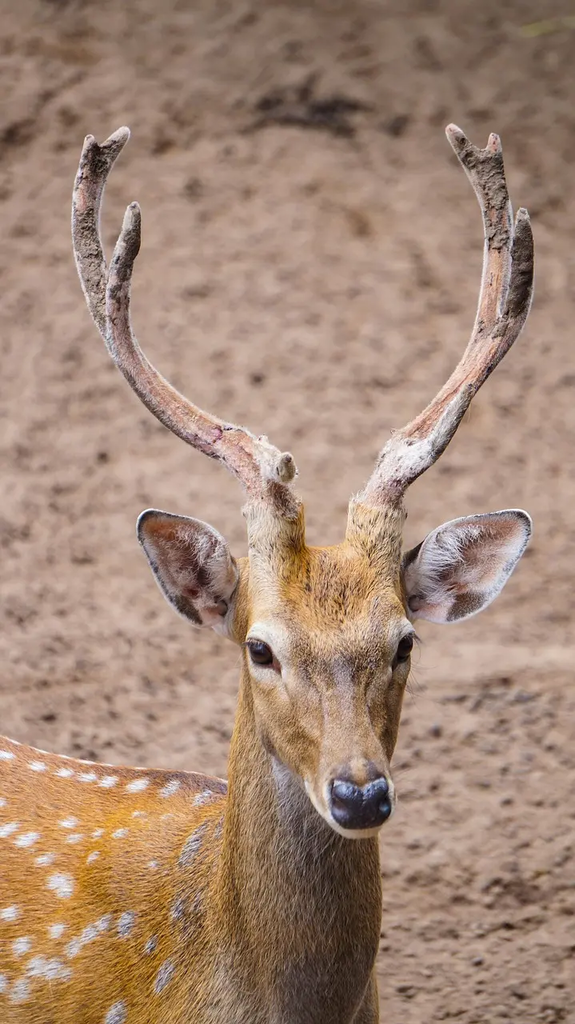
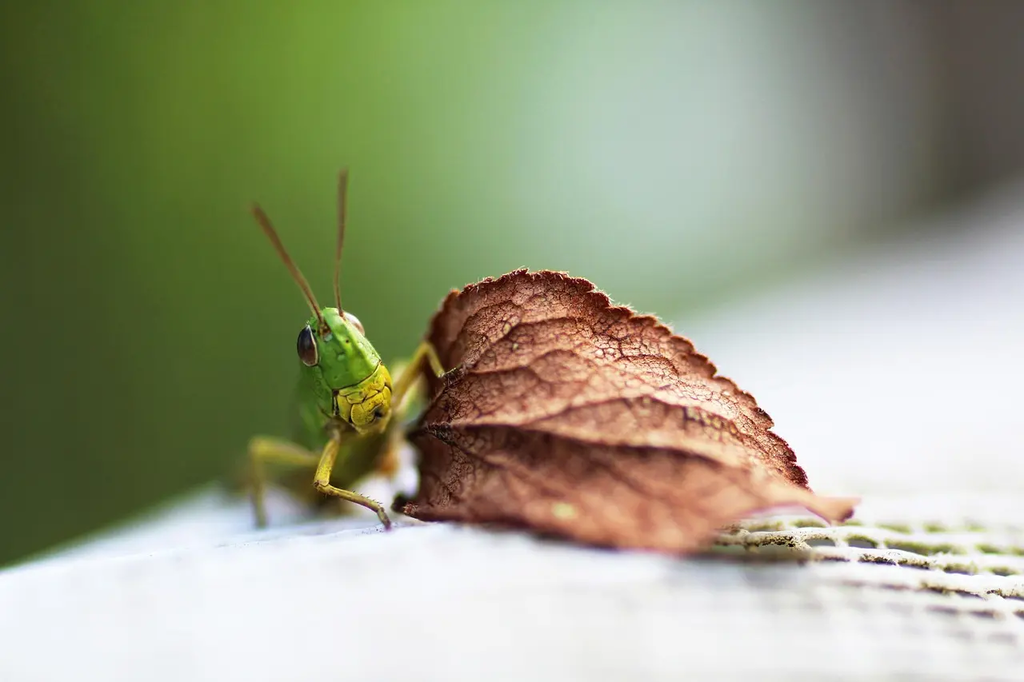
Animal adaptations are special characteristics or behaviors that help animals survive and thrive in their environments. These adaptations can be physical, like thick fur for warmth or webbed feet for swimming, or behavioral, such as migration or nocturnal activity. In the animal kingdom, adaptations have evolved over time, allowing species to find food, escape predators, reproduce, and cope with changing climates, ensuring their continued existence in diverse habitats.
Animal Adaptations
Animal adaptations are special characteristics or behaviors that help animals survive and thrive in their environments. These adaptations can be physical, like thick fur for warmth or webbed feet for swimming, or behavioral, such as migration or nocturnal activity. In the animal kingdom, adaptations have evolved over time, allowing species to find food, escape predators, reproduce, and cope with changing climates, ensuring their continued existence in diverse habitats.
💡 Key Takeaways
- Define what an animal adaptation is and why it helps organisms survive in their environment.
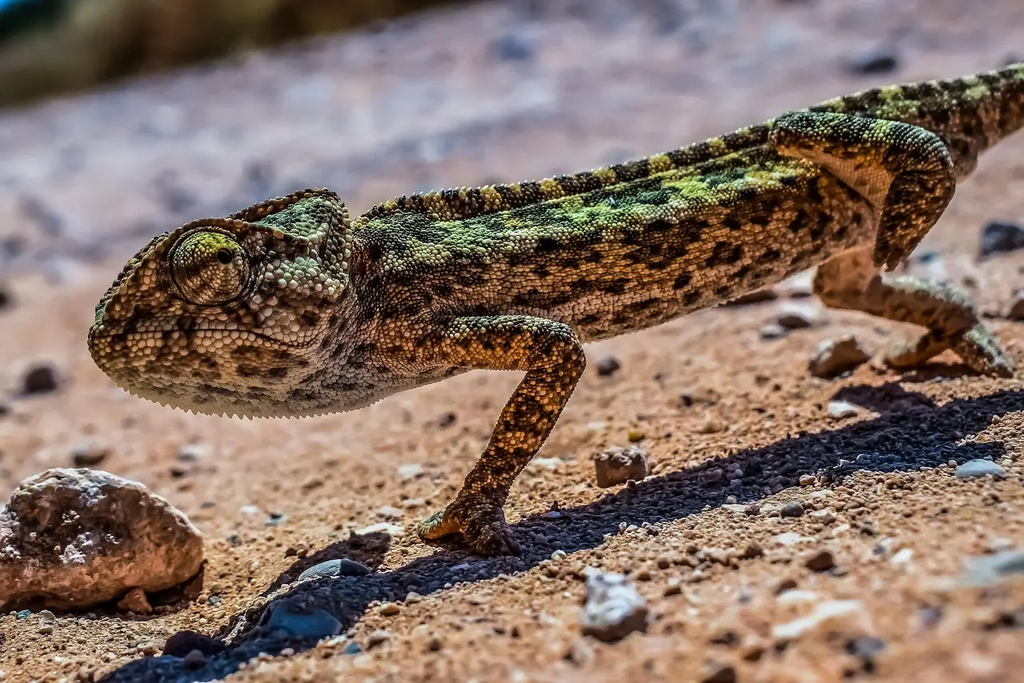
- Identify examples of physical adaptations (e.g., camouflage, mimicry, specialized body parts) that aid in finding food, avoiding predators, or conserving resources.
- Describe behavioral adaptations (e.g., migration, hibernation, nocturnal activity) and how they improve survival.
- Explain how adaptations arise through natural selection and environmental pressures over time.
❓ Frequently Asked Questions
What is an animal adaptation?
A trait that helps an animal survive or reproduce in its environment; it can be structural, physiological, or behavioral.
What is camouflage and how does it help?
A structural adaptation that lets an animal blend into its surroundings, reducing detection by predators or prey.
What is a behavioral adaptation? Can you give examples?
An action animals take to survive, such as migrating, hibernating, or being active at night.
What is a physiological adaptation? Give an example.
An internal process that aids survival, e.g., desert animals concentrating urine to conserve water or fish with antifreeze proteins in cold waters.