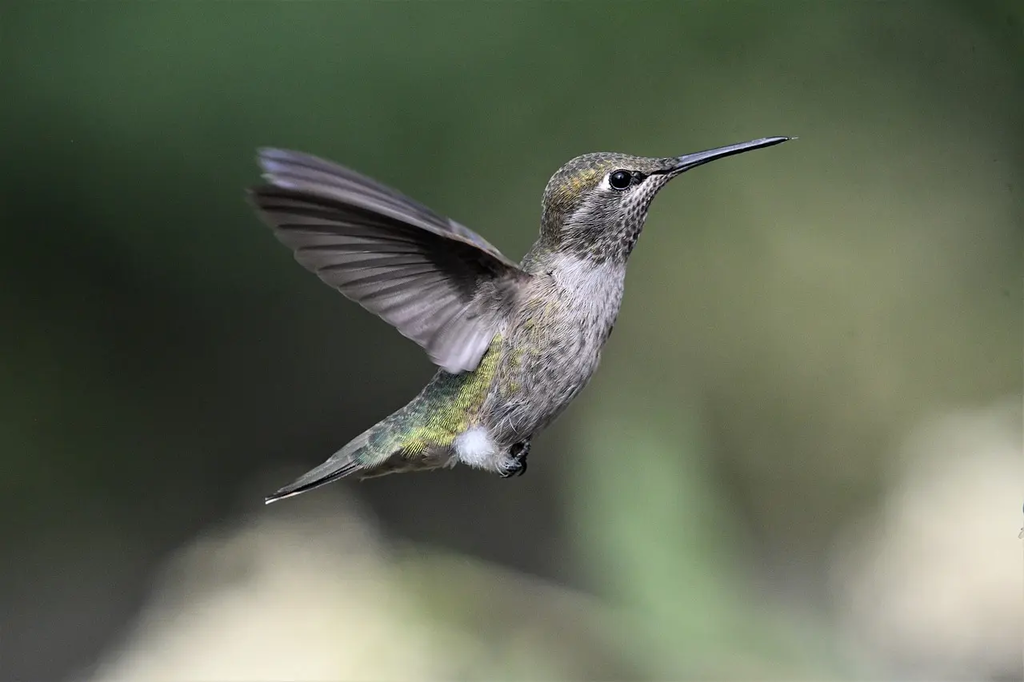
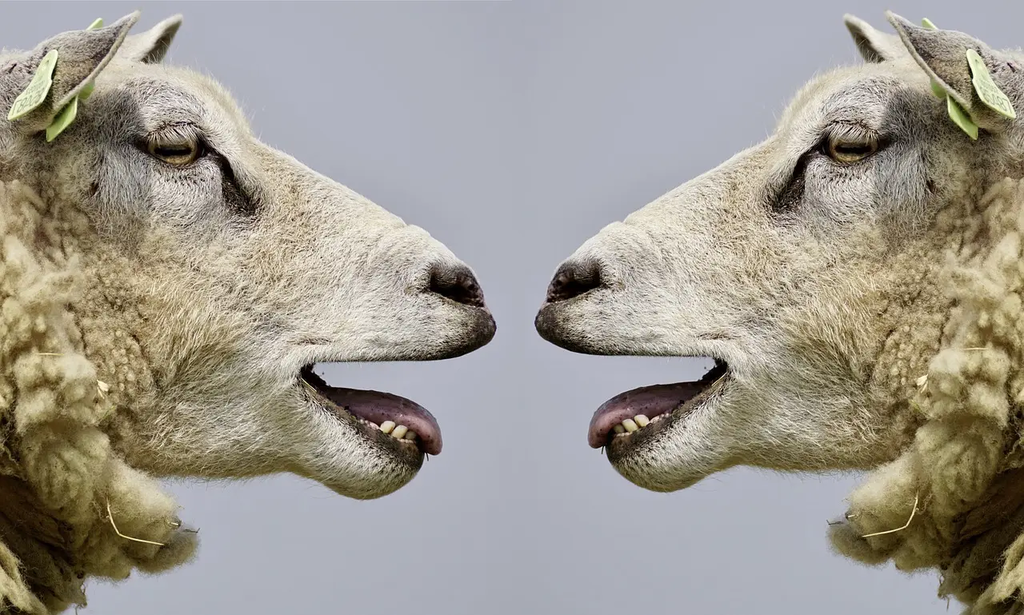
Animal Behavioral Ecology explores how animals interact with their environment and each other, revealing fascinating survival strategies and social behaviors. By studying these patterns, scientists uncover the secrets behind migration, communication, mating rituals, and hunting techniques. Fun facts from this field highlight nature’s ingenuity, such as birds using tools, dolphins cooperating to catch fish, or insects mimicking leaves for camouflage. These insights showcase the remarkable adaptability and intelligence found throughout the animal kingdom.
Animal Behavioral Ecology
Animal Behavioral Ecology explores how animals interact with their environment and each other, revealing fascinating survival strategies and social behaviors. By studying these patterns, scientists uncover the secrets behind migration, communication, mating rituals, and hunting techniques. Fun facts from this field highlight nature’s ingenuity, such as birds using tools, dolphins cooperating to catch fish, or insects mimicking leaves for camouflage. These insights showcase the remarkable adaptability and intelligence found throughout the animal kingdom.
💡 Key Takeaways
- Understand how ecological context shapes animal behavior and fitness.
- Identify common behavioral strategies for foraging, mating, and parental care.
- Explain proximate versus ultimate causes of behavior.
- Describe methods used to study animal behavior in the field and in the lab.
❓ Frequently Asked Questions
What is animal behavioral ecology?
The study of how behavior evolves to help animals survive and reproduce in their environment, linking ecology and evolution and considering both proximate and ultimate causes.
What is optimal foraging theory?
A framework that predicts how animals choose foods to maximize net energy gain per unit time, balancing energy, time, effort, and predation risk.
How do animals communicate and why is it important?
Animals use signals (visual, vocal, chemical, tactile) to attract mates, deter rivals, coordinate foraging, and warn of danger; signals are favored when they reliably benefit the sender and receiver.
What is social learning and culture in animals?
Learning from others (imitation, instruction) that can create persistent behavioral traditions, shaping how groups solve problems and adapt to their environment.