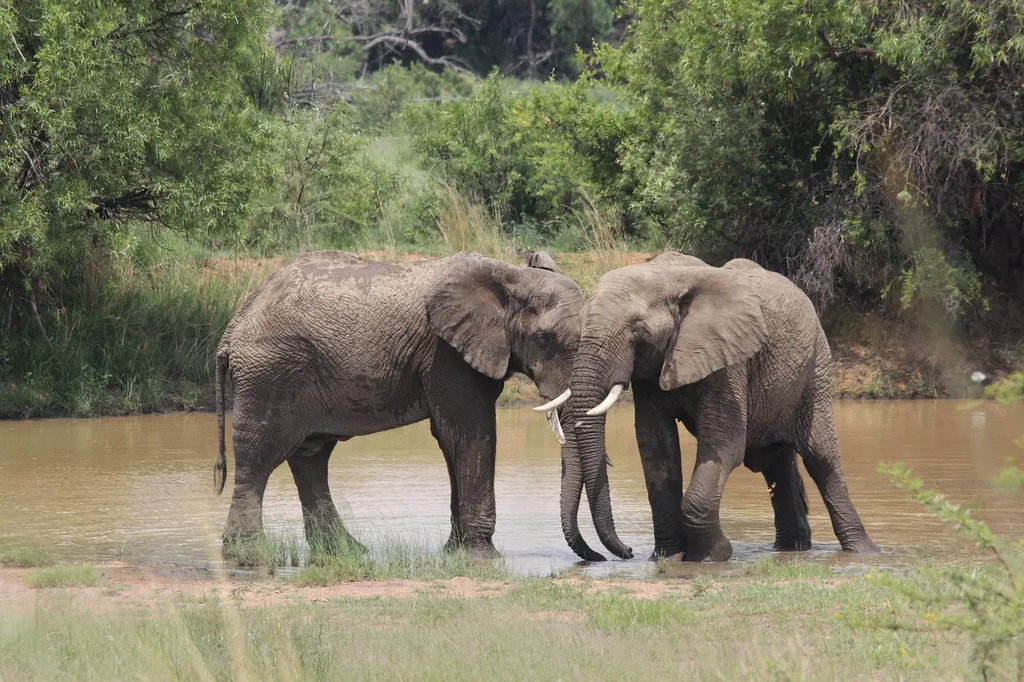
Animal Bioinformatics (Animal Fun Facts: Nature's Wildest Secrets) explores how scientists use computational tools to analyze animal genetics, behavior, and evolution. By decoding DNA and studying biological data, researchers uncover fascinating secrets about animal adaptation, communication, and survival strategies. This field reveals surprising facts, such as why certain animals have unique abilities or how they evolved remarkable traits, offering a deeper understanding of nature’s diversity and the hidden wonders of the animal kingdom.
Animal Bioinformatics
Animal Bioinformatics (Animal Fun Facts: Nature's Wildest Secrets) explores how scientists use computational tools to analyze animal genetics, behavior, and evolution. By decoding DNA and studying biological data, researchers uncover fascinating secrets about animal adaptation, communication, and survival strategies. This field reveals surprising facts, such as why certain animals have unique abilities or how they evolved remarkable traits, offering a deeper understanding of nature’s diversity and the hidden wonders of the animal kingdom.

💡 Key Takeaways
- Understand the core concepts of animal bioinformatics and its applications (genomics, transcriptomics, proteomics).
- Learn how to retrieve, preprocess, and analyze animal sequencing data using common tools and databases.
- Interpret results such as gene annotations, phylogenetic trees, and expression profiles in animals.
- Recognize data quality, reproducibility, and ethical considerations in animal genomics research.
❓ Frequently Asked Questions
What is animal bioinformatics?
A field that applies computational methods to study animal biology, using genomic, transcriptomic, proteomic and other data to understand genes, variation, evolution and function.
What types of data do researchers analyze in animal bioinformatics?
DNA/RNA sequences, gene expression profiles, protein sequences, genome annotations, and genetic variants across animal species.
What are common tools or approaches used in animal bioinformatics?
Sequence alignment and assembly (e.g., BLAST, BWA), genome annotation, phylogenetics, comparative genomics, and functional enrichment analyses.
Why are phylogenetics and comparative genomics important?
They reveal evolutionary relationships, identify conserved genes, and help transfer functional insights across related species.