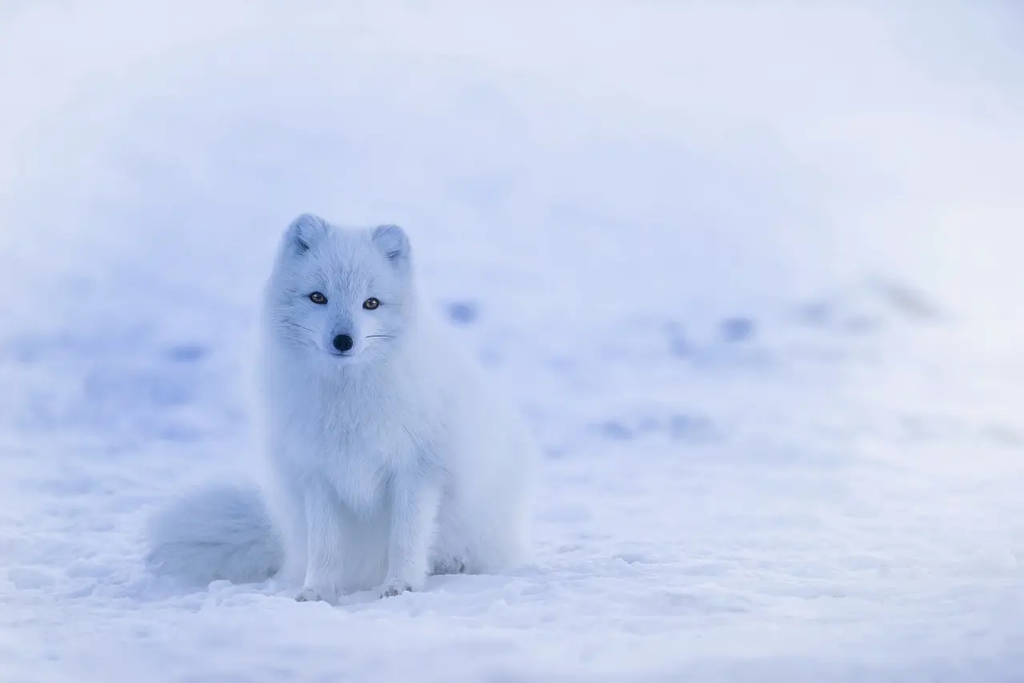
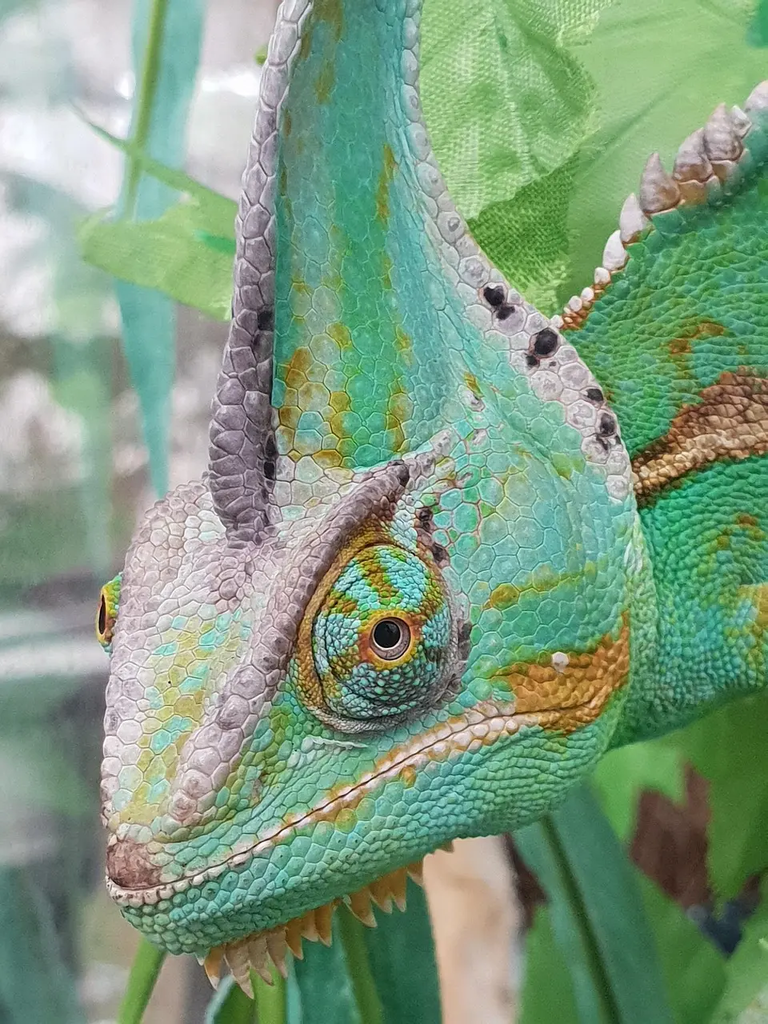
Unique animal adaptations are special features or behaviors that help animals survive in their environments. From the chameleon's color-changing skin for camouflage to the giraffe's long neck for reaching high leaves, these adaptations are nature’s clever solutions to challenges. Some animals, like the arctic fox, grow thick fur for warmth, while others, like the electric eel, use electricity to hunt. These fascinating traits reveal nature’s creativity and diversity.
Unique Animal Adaptations
Unique animal adaptations are special features or behaviors that help animals survive in their environments. From the chameleon's color-changing skin for camouflage to the giraffe's long neck for reaching high leaves, these adaptations are nature’s clever solutions to challenges. Some animals, like the arctic fox, grow thick fur for warmth, while others, like the electric eel, use electricity to hunt. These fascinating traits reveal nature’s creativity and diversity.
💡 Key Takeaways
- Identify how camouflage and coloration help animals hide from predators or ambush prey.
- Describe unique physical adaptations, such as specialized beaks, claws, or limbs, that suit a species' diet and habitat.
- Explain behavioral strategies like migration, hibernation, or nocturnal activity that boost survival in harsh environments.
- Recognize sensory and mimicry adaptations, such as echolocation, infrared sensing, or mimicry, that aid in finding food or avoiding threats.
❓ Frequently Asked Questions
What is an adaptation in animals?
An adaptation is a trait or behavior that helps an animal survive, find food, or reproduce in its environment, often shaped by natural selection.
How does camouflage help animals survive?
Camouflage lets an animal blend with its surroundings, making it harder for predators to spot it and easier to approach prey.
What is mimicry?
Mimicry is when a species imitates the appearance or behavior of another, usually to deter predators or gain an advantage.
What is migration and why do animals migrate?
Migration is the seasonal movement of animals to areas with more food, better climate, or suitable breeding sites.
What is echolocation and who uses it?
Echolocation is a system where animals emit sounds and listen for echoes to locate objects; bats and some dolphins use it to navigate and hunt.