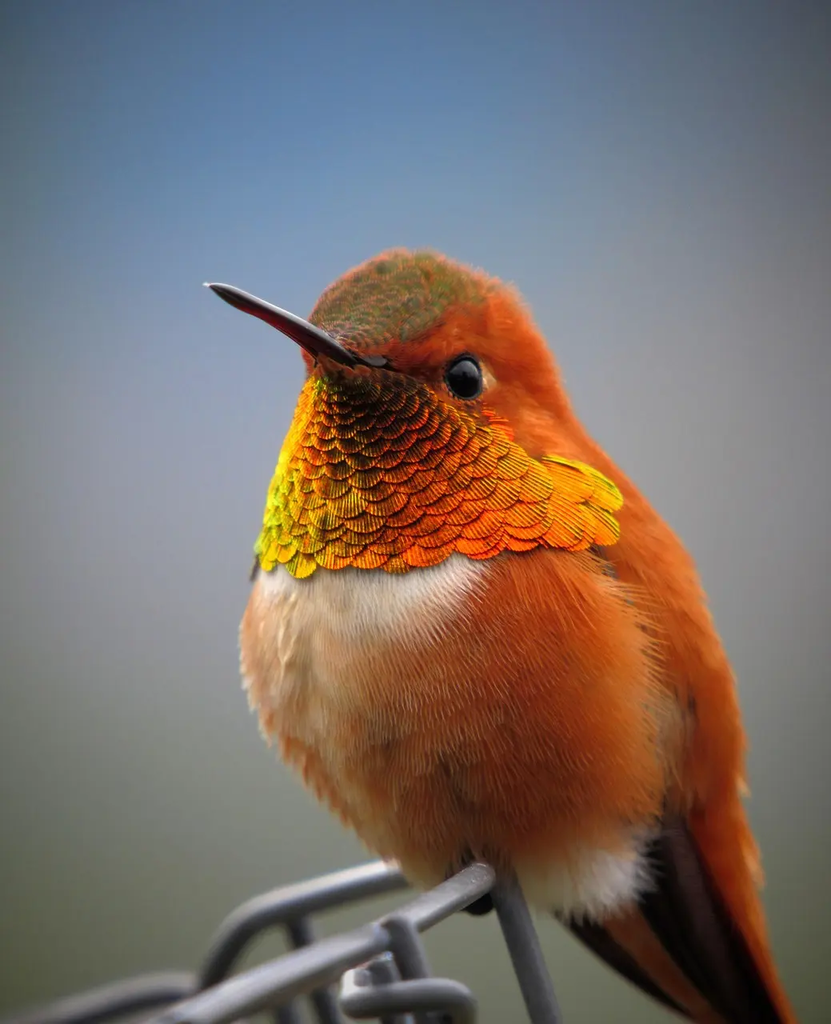
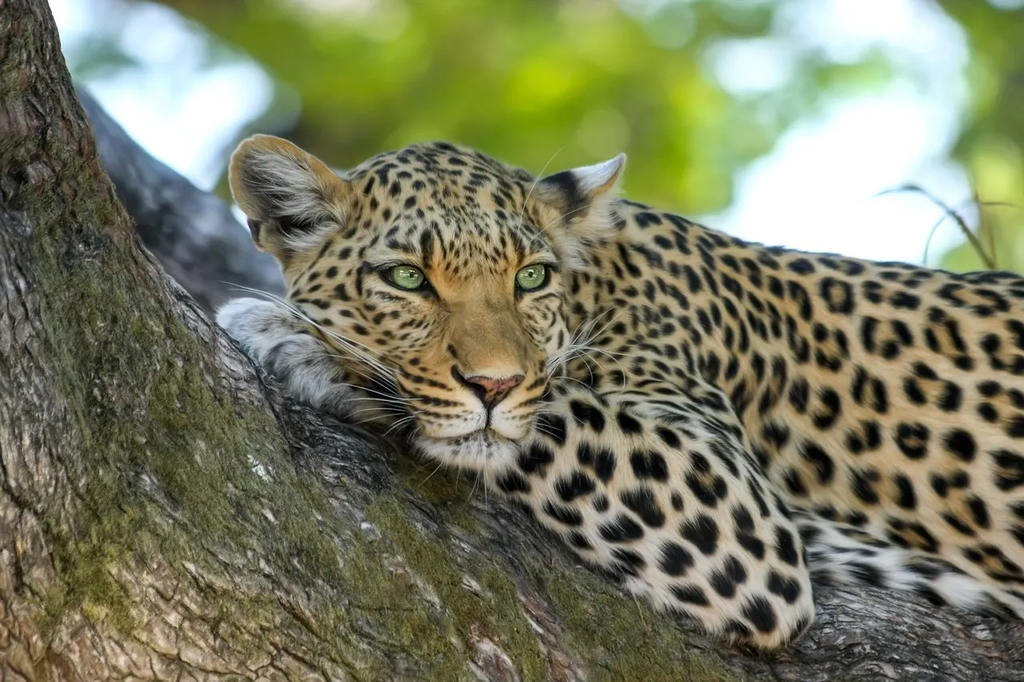
Animal parenting styles refer to the diverse and fascinating ways different species care for their young in the wild. Some animals, like elephants, show strong family bonds and nurture their calves for years, while others, like sea turtles, lay eggs and leave them to survive on their own. These unique strategies help ensure the survival of offspring in nature’s challenging environments, revealing the remarkable adaptability and instincts of wildlife parents.
Animal Parenting Styles
Animal parenting styles refer to the diverse and fascinating ways different species care for their young in the wild. Some animals, like elephants, show strong family bonds and nurture their calves for years, while others, like sea turtles, lay eggs and leave them to survive on their own. These unique strategies help ensure the survival of offspring in nature’s challenging environments, revealing the remarkable adaptability and instincts of wildlife parents.
💡 Key Takeaways
- Identify major animal parenting styles (intensive care vs. minimal care) and levels of parental investment.
- Explain the altricial vs. precocial offspring concept and how it shapes parental behavior.
- Assess how ecological factors (predation risk, resource availability) influence parenting decisions.
- Compare parenting strategies across mammals, birds, and other groups to illustrate diversity in care.
❓ Frequently Asked Questions
What does 'animal parenting style' mean?
It refers to how parents provide care, protection, and teaching to their offspring, which varies by species.
What is uniparental care?
Care provided by a single parent, without help from the other parent or helpers.
What is biparental care or cooperative breeding?
Two or more individuals contribute to feeding, protection, and learning, helping offspring survive.
What is precocial vs altricial offspring?
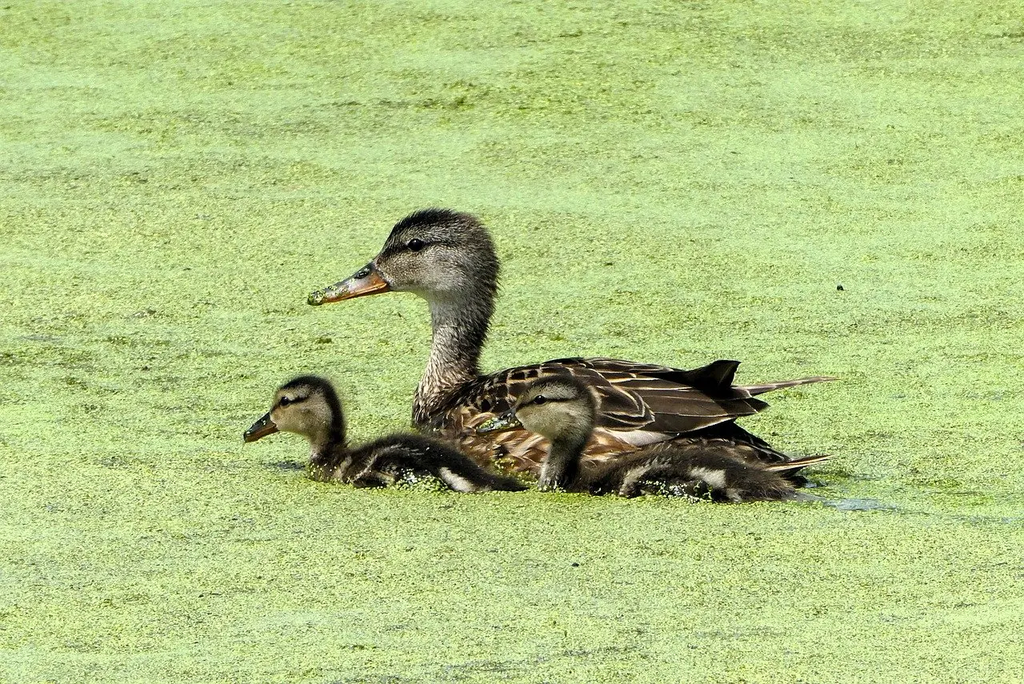
Precocial offspring are relatively mature and mobile at birth, while altricial offspring are helpless and need extensive parental care.
How can the environment affect parenting styles?
Resource availability, predation risk, and social structure influence how long and how intensely parents invest in offspring.