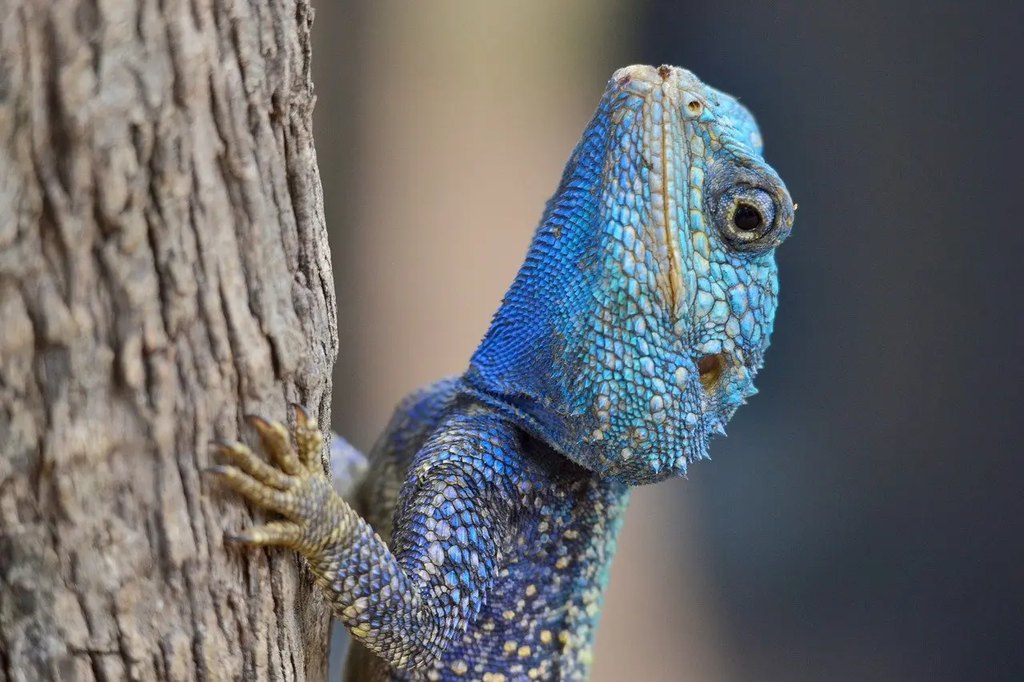
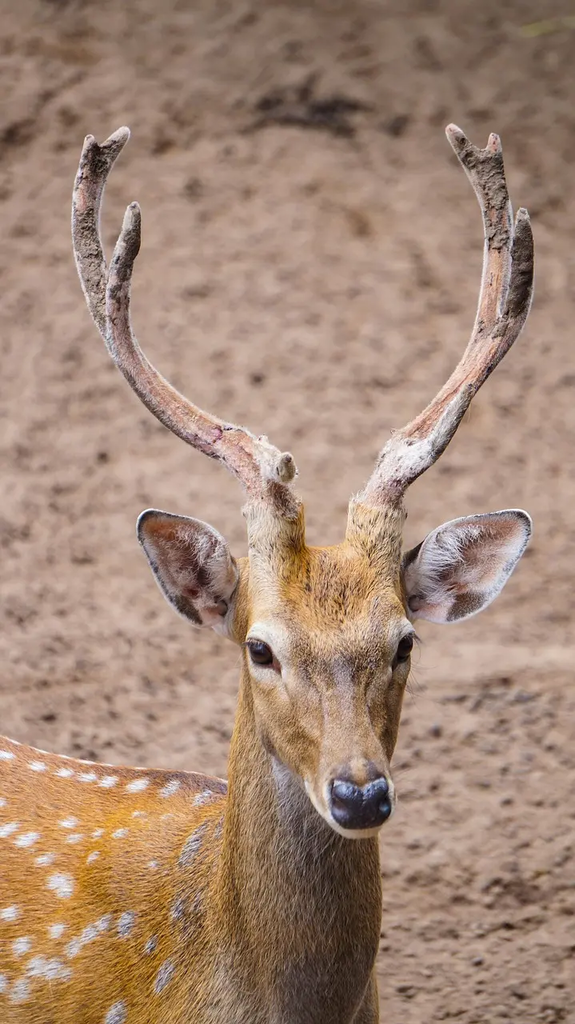
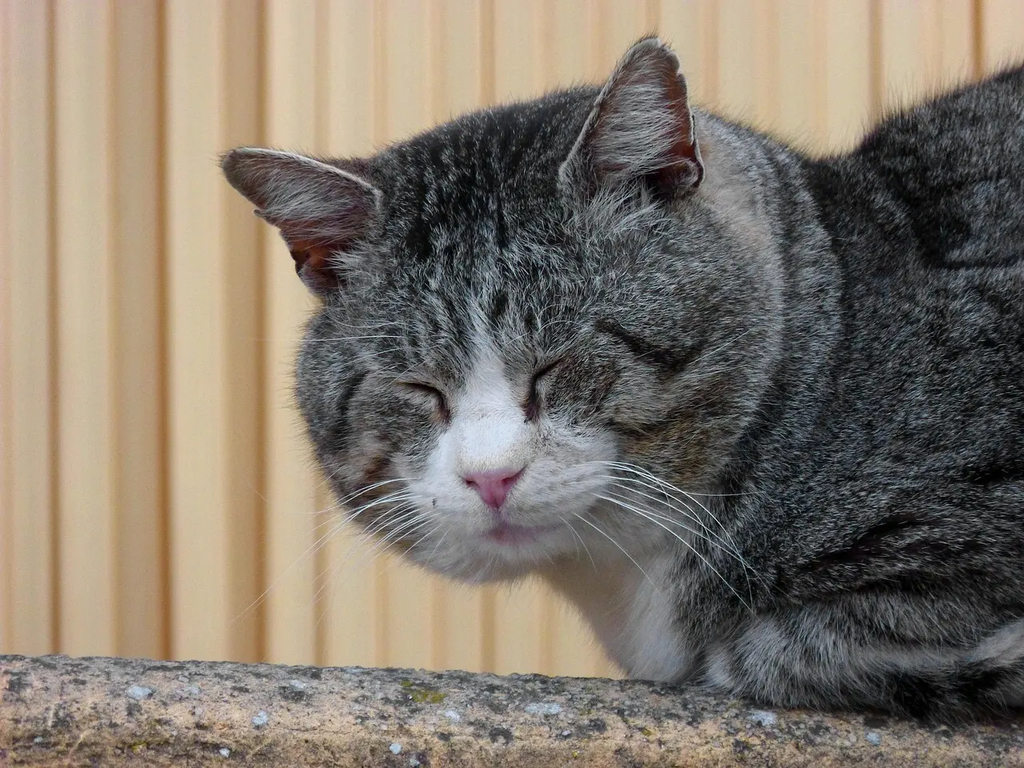
"Animal Sizes (The Animal Kingdom)" refers to the vast diversity in body sizes found among animals across the world. From tiny insects like ants to enormous mammals such as elephants and whales, the animal kingdom showcases a remarkable range of sizes. This variation in size influences how animals live, move, hunt, and interact with their environments, highlighting the incredible adaptability and diversity of life on Earth.
Animal Sizes+50
"Animal Sizes (The Animal Kingdom)" refers to the vast diversity in body sizes found among animals across the world. From tiny insects like ants to enormous mammals such as elephants and whales, the animal kingdom showcases a remarkable range of sizes. This variation in size influences how animals live, move, hunt, and interact with their environments, highlighting the incredible adaptability and diversity of life on Earth.

💡 Key Takeaways
- Learn how animal sizes are measured (length, height, weight) and common reference points.
- Identify typical size ranges for major animal groups (mammals, birds, reptiles, insects) with notable examples.
- Understand how age, sex, and environment influence an animal's size.
- Explore why size matters in biology and ecology, including effects on energy needs, movement, and habitat.
❓ Frequently Asked Questions
How is animal size measured?
Size is measured in several ways depending on the species: length (snout‑to‑vent or total length), height at the shoulder, wingspan for flying animals, and body mass (weight). Different sources use the most relevant metric for that species.
What is the largest animal on Earth?
The blue whale is the largest animal ever recorded, reaching up to about 30 meters (100 feet) in length and around 200 tons.
What is the smallest mammal?
The bumblebee bat (Kitti's hog-nosed bat) is among the smallest mammals by weight, about 2 grams and 29–33 millimeters long.
What is the smallest bird?
The bee hummingbird is the smallest bird, roughly 5–6 centimeters long and about 2 grams.