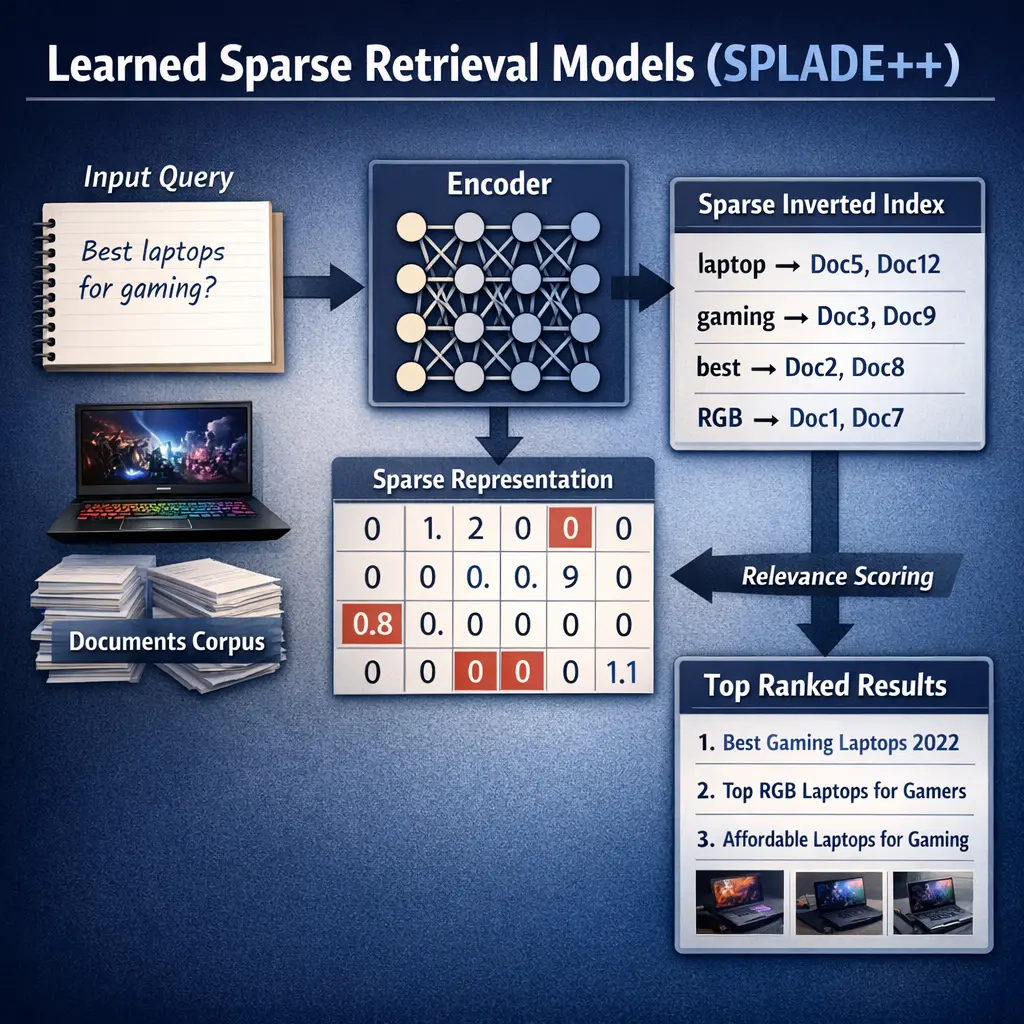
Answer Verification and Evidence Checking (Advanced RAG Techniques) refers to sophisticated methods used in Retrieval-Augmented Generation (RAG) systems to ensure the accuracy and reliability of generated responses. These techniques involve cross-referencing retrieved documents, validating supporting evidence, and assessing the consistency between the retrieved information and the generated answer. By implementing such mechanisms, advanced RAG models can reduce hallucinations, increase trustworthiness, and deliver more factually grounded outputs in complex information retrieval tasks.
Answer Verification and Evidence Checking
Answer Verification and Evidence Checking (Advanced RAG Techniques) refers to sophisticated methods used in Retrieval-Augmented Generation (RAG) systems to ensure the accuracy and reliability of generated responses. These techniques involve cross-referencing retrieved documents, validating supporting evidence, and assessing the consistency between the retrieved information and the generated answer. By implementing such mechanisms, advanced RAG models can reduce hallucinations, increase trustworthiness, and deliver more factually grounded outputs in complex information retrieval tasks.
💡 Key Takeaways
- Learn strategies to verify answers by cross-checking information from multiple reputable sources.
- Understand how to evaluate the credibility, relevance, and quality of evidence supporting a claim.
- Develop skills to spot bias, logical fallacies, and misinterpretations in arguments.
- Apply practical steps for citing sources, summarizing evidence, and documenting provenance.
❓ Frequently Asked Questions
What is answer verification in a quiz context?
Answer verification is double-checking your chosen option against reliable evidence or reasoning to reduce mistakes before submitting.
How can you verify an answer using evidence?
Find credible sources that support the claim, cross-check with multiple independent references, and ensure the evidence directly backs the answer.
What makes a source credible when checking evidence?
Credible sources are authoritative, accurate, up-to-date, and independent—prefer primary sources, peer-reviewed work, official records, and reputable institutions.
What steps should you take when your evidence challenges your initial answer?
Reassess the question, re-examine the evidence, consider alternative interpretations, and select the answer best supported by reliable evidence.