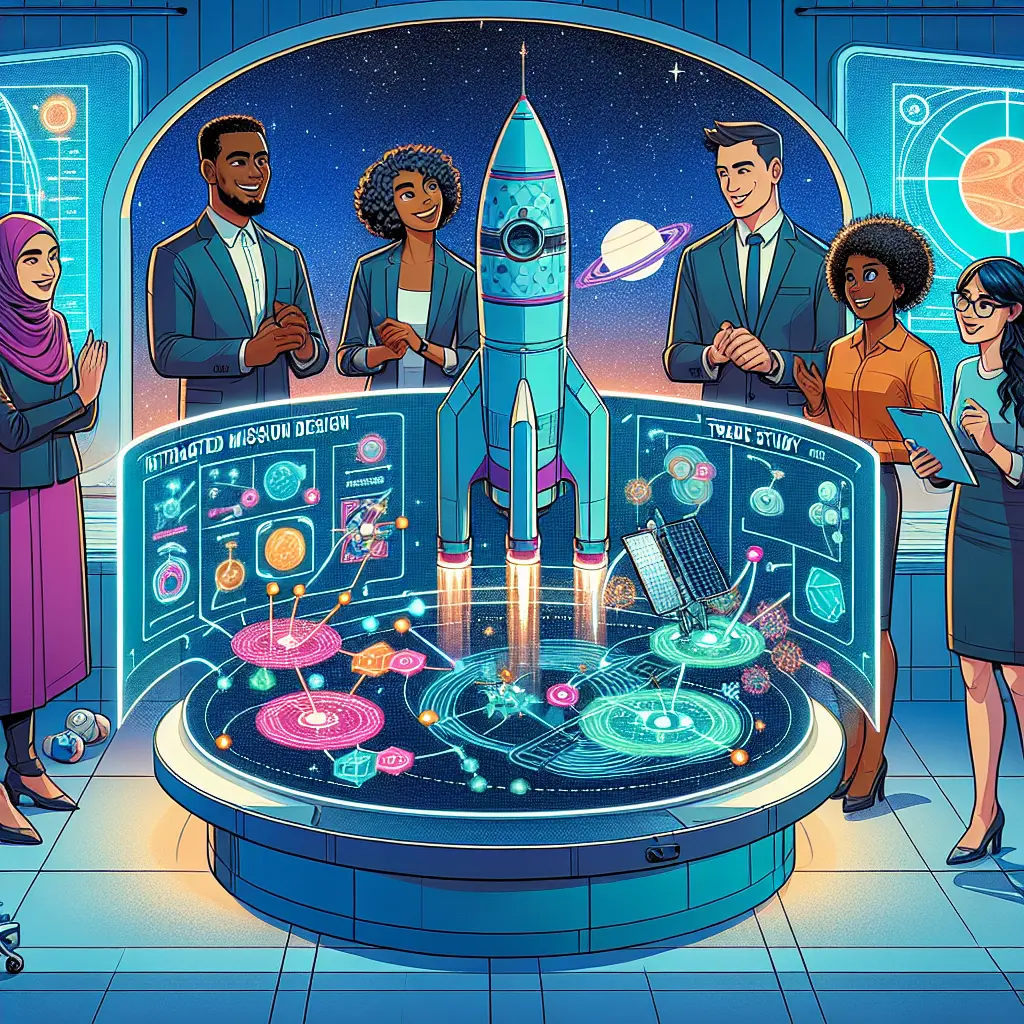
Architecting a Sustainable Mars Transportation System involves designing and implementing an efficient, reliable network for moving people, equipment, and resources between Mars and Earth, as well as across the Martian surface. This system prioritizes renewable energy sources, reusable vehicles, and closed-loop life support to minimize waste and environmental impact. It requires innovative engineering, robust supply chains, and adaptive infrastructure to ensure long-term viability and support ongoing exploration and potential colonization of Mars.
Architecting a Sustainable Mars Transportation System
Architecting a Sustainable Mars Transportation System involves designing and implementing an efficient, reliable network for moving people, equipment, and resources between Mars and Earth, as well as across the Martian surface. This system prioritizes renewable energy sources, reusable vehicles, and closed-loop life support to minimize waste and environmental impact. It requires innovative engineering, robust supply chains, and adaptive infrastructure to ensure long-term viability and support ongoing exploration and potential colonization of Mars.

💡 Key Takeaways
- Understand the core components of a Mars transport network, including Earth–Mars transfers and surface mobility on Mars.
- Learn how renewable energy sources power propulsion, life support, and infrastructure for sustainable interplanetary travel.
- Explore the advantages of reusable vehicles and in-situ resource utilization to reduce cost and increase reliability.
- Identify key challenges such as radiation, dust storms, and communication latency, and how system design mitigates them for safe operation.
❓ Frequently Asked Questions
What is the primary goal of a sustainable Mars transportation system?
To provide an efficient, reliable network for moving people, equipment, and resources between Earth and Mars and across Mars, while using renewable energy and reusable vehicles to minimize cost and environmental impact.
Why are renewable energy sources emphasized for Mars transport?
Mars offers opportunities for solar and other renewables; using them reduces dependence on Earth-supplied fuel, enables longer missions, and lowers operating costs and environmental footprint.
What are reusable vehicles and what benefits do they offer?
Vehicles designed for multiple trips lower per-mission costs, reduce waste, and support more frequent, reliable transport between planets and across the Martian surface.
What components make up a Martian surface transportation network?
Autonomous or crewed landers/rovers, energy storage and charging infrastructure, robust communication links, and logistics nodes that support movement of people, equipment, and resources on Mars.