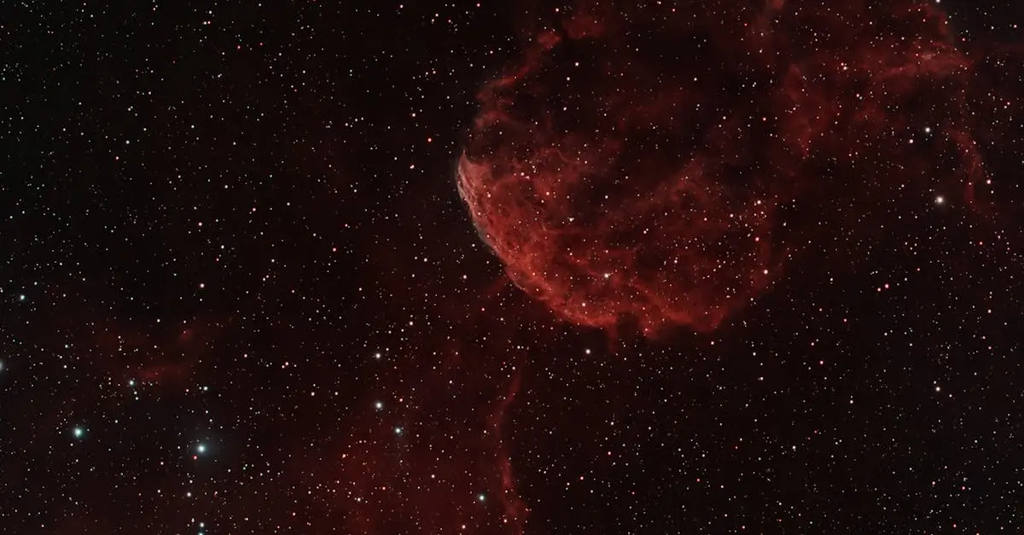
Astronomy is the scientific study of celestial objects such as stars, planets, comets, and galaxies, as well as phenomena that originate outside Earth’s atmosphere. Cosmology, a branch within astronomy, focuses specifically on the origin, structure, evolution, and ultimate fate of the universe as a whole. Together, astronomy and cosmology seek to unravel the mysteries of the cosmos, exploring both individual astronomical bodies and the universe’s grand-scale properties and history.
Astronomy & Cosmology+50
Astronomy is the scientific study of celestial objects such as stars, planets, comets, and galaxies, as well as phenomena that originate outside Earth’s atmosphere. Cosmology, a branch within astronomy, focuses specifically on the origin, structure, evolution, and ultimate fate of the universe as a whole. Together, astronomy and cosmology seek to unravel the mysteries of the cosmos, exploring both individual astronomical bodies and the universe’s grand-scale properties and history.
💡 Key Takeaways
- Differentiate between astronomy and cosmology, and summarize their primary goals.
- Identify key celestial objects (stars, planets, comets, galaxies) and phenomena beyond Earth’s atmosphere.
- Describe the main questions cosmology asks about the origin, structure, evolution, and fate of the universe.
- Explain how observations across different wavelengths and telescopes help scientists study the cosmos.
❓ Frequently Asked Questions
What is astronomy?
Astronomy is the scientific study of celestial objects and phenomena beyond Earth’s atmosphere, such as stars, planets, comets, and galaxies, using observation and theory.
What is cosmology?
Cosmology is a branch of astronomy that focuses on the origin, structure, evolution, and ultimate fate of the universe as a whole.
How are astronomy and cosmology related?
Cosmology is a subfield within astronomy that uses observations of the universe on the largest scales to test models of its origin and fate.
What are common celestial objects studied in astronomy?
Stars, planets, comets, galaxies, nebulae, and other objects and phenomena beyond Earth’s atmosphere.
What big ideas do cosmologists investigate?
The expansion of the universe, the Big Bang origin, the cosmic microwave background, dark matter, and dark energy shaping the universe’s evolution and fate.