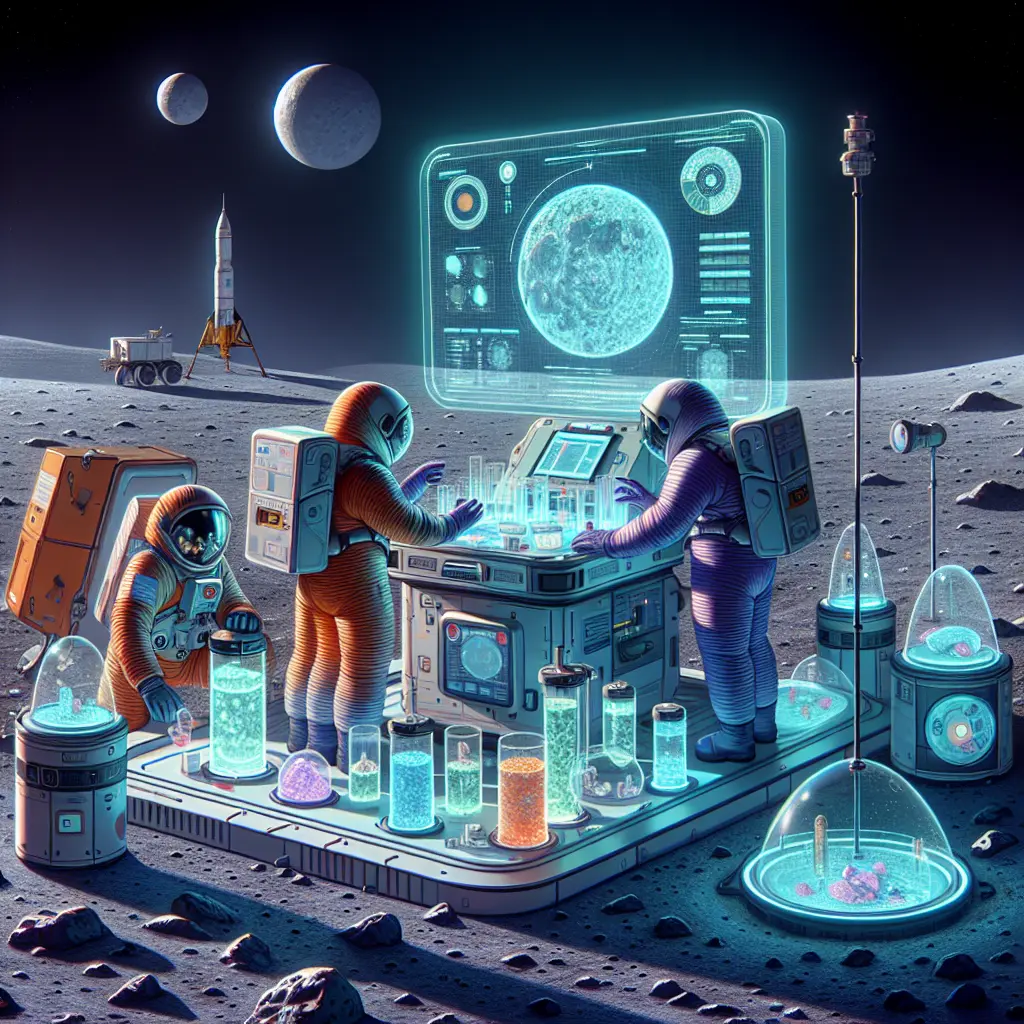
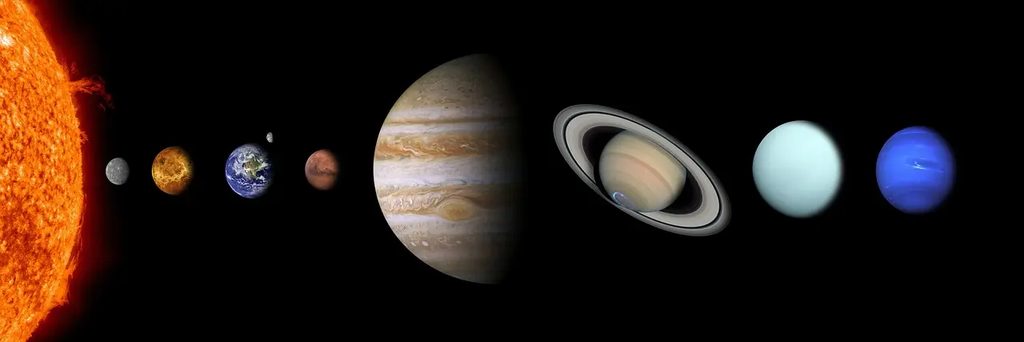
Autonomy and AI for spacecraft operations refer to the integration of artificial intelligence and autonomous systems to manage and control spacecraft functions with minimal human intervention. These technologies enable spacecraft to make real-time decisions, adapt to unexpected situations, and optimize mission performance. By reducing reliance on ground control, autonomy and AI improve efficiency, enhance safety, and allow for more complex missions, especially in deep space where communication delays are significant.
Autonomy and AI for Spacecraft Operations
Autonomy and AI for spacecraft operations refer to the integration of artificial intelligence and autonomous systems to manage and control spacecraft functions with minimal human intervention. These technologies enable spacecraft to make real-time decisions, adapt to unexpected situations, and optimize mission performance. By reducing reliance on ground control, autonomy and AI improve efficiency, enhance safety, and allow for more complex missions, especially in deep space where communication delays are significant.
💡 Key Takeaways
- Understand how autonomy and AI enable onboard decision-making with minimal human intervention in spacecraft operations.
- Learn how real-time sensing, planning, and control allow spacecraft to adapt to changing conditions autonomously.
- Identify safety, reliability, and fault-tolerance considerations for autonomous space systems, including anomaly detection and recovery.
- Compare AI approaches used in space missions (rule-based planning, machine learning, and model-based control) and their practical applications.
❓ Frequently Asked Questions
What is autonomy in spacecraft operations?
Autonomy means onboard systems can perform tasks and make decisions with minimal human input, using AI, sensors, and control software.
How does AI enable real-time decision making in space?
AI analyzes sensor data, assesses the spacecraft state, and selects actions (e.g., trajectory adjustments) quickly, reducing delays from ground control.
What tasks are typically managed autonomously on spacecraft?
Autonomous functions include navigation planning, attitude and orbit control, fault detection and recovery, and automated instrument operations.
How is safety maintained in autonomous space systems?
Safety is ensured through redundancy, rigorous testing and validation, fault-tolerant design, and, when needed, human oversight for critical decisions.