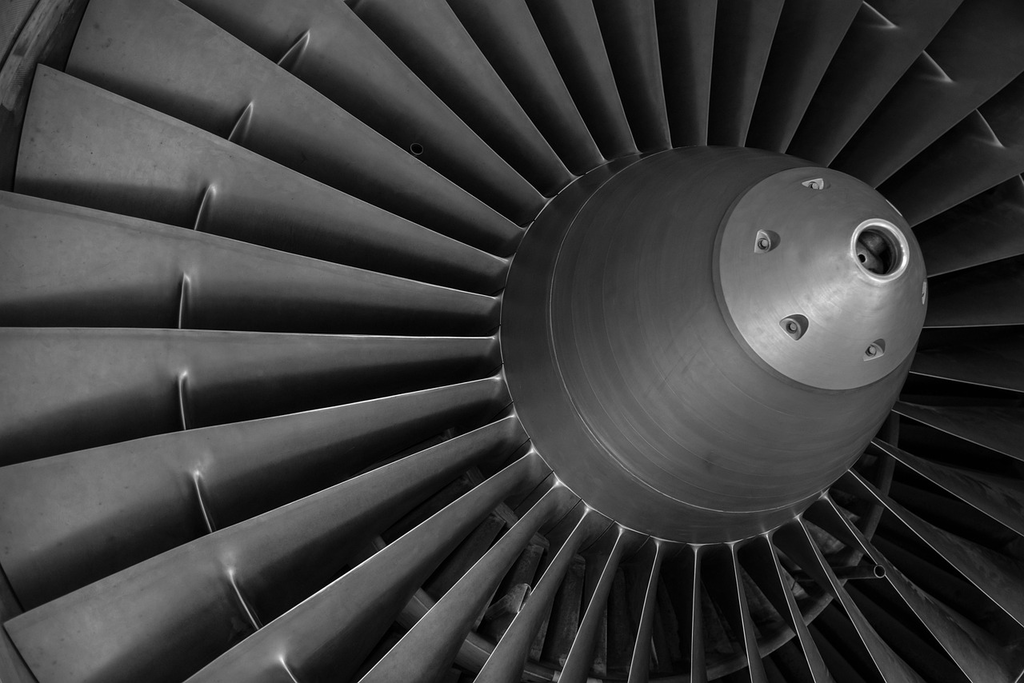
Basic airplane parts include the fuselage (main body), wings (provide lift), engines (generate thrust), cockpit (where pilots control the plane), landing gear (wheels for takeoff and landing), and tail assembly (stabilizes flight). These components work together to ensure safe and efficient air travel. Understanding these parts helps explain how airplanes operate, similar to how knowing car parts helps understand how cars function during travel rides.
Basic Airplane Parts+50
Basic airplane parts include the fuselage (main body), wings (provide lift), engines (generate thrust), cockpit (where pilots control the plane), landing gear (wheels for takeoff and landing), and tail assembly (stabilizes flight). These components work together to ensure safe and efficient air travel. Understanding these parts helps explain how airplanes operate, similar to how knowing car parts helps understand how cars function during travel rides.
💡 Key Takeaways
- Identify the main airplane parts (fuselage, wings, tail/empennage, engines, and landing gear) and their basic roles.
- Explain the function of primary flight controls (ailerons, elevators, rudder) and how they affect roll, pitch, and yaw.
- Describe how wings create lift and how devices like flaps and slats modify lift for takeoff and landing.
- Recognize common cockpit instruments and basic avionics used in flight.
❓ Frequently Asked Questions
What is the fuselage and what is it used for?
The main body of the airplane that houses the cockpit, passenger cabin, cargo, and fuel, and provides structural support.
What are the wings and what do they do?
The wings generate lift to support the aircraft in flight and may carry engines; they also house control surfaces for roll.
What is the empennage (tail) and its function?
The tail assembly provides stability and houses the elevator and rudder to control pitch and yaw.
What are the main flight control surfaces and what do they do?
Ailerons control roll, elevators control pitch, and the rudder controls yaw, allowing steering and balance.
What is the engine’s role on an airplane?
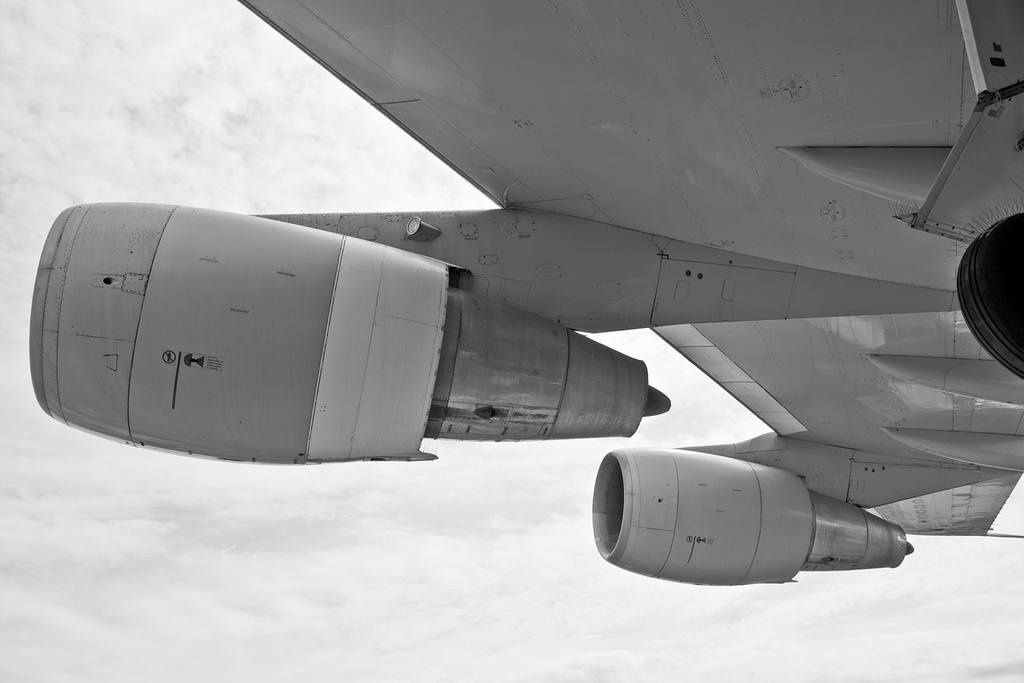
The engine provides thrust to propel the aircraft, using jet engines or propellers.