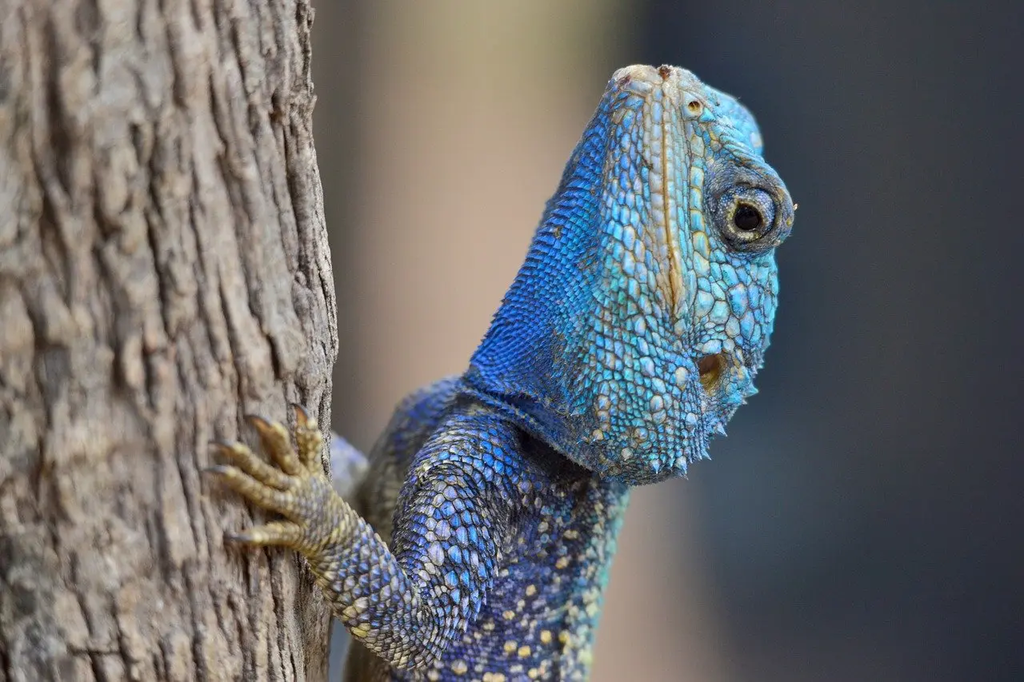
"Basic Animal Anatomy (Animal Fun Facts: Nature's Wildest Secrets)" refers to the fundamental structure and body parts of animals, exploring how bones, muscles, organs, and systems function together. This topic reveals fascinating facts about how different species are uniquely built to survive and thrive in their environments, highlighting nature’s creativity and adaptability. It helps readers understand the similarities and differences between various animals, uncovering some of nature’s most intriguing biological secrets.
Basic Animal Anatomy+50
"Basic Animal Anatomy (Animal Fun Facts: Nature's Wildest Secrets)" refers to the fundamental structure and body parts of animals, exploring how bones, muscles, organs, and systems function together. This topic reveals fascinating facts about how different species are uniquely built to survive and thrive in their environments, highlighting nature’s creativity and adaptability. It helps readers understand the similarities and differences between various animals, uncovering some of nature’s most intriguing biological secrets.
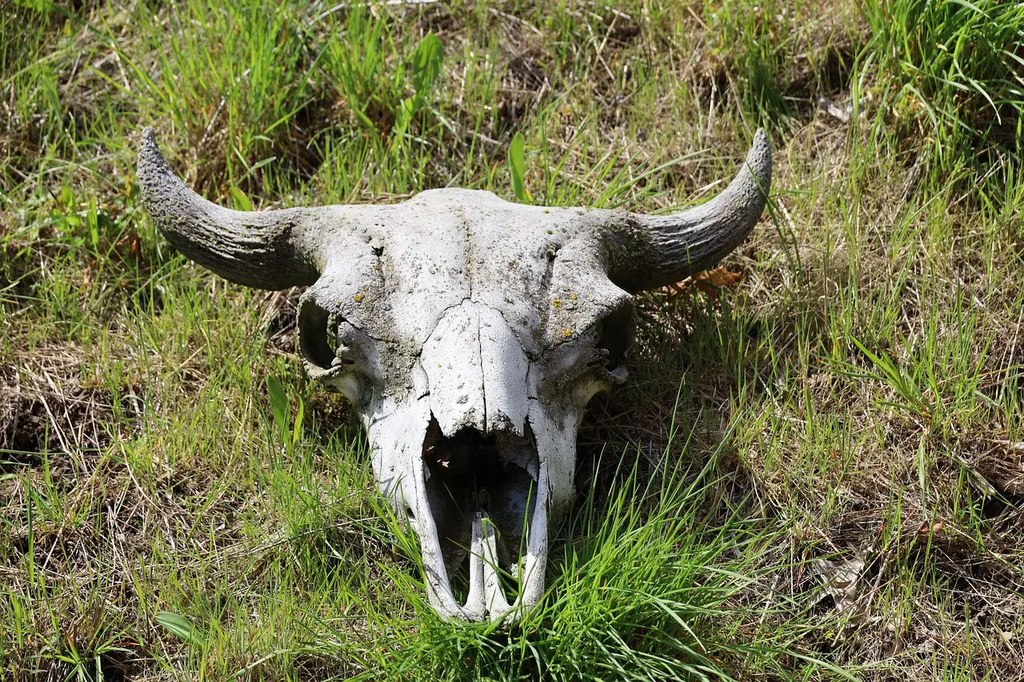
💡 Key Takeaways
- Identify the major organ systems (skeletal, muscular, circulatory, digestive, respiratory, nervous, and reproductive) and their basic roles.
- Explain the difference between vertebrates and invertebrates with simple examples of their body plans.
- Learn common anatomical terms for location on the body (anterior, posterior, dorsal, ventral, proximal, distal).
- Understand how the four basic tissue types (epithelial, connective, muscle, nerve) build organs and support function.
❓ Frequently Asked Questions
What is basic animal anatomy?
The study of an animal's body structure—bones, muscles, organs, and how they fit together to support movement, feeding, sensing, and reproduction.
What are the major body systems most animals share?
Skeleton for support, muscles for movement, and organs for circulation, breathing, and digestion, all coordinated by the nervous system.
What is the difference between bones and cartilage?
Bones are hard, mineralized tissue that provides rigid support; cartilage is softer and flexible, found at joints and in developing parts.
What do dorsal, ventral, anterior, and posterior mean?
They describe locations: dorsal = back, ventral = belly; anterior = front (head end), posterior = rear (tail end).