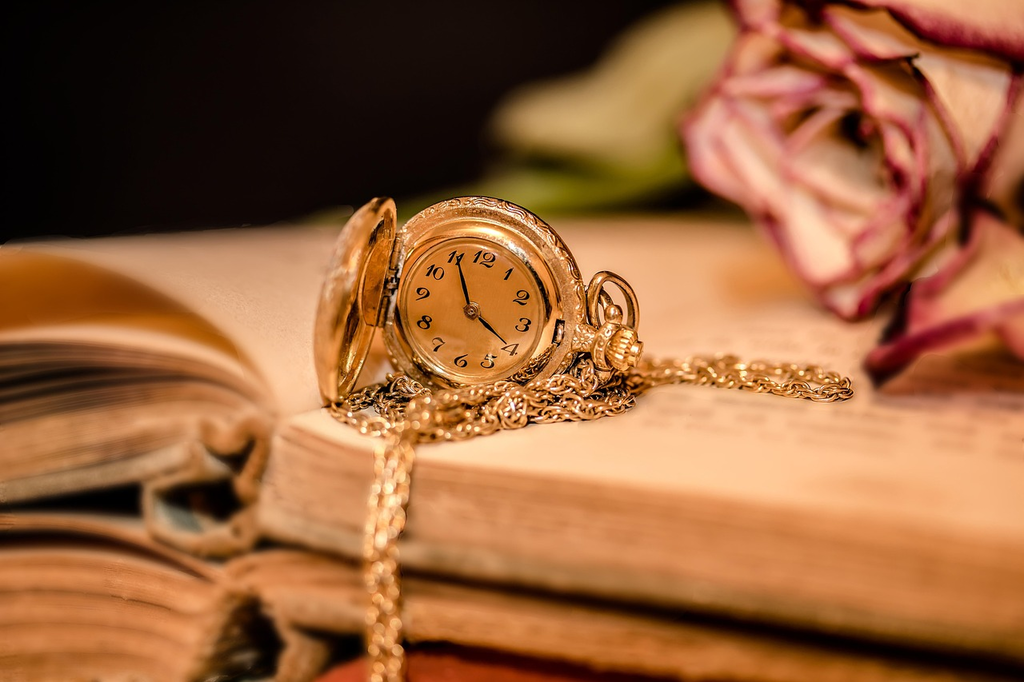
Basic clock types refer to the fundamental designs and mechanisms used to measure and display time, essential in daily life. These include analog clocks with hour and minute hands, digital clocks displaying time numerically, wall clocks for home or office, alarm clocks to wake users, and wristwatches for portability. As daily essentials, clocks help organize routines, manage schedules, and ensure punctuality, making them indispensable tools in personal and professional settings.
Basic Clock Types+50
Basic clock types refer to the fundamental designs and mechanisms used to measure and display time, essential in daily life. These include analog clocks with hour and minute hands, digital clocks displaying time numerically, wall clocks for home or office, alarm clocks to wake users, and wristwatches for portability. As daily essentials, clocks help organize routines, manage schedules, and ensure punctuality, making them indispensable tools in personal and professional settings.
💡 Key Takeaways
- Distinguish analog clocks from digital clocks and know where each type is commonly used.
- Understand clock mechanisms (mechanical, quartz, atomic) and how they affect accuracy.
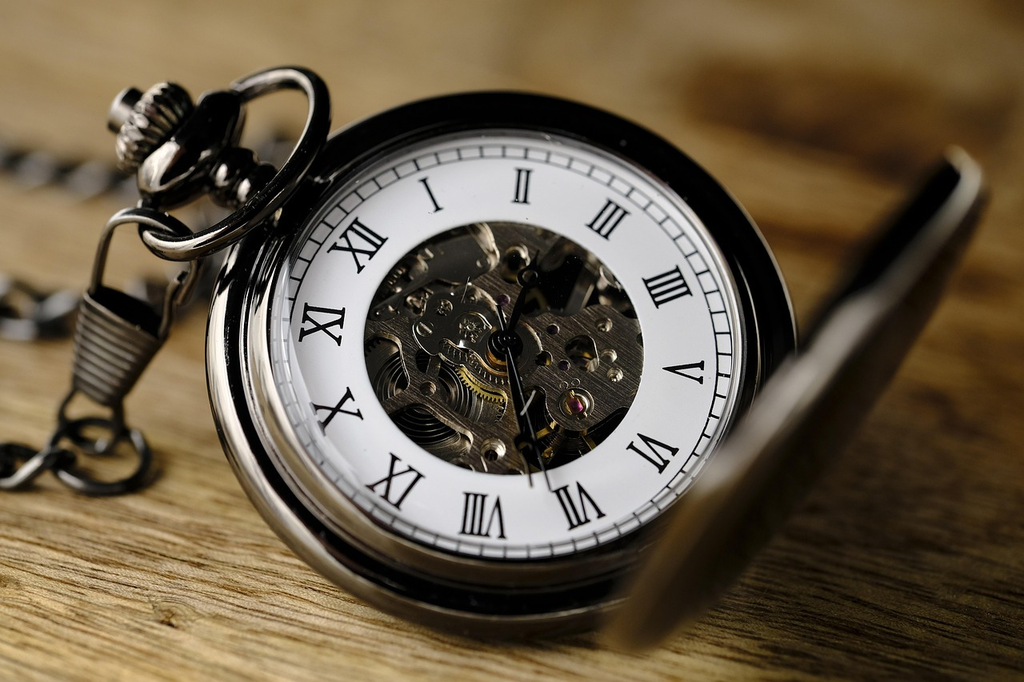
- Read time on analog clocks, including hour/minute hands, and know 12-hour vs 24-hour formats.
- Identify key clock parts (dial, hands, markers) and common clock styles (mantel, wall, alarm, wristwatch).
❓ Frequently Asked Questions
What is an analog clock?
An analog clock shows time with rotating hands on a dial (hour, minute, and sometimes second hands).
What is a digital clock?
A digital clock displays time as numeric digits, e.g., 08:45 or 18:30, often in 24- or 12-hour formats.
What is a sundial?
A sundial is a sun-based clock that uses a gnomon to cast a shadow on marked surfaces to indicate time, requiring daylight.
What is a quartz clock?
A quartz clock uses a quartz crystal oscillator to keep time, typically powered by a battery and available in analog or digital displays.
What is an atomic clock?
An atomic clock measures time by the precise frequency of atomic transitions (usually cesium or rubidium) and is the most accurate standard for time.