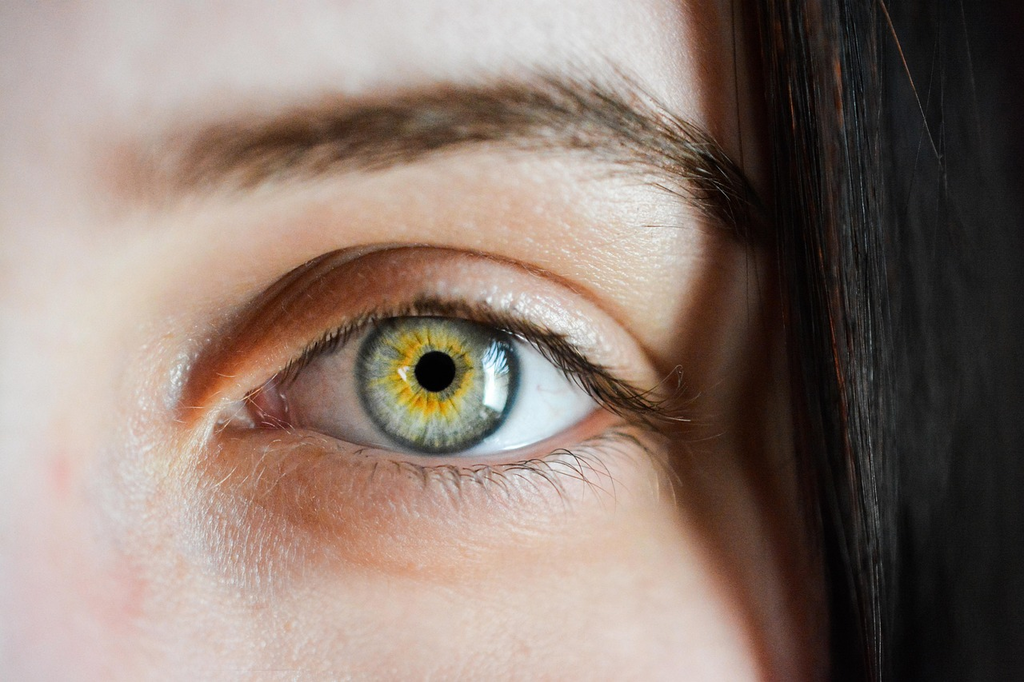
Basic eye anatomy refers to the structure and function of the eye, a vital organ for vision. Key parts include the cornea (clear front layer), iris (colored part controlling pupil size), lens (focuses light), retina (detects light and sends signals to the brain), and optic nerve. The eye can reflect body signals, such as changes in pupil size or redness, which may indicate emotional states or health conditions.
Basic Eye Anatomy+50
Basic eye anatomy refers to the structure and function of the eye, a vital organ for vision. Key parts include the cornea (clear front layer), iris (colored part controlling pupil size), lens (focuses light), retina (detects light and sends signals to the brain), and optic nerve. The eye can reflect body signals, such as changes in pupil size or redness, which may indicate emotional states or health conditions.
💡 Key Takeaways
- Identify the main parts of the eye: cornea, iris, pupil, lens, retina, optic nerve, sclera, and vitreous humor.
- Explain how light enters through the cornea and pupil and is focused by the lens onto the retina.
- Describe how the retina detects light with rods and cones and sends signals via the optic nerve to the brain.
- Recognize the protective structures and eye fluids (conjunctiva, tear film, aqueous and vitreous humor) that support vision.
❓ Frequently Asked Questions
What is the sclera?
The tough, white outer layer that protects the eye and gives it its shape.
What is the cornea?
The clear front surface that refracts light into the eye.
What is the retina?
The light-sensitive layer at the back of the eye that contains rods and cones and converts light into nerve signals.
What is the optic nerve?
The nerve bundle that carries visual information from the retina to the brain.