Basic food preservation methods are techniques used to extend the shelf life of foods and prevent spoilage. Common methods include drying, salting, pickling, fermenting, canning, and freezing. These methods inhibit the growth of bacteria, yeasts, and molds, ensuring food remains safe and edible for longer periods. Preservation allows people to enjoy seasonal and regional dishes year-round, and has played a crucial role in the development of world cuisines by enabling exploration and trade of diverse ingredients.
Basic Food Preservation Methods
Basic food preservation methods are techniques used to extend the shelf life of foods and prevent spoilage. Common methods include drying, salting, pickling, fermenting, canning, and freezing. These methods inhibit the growth of bacteria, yeasts, and molds, ensuring food remains safe and edible for longer periods. Preservation allows people to enjoy seasonal and regional dishes year-round, and has played a crucial role in the development of world cuisines by enabling exploration and trade of diverse ingredients.
💡 Key Takeaways
- Identify basic preservation methods (refrigeration, freezing, canning, drying, fermentation) and the foods they best preserve.
- Explain how temperature, moisture, and acidity influence shelf life and safety.
- Outline safe, simple steps for common methods (refrigeration, freezing, drying, and basic fermentation/pickling).
- Recognize spoilage signs and know when to discard preserved foods.
❓ Frequently Asked Questions
What is the purpose of basic food preservation methods?
To slow or stop spoilage by inhibiting microbes and enzymes, helping foods stay safe and edible longer.
What are common basic methods of preserving food and how do they work?
Refrigeration/freezing slows microbial growth with low temperatures; canning uses heat and airtight sealing to kill microbes and prevent recontamination; drying removes moisture to inhibit growth; fermentation/pickling acidify or salt foods to limit spoilage organisms.
How does canning work to keep foods safe?
Food is heated in sealed jars to kill pathogens, then the seal prevents new microbes from entering, preserving the food when done correctly.
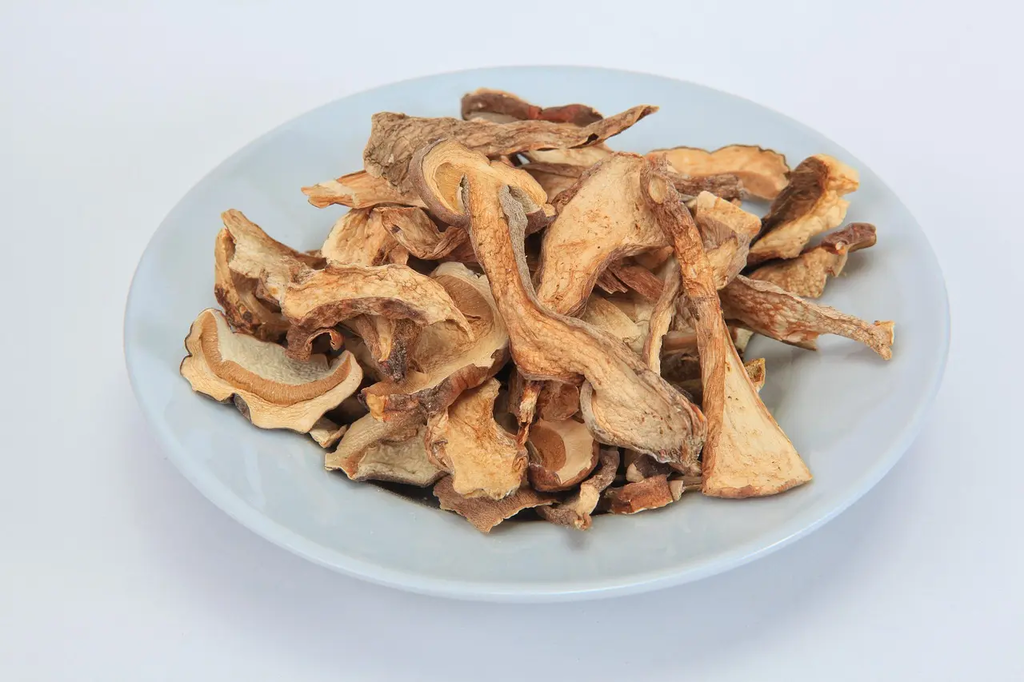
What is drying (dehydration) and how does it preserve food?
Removing moisture inhibits microbial growth and slows enzymatic reactions, extending shelf life while keeping flavor and nutrients.