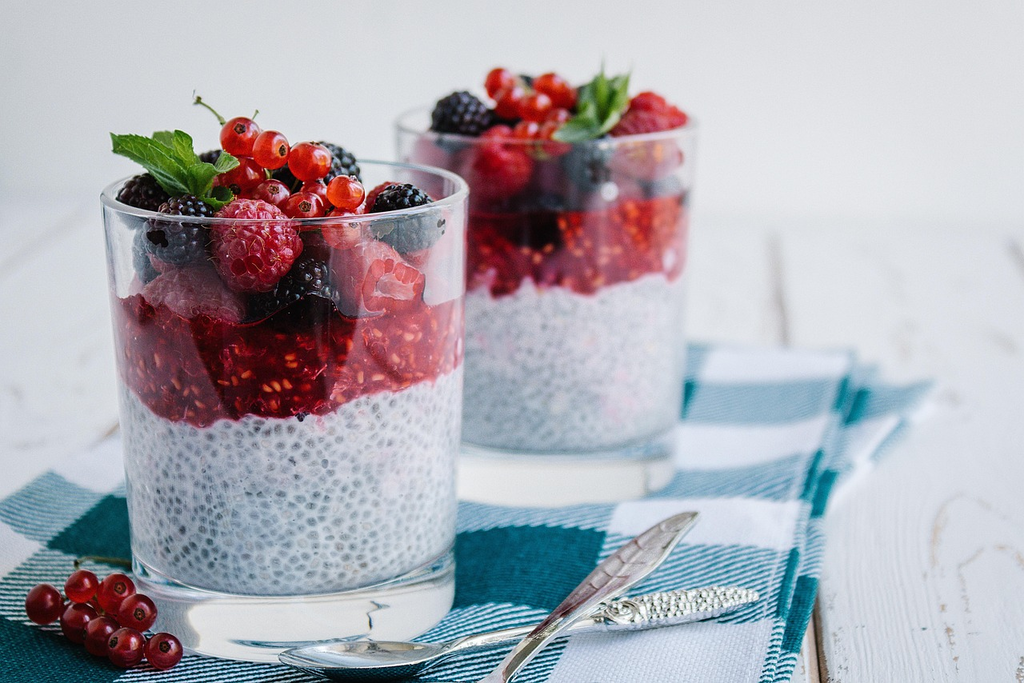
Basic hygiene practices involve daily routines that maintain cleanliness and prevent illness, such as regular handwashing, bathing, oral care, and wearing clean clothes. Healthy habits like adequate sleep, exercise, and hydration further support overall well-being. Including superfoods—nutrient-rich foods like berries, leafy greens, and nuts—boosts immunity and promotes health. Together, these habits and dietary choices help prevent infections, enhance physical health, and improve quality of life.
Basic Hygiene Practices+50
Basic hygiene practices involve daily routines that maintain cleanliness and prevent illness, such as regular handwashing, bathing, oral care, and wearing clean clothes. Healthy habits like adequate sleep, exercise, and hydration further support overall well-being. Including superfoods—nutrient-rich foods like berries, leafy greens, and nuts—boosts immunity and promotes health. Together, these habits and dietary choices help prevent infections, enhance physical health, and improve quality of life.
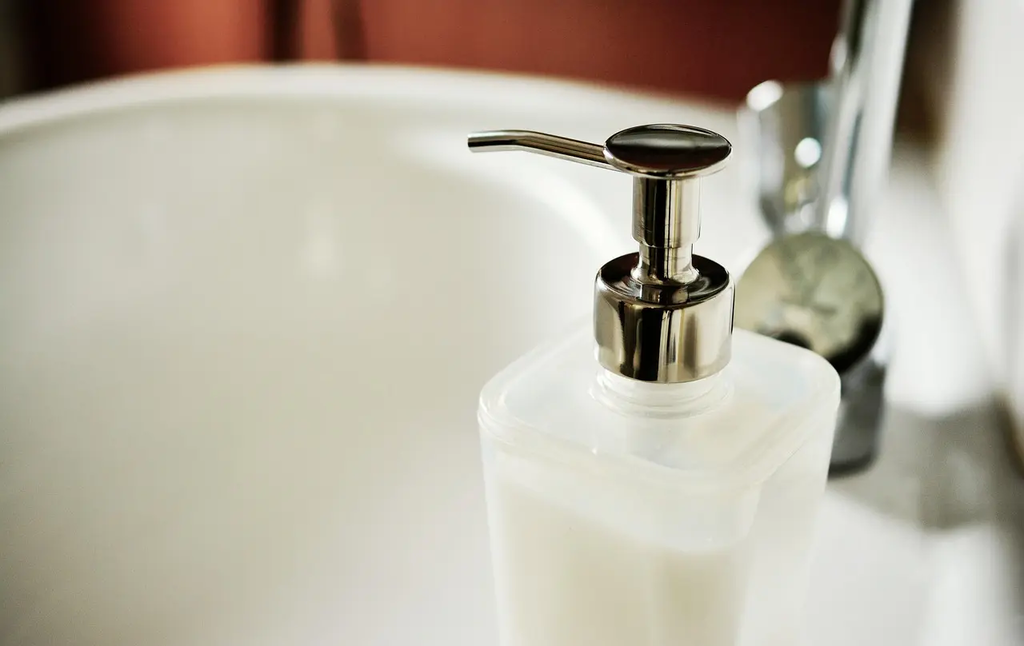
💡 Key Takeaways
- Identify essential personal hygiene practices to prevent illness.
- Demonstrate proper handwashing technique and sanitizer use.
- Practice daily hygiene routines (bathing, oral care, nail care).
- Apply basic cleaning and sanitizing to keep living and work spaces safe.
❓ Frequently Asked Questions
What is basic hygiene?
Basic hygiene includes everyday practices like handwashing, bathing, dental care, skin care, and keeping clothes and surroundings clean to prevent germs from spreading and keep you healthy.
How long should you wash your hands for it to be effective?
At least 20 seconds, covering all surfaces (palms, backs, between fingers, under nails), then rinse and dry.
When should you use soap and water vs. hand sanitizer?
Use soap and water when hands are visibly dirty or after using the bathroom; use an alcohol-based hand sanitizer (at least 60% alcohol) when soap and water aren’t available.
What are simple daily hygiene practices to prevent illness?
Regular bathing or showering, clean clothes, brushing teeth twice daily, keeping nails trimmed, cleaning high-touch surfaces, and practicing safe food handling and cough etiquette.