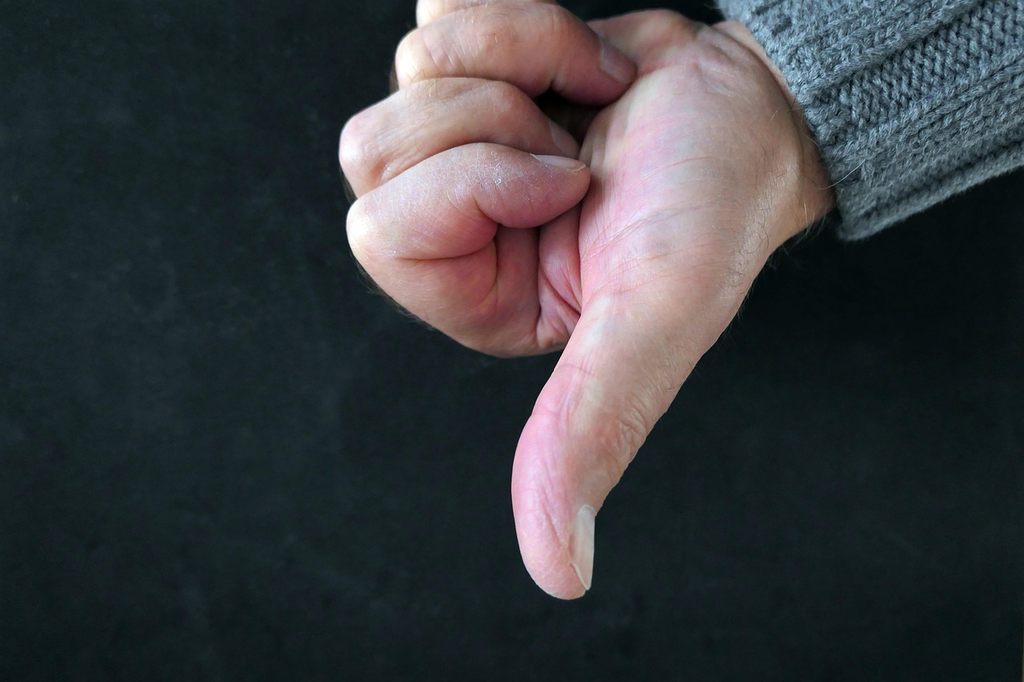
Basic nonverbal communication involves using gestures to convey messages without words. Common examples include waving the hand, giving a thumbs up, or making a peace sign. These gestures are universally recognized and can express greetings, approval, or goodwill. Waving often signals hello or goodbye, a thumbs up shows agreement or positivity, and the peace sign represents harmony or friendliness. Such gestures help facilitate understanding across language barriers.
Basic Nonverbal Communication+50
Basic nonverbal communication involves using gestures to convey messages without words. Common examples include waving the hand, giving a thumbs up, or making a peace sign. These gestures are universally recognized and can express greetings, approval, or goodwill. Waving often signals hello or goodbye, a thumbs up shows agreement or positivity, and the peace sign represents harmony or friendliness. Such gestures help facilitate understanding across language barriers.

💡 Key Takeaways
- Identify common nonverbal cues (facial expressions, posture, gestures, tone) and what they convey
- Explain how nonverbal signals can reinforce or contradict spoken words
- Understand cultural and situational differences in interpreting nonverbal cues
- Build skills to adjust your own nonverbal communication for clearer, more confident interactions
❓ Frequently Asked Questions
What is nonverbal communication?
Nonverbal communication includes facial expressions, gestures, posture, eye contact, and vocal cues that convey meaning without words.
What are the main types of nonverbal signals?
Facial expressions, hand gestures, body posture, eye contact, spatial distance (proxemics), touch, and vocal cues like tone, pitch, and pace.
How can posture affect how your message is received?
Open, upright posture signals confidence and openness; crossing arms or slouching can suggest defensiveness or disinterest.
Why is eye contact important and how should I use it?
Eye contact shows attention and confidence. Use natural, steady eye contact with occasional breaks, adjusting for cultural norms.
What role does tone of voice play in communication?
Tone, pace, and volume convey emotion and emphasis; the same words can feel different depending on how you say them.