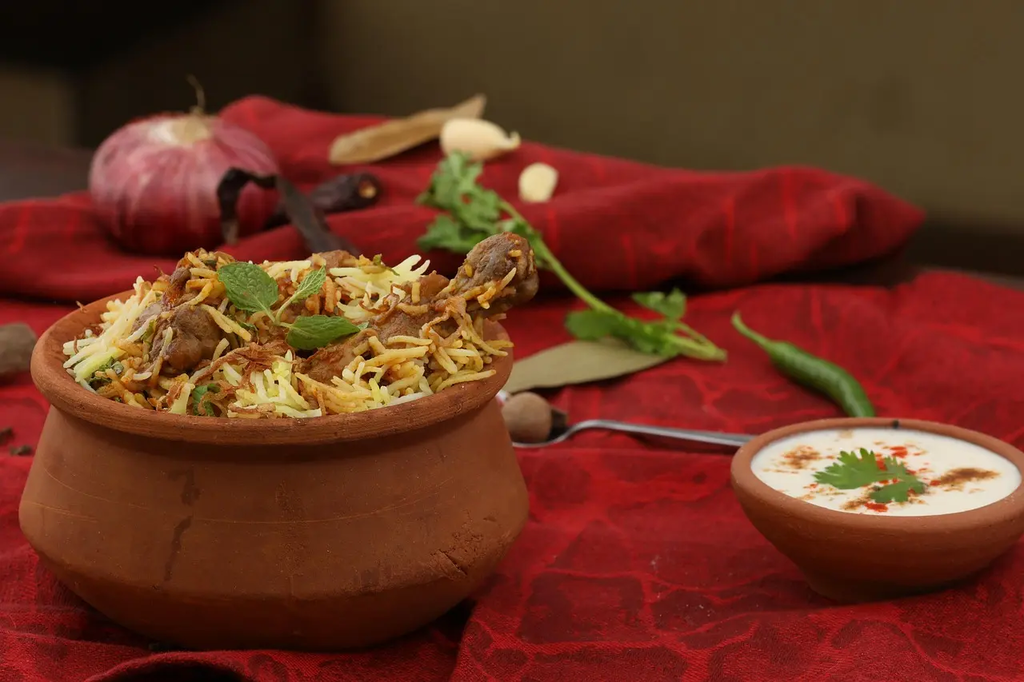
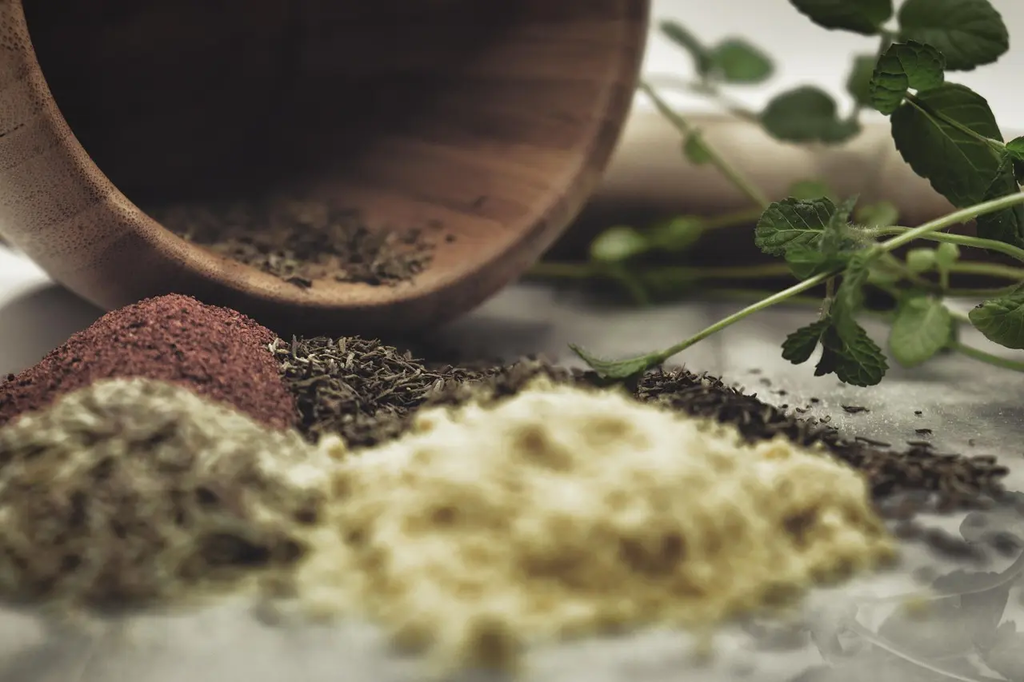
Basic spices and herbs are essential ingredients used worldwide to enhance the flavor, aroma, and color of dishes. Common examples include black pepper, cumin, coriander, basil, oregano, and thyme. Each culture utilizes a unique combination of these seasonings, shaping the distinct taste profiles of their traditional cuisines. Exploring these basic spices and herbs allows food enthusiasts to recreate and identify the world’s tastiest dishes, enriching their culinary experiences and appreciation for global flavors.
Basic Spices and Herbs+50
Basic spices and herbs are essential ingredients used worldwide to enhance the flavor, aroma, and color of dishes. Common examples include black pepper, cumin, coriander, basil, oregano, and thyme. Each culture utilizes a unique combination of these seasonings, shaping the distinct taste profiles of their traditional cuisines. Exploring these basic spices and herbs allows food enthusiasts to recreate and identify the world’s tastiest dishes, enriching their culinary experiences and appreciation for global flavors.
💡 Key Takeaways
- Distinguish between spices and herbs and identify common examples.
- Learn how to store spices and herbs to preserve aroma and potency.
- Know when to add spices/herbs during cooking to maximize flavor.
- Explore simple, versatile pairings and uses for common spices and herbs.
❓ Frequently Asked Questions
What is the difference between an herb and a spice?
Herbs come from the leaves of a plant (often used fresh); spices come from other parts—seeds, bark, roots, or fruits.
How should you store spices and fresh herbs to keep their flavor?
Store in airtight containers in a cool, dark place. Whole dried spices last 3–4 years; ground spices 2–3 years. Fresh herbs refrigerate (trim stems, stand in water or wrap in a damp towel) and are best within 1–2 weeks.
When should you add spices vs. herbs during cooking?
Spices are usually added early to bloom flavors; herbs are added later to preserve aroma and brightness (fresh herbs near the end or as a garnish).
Can you name common examples of everyday spices and herbs?
Spices: black pepper, cumin, paprika, cinnamon. Herbs: basil, parsley, oregano, thyme, cilantro.