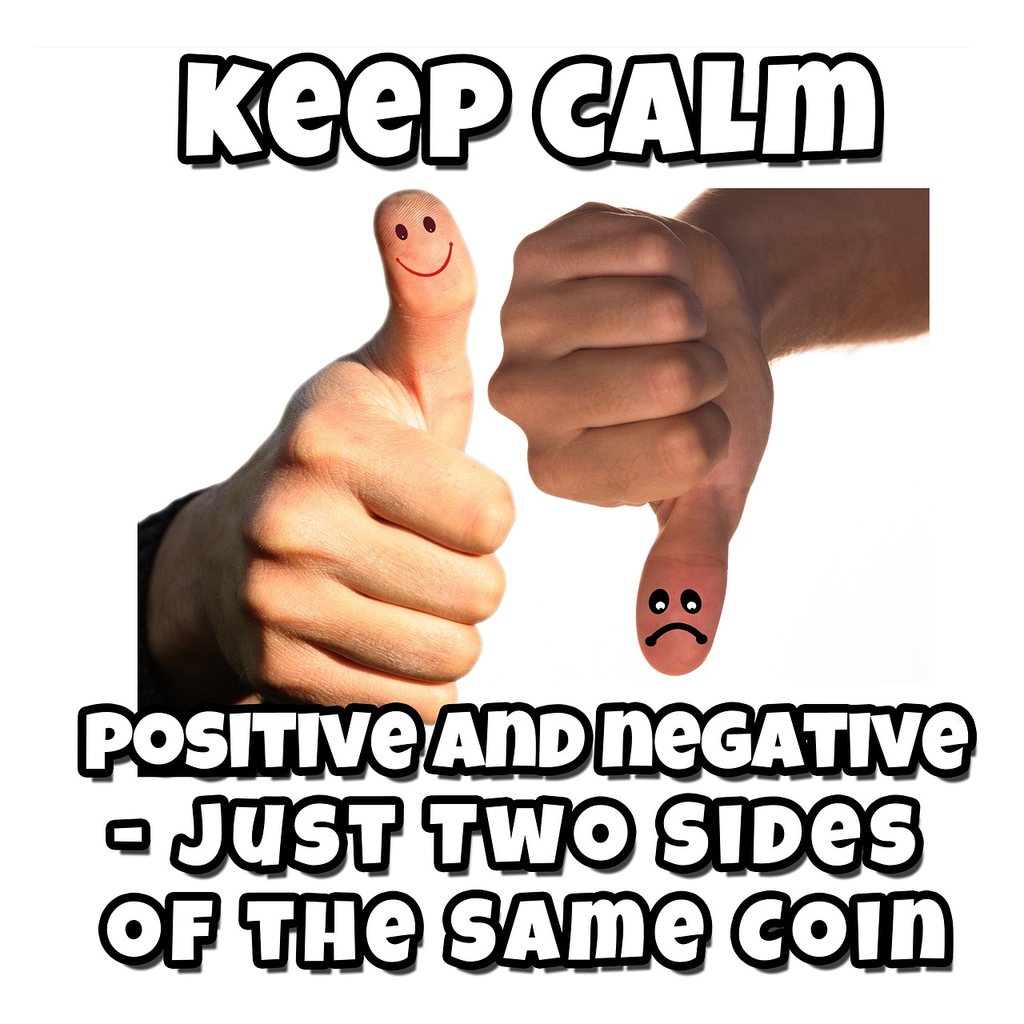
The "Basic Thumbs Up" emoji is a simple yet powerful gesture used in digital communication to express approval, agreement, or encouragement. Often included among emotion emojis like smiles and tears, it conveys positivity and support without the need for words. This emoji is universally recognized, making it an effective tool for quick, friendly interactions, and is commonly used to acknowledge messages or show appreciation in both personal and professional contexts.
Basic Thumbs Up+50
The "Basic Thumbs Up" emoji is a simple yet powerful gesture used in digital communication to express approval, agreement, or encouragement. Often included among emotion emojis like smiles and tears, it conveys positivity and support without the need for words. This emoji is universally recognized, making it an effective tool for quick, friendly interactions, and is commonly used to acknowledge messages or show appreciation in both personal and professional contexts.

💡 Key Takeaways
- Understand the basic meaning of a thumbs-up as approval or agreement.
- Be aware of cultural differences and potential meanings in different regions.
- Know when and how to use a thumbs-up in person and in digital communication (emojis).
- Recognize situations where a thumbs-up may be inappropriate and learn suitable alternatives.
❓ Frequently Asked Questions
What does a thumbs up gesture usually mean?
It typically signals approval, agreement, or that something is good or acceptable. Context can change its meaning, so consider tone and situation.
Are there cultural differences to watch out for with the thumbs up?
Yes. In some cultures, the thumbs up can be considered rude or offensive. When unsure, avoid assuming intent and use clear words.
How can I express approval in writing if I can’t give a thumbs up?
Use explicit phrases like “great job,” “well done,” or “I approve,” or use a neutral emoji combined with words to avoid misinterpretation.
When should I avoid using a thumbs up in a quiz or formal setting?
Avoid it when precise feedback is needed or in contexts where tone could be misread; opt for explicit feedback or a different, neutral gesture.