The "thumbs down" gesture, often represented by the emoji, typically signifies disapproval or dislike in Western cultures. However, its meaning varies globally; in some Middle Eastern and Asian countries, it can be seen as highly offensive or rude. When paired with emotion emojis like smiles or tears, the context can shift—smiles may soften the criticism, while tears can express disappointment or sadness, highlighting emotional nuances across different cultures.
Thumbs Down in Different Cultures
The "thumbs down" gesture, often represented by the emoji, typically signifies disapproval or dislike in Western cultures. However, its meaning varies globally; in some Middle Eastern and Asian countries, it can be seen as highly offensive or rude. When paired with emotion emojis like smiles or tears, the context can shift—smiles may soften the criticism, while tears can express disappointment or sadness, highlighting emotional nuances across different cultures.
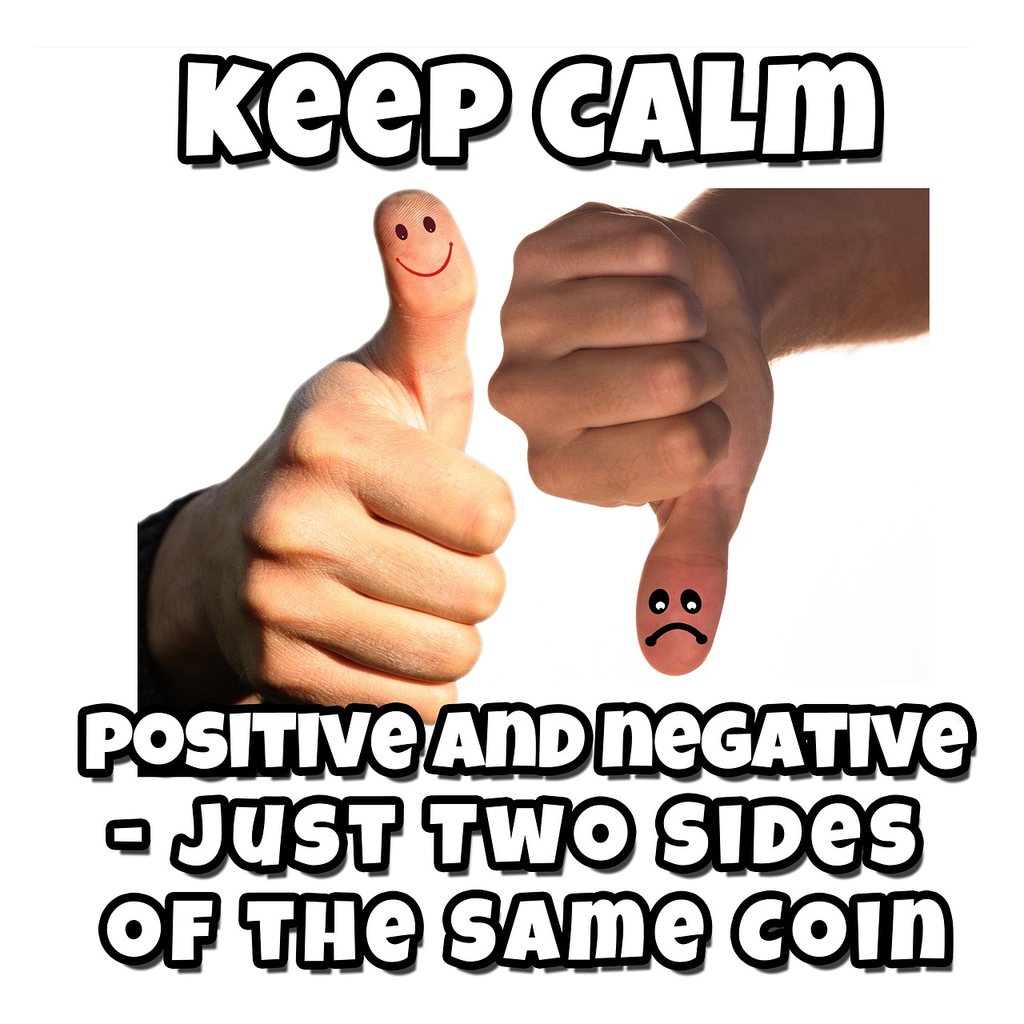
💡 Key Takeaways
- Learn how the thumbs-down gesture commonly signals disapproval in many cultures and where it can be considered highly offensive.
- Explore regional variations of the gesture's meaning across Western, Middle Eastern, and East Asian contexts.
- Identify respectful ways to express disapproval across cultures, including alternative nonverbal cues and clear verbal phrases.
- Understand how context, culture, and body language influence interpretation to avoid cross-cultural miscommunication.
❓ Frequently Asked Questions
What does a thumbs-down gesture typically mean in Western cultures?
It usually signals disapproval, rejection, or a negative verdict in everyday interactions and media.
Do all cultures use the thumbs-down gesture the same way?
No. Nonverbal cues vary globally; some cultures may not use it, or may interpret it differently, so rely on context and verbal cues.
Is the idea that Romans used a thumbs-down to 'kill' gladiators true?
It's a popular myth. The historical meaning of Roman gestures is debated, and thumbs-down as a death signal is not reliably supported.
How can you express disapproval respectfully in cross-cultural settings?
Use clear verbal negation and, if using a gesture, pair it with words to avoid misinterpretation; avoid potentially offensive signals.
How has the online thumbs-down button affected cross-cultural understanding?
Online dislikes provide a quick negative signal, but interpretations vary by platform and culture, so context matters.