Basic wine and cheese pairings involve matching the flavors and textures of various wines with complementary cheeses to enhance the tasting experience. Classic combinations include pairing creamy Brie with sparkling wine, sharp Cheddar with robust reds like Cabernet Sauvignon, and tangy goat cheese with crisp Sauvignon Blanc. Understanding these pairings allows food explorers to appreciate how the right wine and cheese elevate each other, creating a harmonious balance of taste and aroma.
Basic Wine and Cheese Pairings
Basic wine and cheese pairings involve matching the flavors and textures of various wines with complementary cheeses to enhance the tasting experience. Classic combinations include pairing creamy Brie with sparkling wine, sharp Cheddar with robust reds like Cabernet Sauvignon, and tangy goat cheese with crisp Sauvignon Blanc. Understanding these pairings allows food explorers to appreciate how the right wine and cheese elevate each other, creating a harmonious balance of taste and aroma.
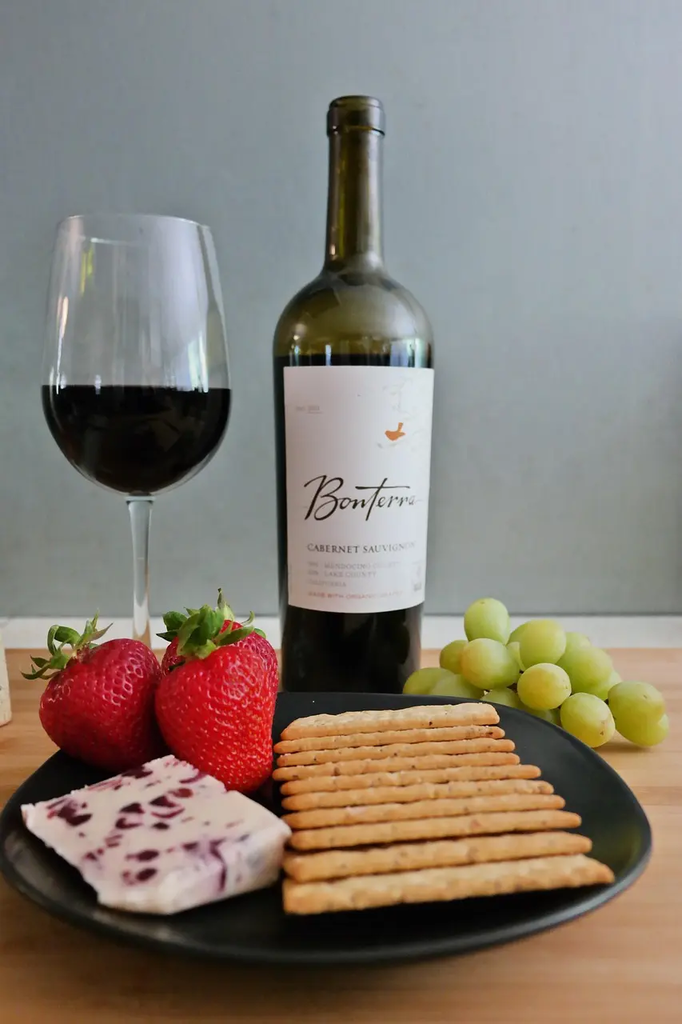
💡 Key Takeaways
- Grasp the basic wine-and-cheese pairing principles, including complementing flavors and creating pleasant contrasts.
- Match cheese textures (soft, semi-soft, hard, blue) with suitable wine styles (sparkling, white, red, or fortified).
- Balance key factors such as intensity, acidity, salt, and sweetness to avoid overpowering or dull combinations.
- Identify common cheese categories and practice beginner-friendly pairings to build confidence (e.g., Brie with Chardonnay, aged cheddar with Cabernet).
❓ Frequently Asked Questions
What is the basic goal of wine and cheese pairing?
To balance flavors, textures, and intensities so the wine and cheese complement each other rather than compete, creating harmony or an enjoyable contrast.
How should you pair wine and cheese by intensity?
Pair lighter cheeses with lighter wines and bolder, aged cheeses with fuller-bodied wines to keep flavors in balance.
What role do texture and saltiness play in pairings?
Creamy or fatty cheeses soften tannins and round out the palate, while salty cheeses can enhance perceived acidity, so match the wine’s acidity and body to the cheese.
Can you name a few simple starter pairings?
Brie with Chardonnay or Champagne; Aged cheddar with Cabernet or Malbec; Goat cheese with Sauvignon Blanc; Blue cheese with Port or a sweet wine.