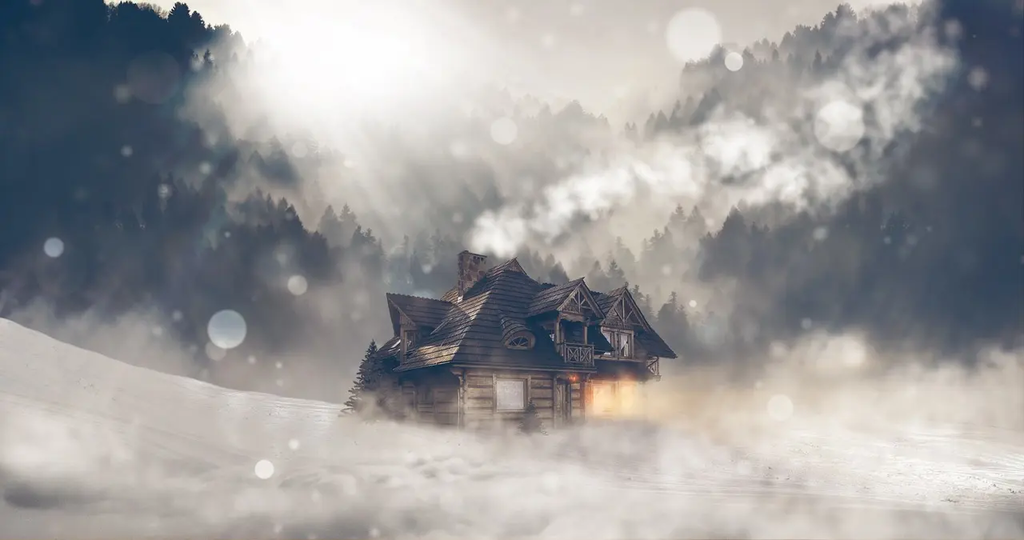
Blizzards are powerful winter storms marked by strong winds, heavy snowfall, and dangerously low visibility. These fierce natural events can last for hours or even days, making travel nearly impossible and causing power outages. Blizzards also bring extreme cold, increasing the risk of frostbite and hypothermia. Their unpredictable and harsh conditions highlight nature’s scary side, reminding us of the immense power and unpredictability of the natural world.
Blizzards+50
Blizzards are powerful winter storms marked by strong winds, heavy snowfall, and dangerously low visibility. These fierce natural events can last for hours or even days, making travel nearly impossible and causing power outages. Blizzards also bring extreme cold, increasing the risk of frostbite and hypothermia. Their unpredictable and harsh conditions highlight nature’s scary side, reminding us of the immense power and unpredictability of the natural world.
💡 Key Takeaways
- Define a blizzard and identify the key conditions: heavy snowfall, strong winds, and reduced visibility.
- Explain how blizzards form and the weather patterns that lead to them.
- List essential safety steps during a blizzard (stay indoors, dress warmly, conserve heat, and avoid unnecessary travel).
- Understand common blizzard impacts on travel, power, and daily life, and how to prepare a basic emergency kit.
❓ Frequently Asked Questions
What is a blizzard?
A severe winter storm with heavy snow, strong winds (often 35 mph or more), and very low visibility (usually under 1/4 mile) lasting several hours.
What conditions define a blizzard?
Sustained or frequent winds of 35 mph+, falling or blowing snow that reduces visibility to 1/4 mile or less, typically lasting at least 3 hours.
How is a blizzard different from a snowstorm?
A snowstorm involves heavy snowfall, but a blizzard also includes strong winds and very low visibility, making travel extremely hazardous.
What safety steps should you take during a blizzard?
Stay indoors, stock up on essentials, keep warm, charge devices, and avoid unnecessary travel.
What are common impacts of blizzards?
Travel disruptions, power outages, road closures, and heavy snow accumulation that can lead to property damage.