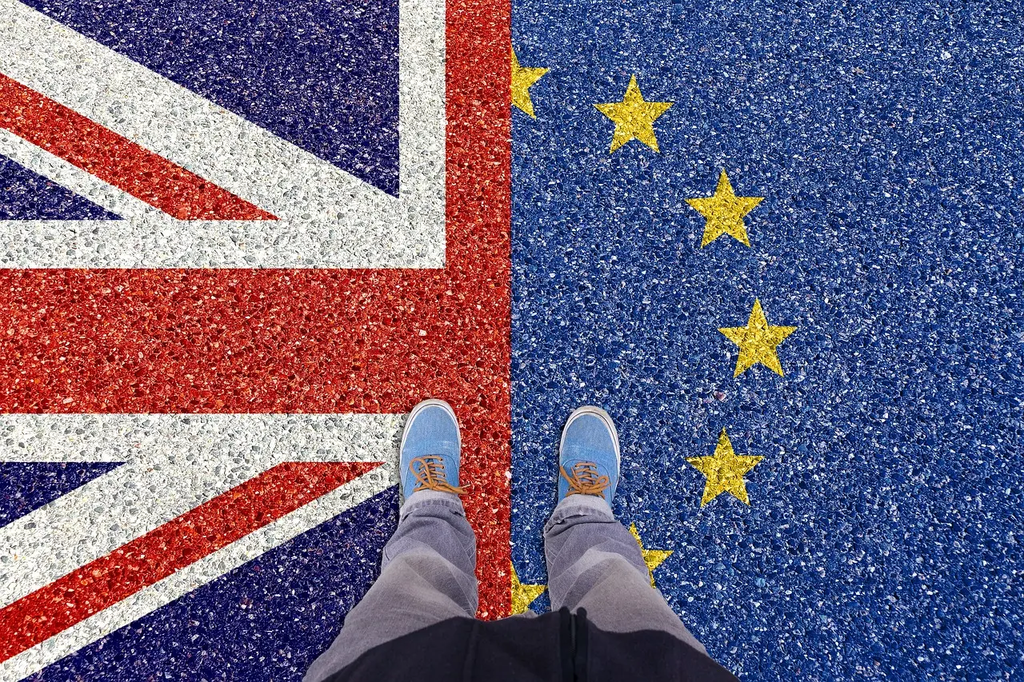
Brexit, the United Kingdom's exit from the European Union, significantly affected UK food trade by introducing new tariffs, customs checks, and regulatory barriers. These changes led to increased costs, delays at borders, and disrupted supply chains for both imports and exports. Many UK food businesses faced challenges adapting to new paperwork and standards, resulting in reduced product variety and higher prices for consumers. Overall, Brexit created lasting uncertainty and complexity in the UK food trade sector.
Brexit and its impact on UK food trade
Brexit, the United Kingdom's exit from the European Union, significantly affected UK food trade by introducing new tariffs, customs checks, and regulatory barriers. These changes led to increased costs, delays at borders, and disrupted supply chains for both imports and exports. Many UK food businesses faced challenges adapting to new paperwork and standards, resulting in reduced product variety and higher prices for consumers. Overall, Brexit created lasting uncertainty and complexity in the UK food trade sector.
💡 Key Takeaways
- Understand how Brexit introduced tariffs and added costs for UK food trade.
- Learn how customs checks and border delays affect food imports and exports.
- Explore regulatory barriers and post-Brexit standards divergence affecting UK food businesses.
- Recognize how supply chain disruptions impact price, availability, and delivery times for UK food.
❓ Frequently Asked Questions
What is Brexit and how did it affect UK food trade?
Brexit is the United Kingdom leaving the European Union. It ended the EU's single market and customs union, introducing tariffs, border checks, and regulatory differences that raise costs and can cause delays for food imports and exports.
What are tariffs, customs checks, and regulatory barriers in practice for UK food trade?
Tariffs add cost on some products; customs checks require declarations and inspections; regulatory barriers mean different safety, labeling, and origin rules, increasing compliance costs and potential delays.
How have border delays and paperwork affected UK food businesses?
Delays at ports can slow deliveries, raise storage needs, and push up transport costs, disrupting food supply chains for imports and exports.
How can UK food businesses adapt to Brexit changes?
Stay updated on rules; prepare origin and sanitary and phytosanitary documents; use HS codes; work with trusted suppliers; build buffer stock; plan for longer lead times.
Does Brexit affect Northern Ireland differently?
Yes. The Northern Ireland Protocol keeps NI aligned with EU rules for some goods, creating different checks and paperwork for GB→NI and NI→EU trade.