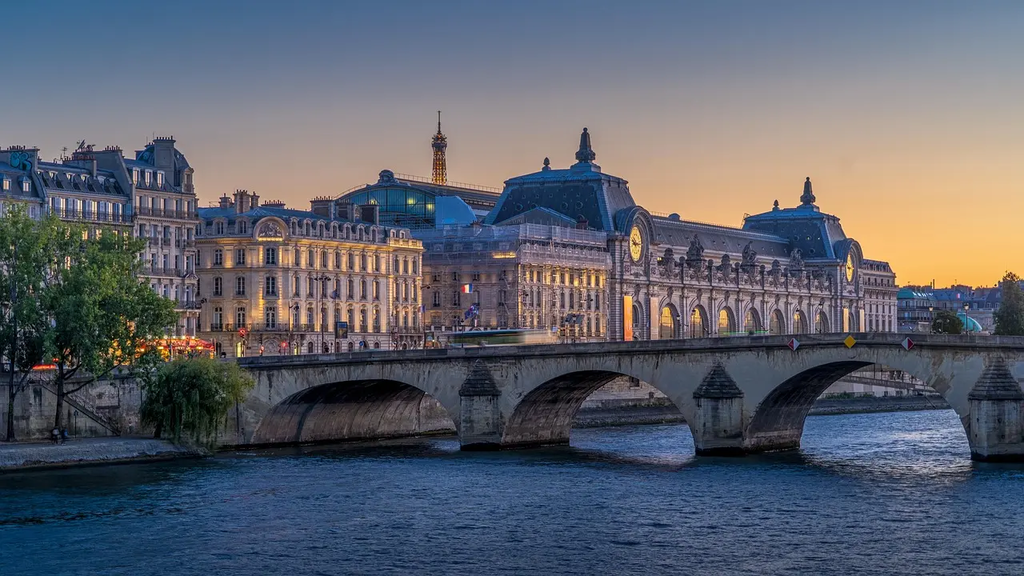
Capitals with historic city walls and fortifications are cities that once served as political or administrative centers and were protected by defensive structures. These walls and fortifications, often built centuries ago, reflect the city’s historical significance, architectural ingenuity, and strategic importance. They symbolize resilience against invasions and offer insight into the urban planning and military tactics of past civilizations, while today they often serve as iconic landmarks and tourist attractions.
Capitals with Historic City Walls and Fortifications
Capitals with historic city walls and fortifications are cities that once served as political or administrative centers and were protected by defensive structures. These walls and fortifications, often built centuries ago, reflect the city’s historical significance, architectural ingenuity, and strategic importance. They symbolize resilience against invasions and offer insight into the urban planning and military tactics of past civilizations, while today they often serve as iconic landmarks and tourist attractions.

💡 Key Takeaways
- Identify capitals that retain historic city walls or fortifications and recognize their historic role as political centers.
- Explain how defensive structures shaped urban development, street patterns, and trade in these capitals.
- Describe common features of historic fortifications (city walls, gates, towers, bastions) and their architectural significance.
- Discuss how preserved walls influence modern tourism, heritage preservation, and urban planning in these capitals.
❓ Frequently Asked Questions
What qualifies as a capital with historic city walls and fortifications?
A capital city that historically had defensive walls and fortifications surrounding its core or administrative area.
Why were these walls built around capitals?
They protected rulers and government functions, controlled access and trade, and demonstrated political power, shaping the city’s development.
What features are typical of historic city walls and fortifications?
Common features include walls, gates, towers, battlements, ramparts, bastions, moats, and sometimes citadels or star-shaped forts.
How can you use this knowledge in a geography quiz?
Identify capitals with well-preserved historic cores or fortifications, look for references to old city walls or gates, and cross-check with heritage sites or maps highlighting fortified districts.