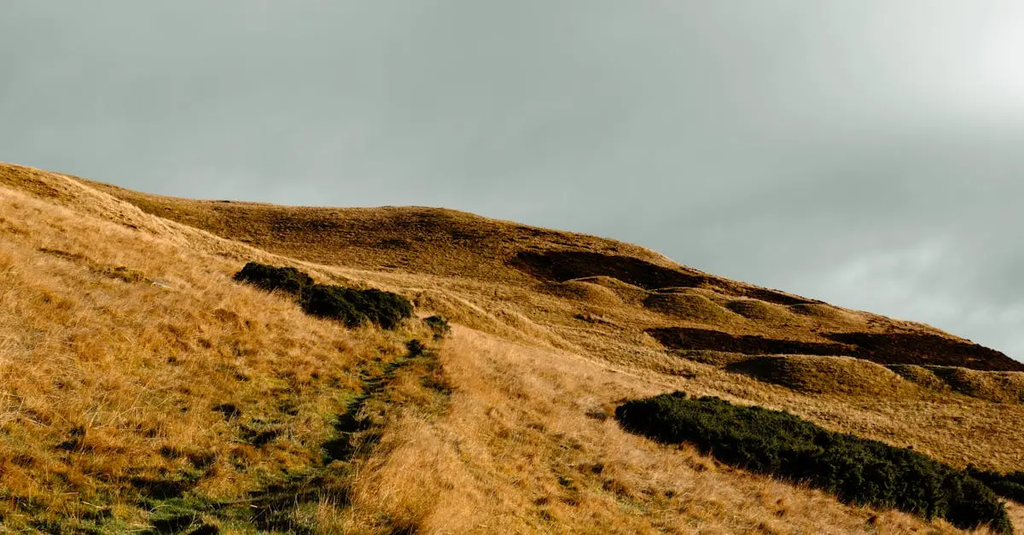
Cartography is the science and art of creating maps, representing geographical areas visually and accurately. Geodesy is the scientific discipline that measures and understands the Earth's geometric shape, orientation in space, and gravity field. Together, cartography and geodesy provide the foundation for mapping, navigation, and spatial analysis by ensuring that maps are precise representations of the Earth's surface, informed by accurate measurements and data.
Cartography & Geodesy
Cartography is the science and art of creating maps, representing geographical areas visually and accurately. Geodesy is the scientific discipline that measures and understands the Earth's geometric shape, orientation in space, and gravity field. Together, cartography and geodesy provide the foundation for mapping, navigation, and spatial analysis by ensuring that maps are precise representations of the Earth's surface, informed by accurate measurements and data.
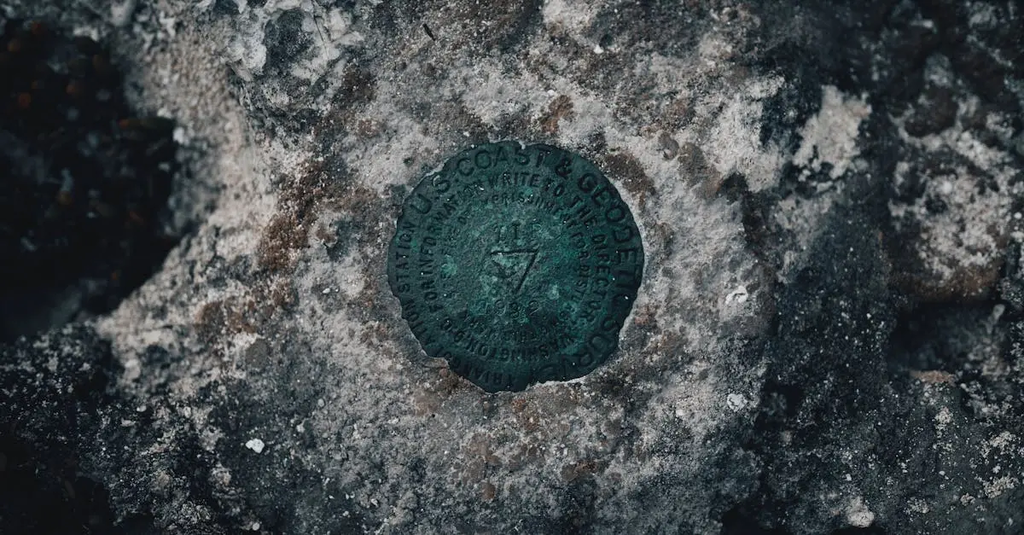
💡 Key Takeaways
- What cartography is and how maps visually represent geography.
- What geodesy studies: Earth's shape, orientation in space, and gravity field for precise positioning.
- How cartography and geodesy work together to define datums, coordinate systems, and map projections.
- Key tools and concepts such as GIS, GPS, remote sensing, and map projections used in the field.
❓ Frequently Asked Questions
What is cartography?
Cartography is the science and art of creating maps, combining geography, data, design, and symbols to represent places and features accurately and clearly.
What is geodesy?
Geodesy is the science of measuring and understanding the Earth's shape, orientation in space, and gravity field to determine precise positions on or above the Earth.
How do cartography and geodesy relate to map accuracy?
Geodesy provides the geometric framework—datums and coordinate systems—that cartography uses to place features correctly on maps, reducing distortions.
What is a map projection and why does it matter?
A map projection is a method for translating the curved Earth to a flat map; all projections distort some properties, so map makers choose projections based on the map’s purpose.