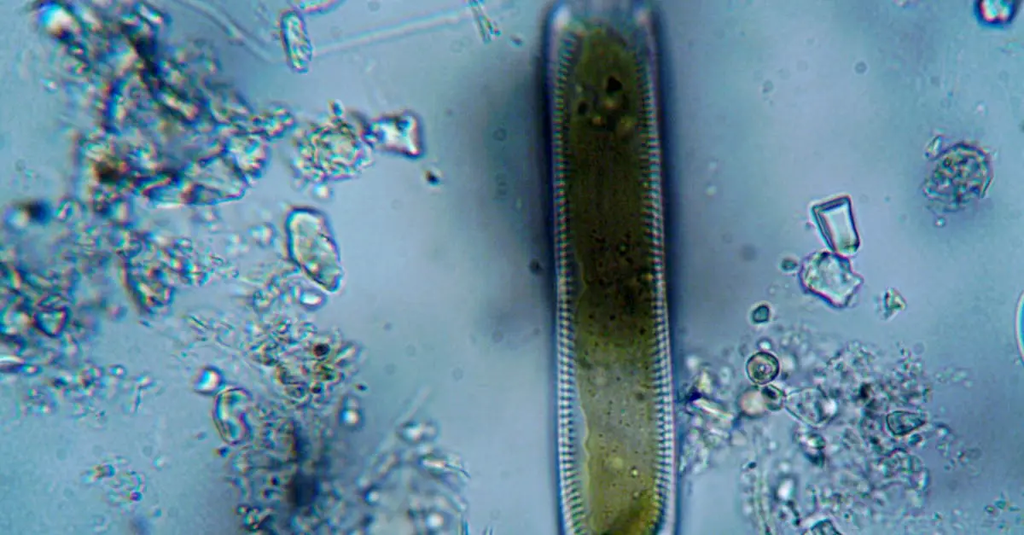
Cell Biology & Genetics is the study of the structure, function, and behavior of cells, the fundamental units of life, and the principles of heredity and variation in living organisms. Cell biology explores how cells grow, divide, and interact, while genetics examines how traits are inherited through genes and DNA. Together, they provide a foundation for understanding biological processes, disease mechanisms, and the development of new medical therapies.
Cell Biology & Genetics+50
Cell Biology & Genetics is the study of the structure, function, and behavior of cells, the fundamental units of life, and the principles of heredity and variation in living organisms. Cell biology explores how cells grow, divide, and interact, while genetics examines how traits are inherited through genes and DNA. Together, they provide a foundation for understanding biological processes, disease mechanisms, and the development of new medical therapies.
💡 Key Takeaways
- Describe the structure of cells and the roles of major organelles (cell membrane, nucleus, mitochondria, etc.).
- Explain how cells grow, divide (mitosis) and interact with other cells.
- Understand the basics of heredity: genes, DNA, alleles, and how traits are passed to offspring.
- Explain how genetic variation arises and how it is inherited, including simple inheritance patterns.
- Connect cell biology and genetics by exploring gene expression, regulation, and the impact of mutations.
❓ Frequently Asked Questions
What is cell biology?
Cell biology is the study of cells—their structure, function, and interactions—as the fundamental units of life.
How do cells grow and divide?
Cells grow by increasing in size and then divide through mitosis (for most body cells) followed by cytokinesis; meiosis is used to make gametes with half the chromosome number.
What is genetics and how are traits inherited?
Genetics studies how traits are passed from parents to offspring through genes made of DNA; offspring inherit alleles that influence these traits.
What creates genetic variation?
Genetic variation arises from recombination during meiosis, fertilization, and new mutations, providing diverse traits for evolution.