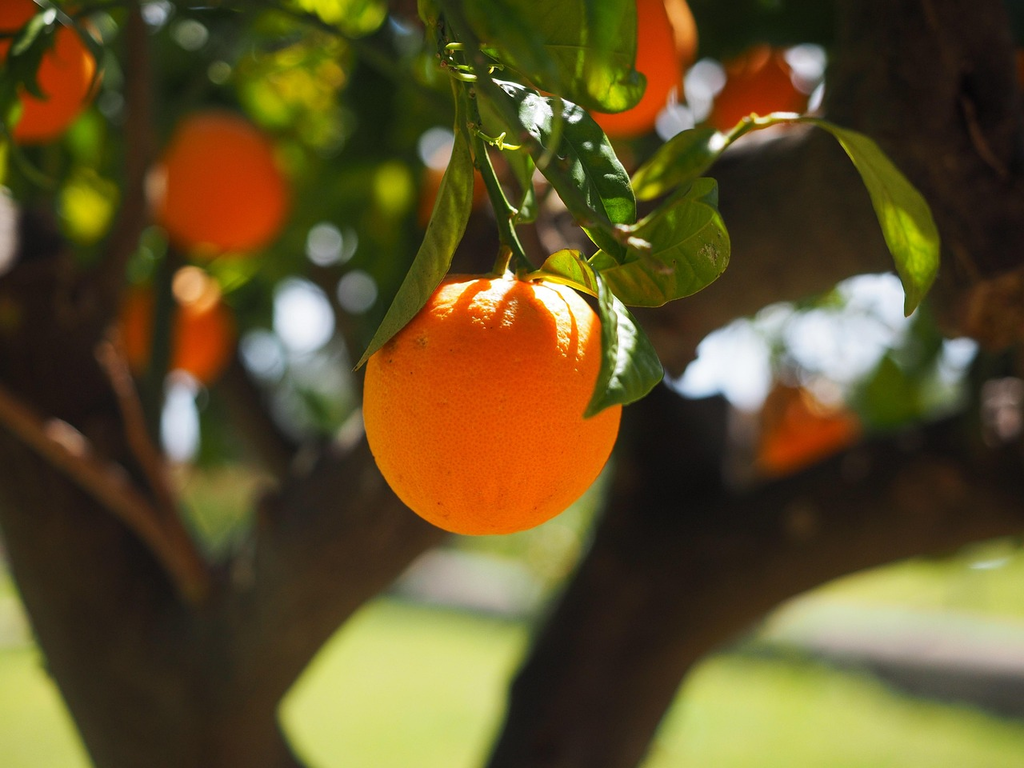
The cherry industry contributes to sustainable development by promoting environmentally friendly farming practices, conserving water, and reducing pesticide use. Through innovations in cultivation and packaging, it minimizes waste and carbon footprint. The integration of cherries and oranges in crop rotation enhances soil fertility and biodiversity. Additionally, the industry supports local economies by generating employment and fostering community development, ensuring that growth meets present needs without compromising resources for future generations.
Cherry Industry's Role in Sustainable Development
The cherry industry contributes to sustainable development by promoting environmentally friendly farming practices, conserving water, and reducing pesticide use. Through innovations in cultivation and packaging, it minimizes waste and carbon footprint. The integration of cherries and oranges in crop rotation enhances soil fertility and biodiversity. Additionally, the industry supports local economies by generating employment and fostering community development, ensuring that growth meets present needs without compromising resources for future generations.
💡 Key Takeaways
- Explain how the cherry industry supports sustainable development goals in environmental, social, and economic dimensions.
- Identify key sustainability challenges in cherry farming, including water use, pesticides, energy, and waste.
- Describe sustainable cherry production practices such as drip irrigation, integrated pest management, and soil health management.
- Analyze the economic and community impacts of the cherry industry, including farmer livelihoods and fair labor considerations.
- Explore innovations in processing, packaging, and logistics that reduce waste and emissions in the cherry supply chain.
❓ Frequently Asked Questions
What does sustainable development mean in the cherry industry?
It means producing cherries in ways that protect the environment, support farm workers and communities, and keep farms viable for future harvests.
What farming practices help conserve water and soil in cherry orchards?
Practices include drip irrigation, soil moisture monitoring, mulching, cover crops, and reduced tillage to lower water use and prevent erosion.
How does the cherry industry manage pests while protecting pollinators?
Through Integrated Pest Management: monitoring pests, using targeted biological controls, minimizing chemical sprays, and maintaining pollinator habitats.
How can cherry supply chains support fair labor and local communities?
By ensuring safe working conditions, paying fair wages, promoting transparent sourcing, and pursuing certifications and community programs that verify standards.