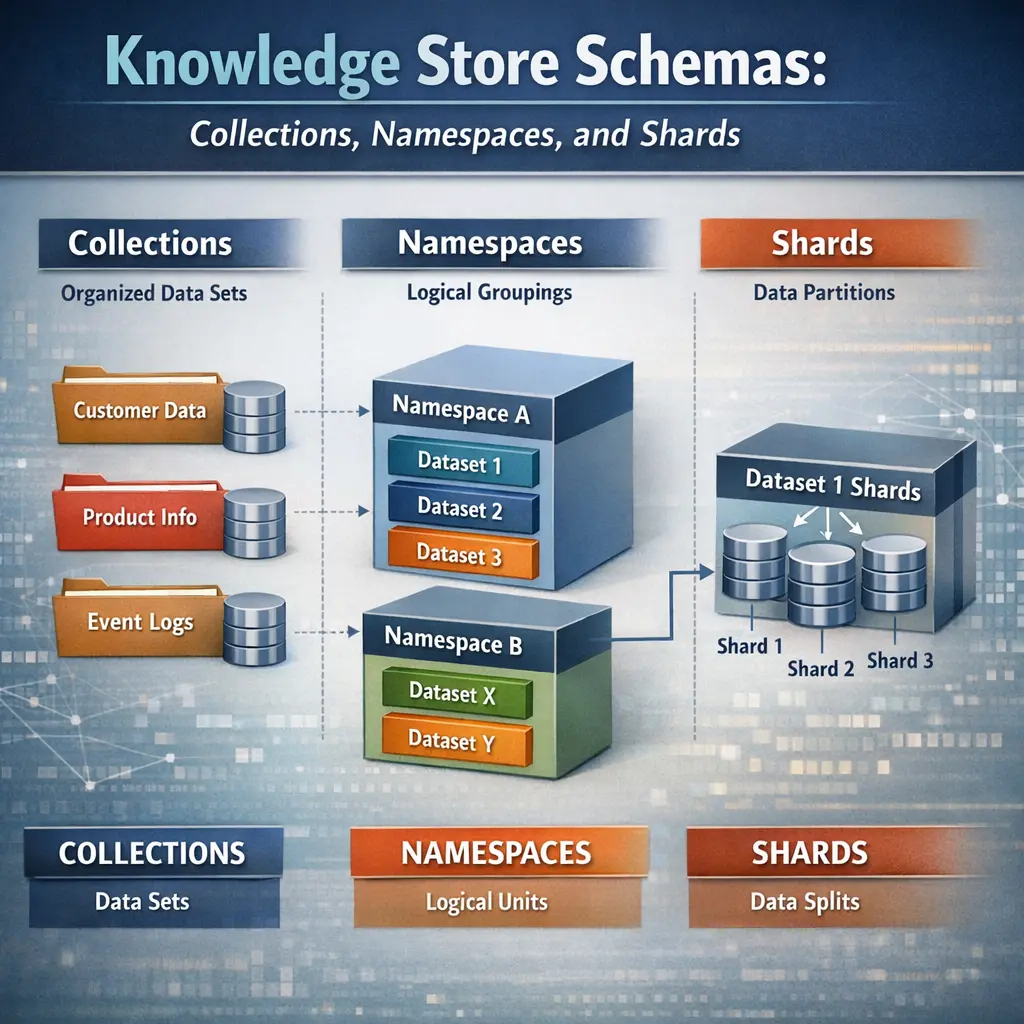
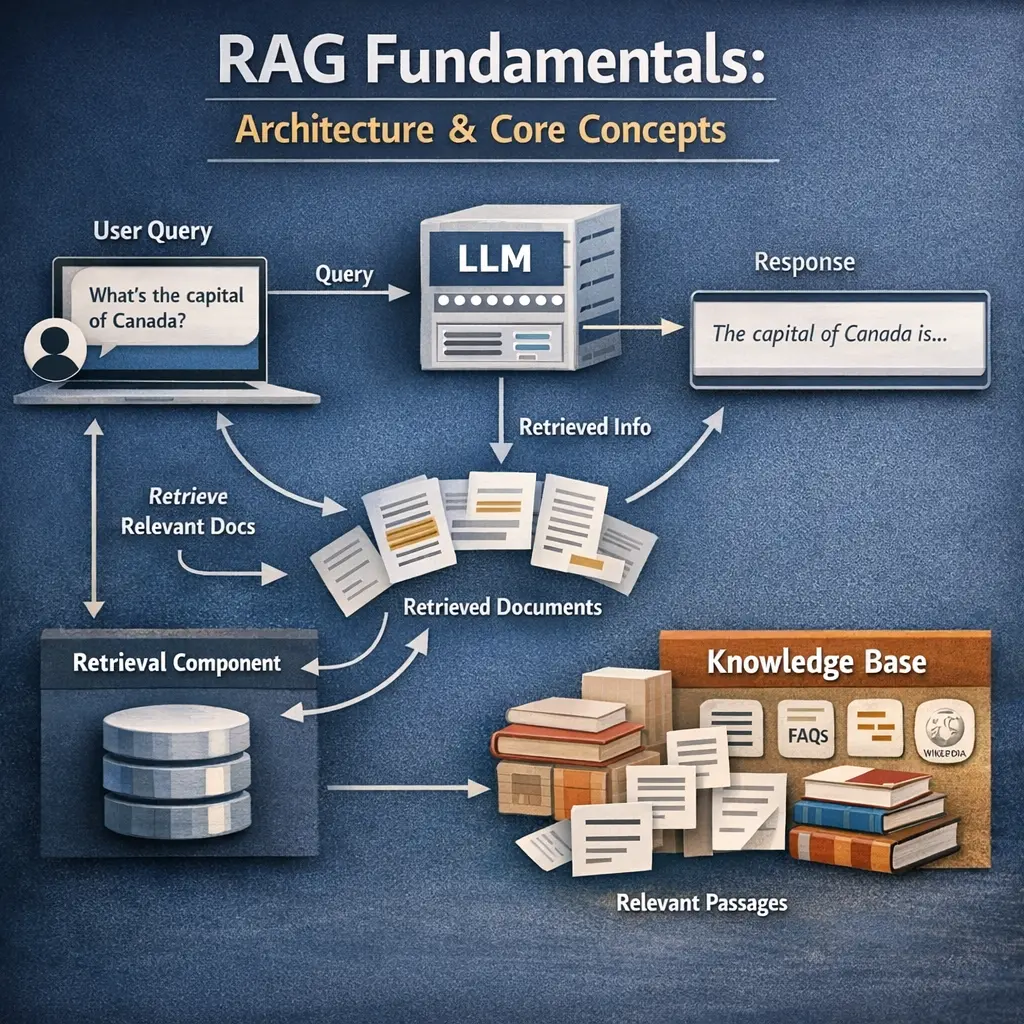
Cited Answers and Source Attribution Techniques in Retrieval-Augmented Generation (RAG) involve integrating information retrieval with generative AI models. RAG systems fetch relevant documents from external sources and use them to generate answers, ensuring responses are grounded in verifiable data. Source attribution techniques explicitly reference or cite these sources, enhancing transparency and trustworthiness by allowing users to trace the origin of information in the generated answers.
Cited Answers and Source Attribution Techniques
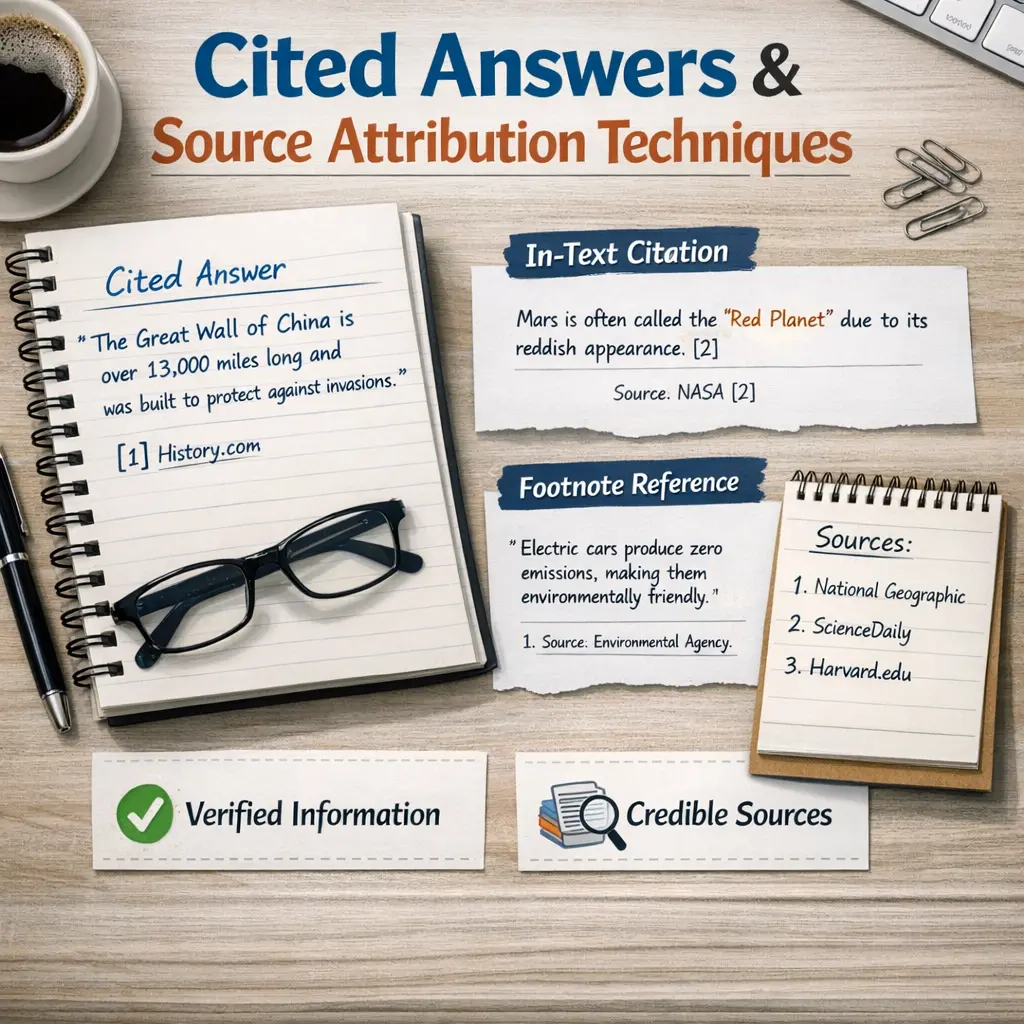
Cited Answers and Source Attribution Techniques in Retrieval-Augmented Generation (RAG) involve integrating information retrieval with generative AI models. RAG systems fetch relevant documents from external sources and use them to generate answers, ensuring responses are grounded in verifiable data. Source attribution techniques explicitly reference or cite these sources, enhancing transparency and trustworthiness by allowing users to trace the origin of information in the generated answers.
💡 Key Takeaways
- Understand why citing sources is essential for credibility, transparency, and avoiding plagiarism.
- Learn how to attribute sources using in-text citations and reference lists.
- Get acquainted with common citation styles (APA, MLA, Chicago) and where to apply them.
- Practice evaluating source credibility and accurately recording citations for different content (text, images, data).
❓ Frequently Asked Questions
What is source attribution and why is it important in a quiz article?
Source attribution credits the original authors for ideas, data, or quotes. It helps readers verify information, avoids plagiarism, and adds credibility to your quiz.
When should you cite sources in a quiz article?
Cite whenever you use someone else's ideas, data, statistics, direct quotes, or distinctive wording. If it isn't your own thought, cite it.
What are common citation styles and how do you choose one?
Common styles include APA (author-date), MLA (author-page), and Chicago (notes-bibliography or author-date). Choose the style specified by your guidelines and apply it consistently for in-text citations and the reference list.
What is the difference between paraphrasing and quoting, and how do you cite each?
Quoting uses exact words with quotation marks and a citation; paraphrasing restates the idea in your own words with a citation. Both require attribution.