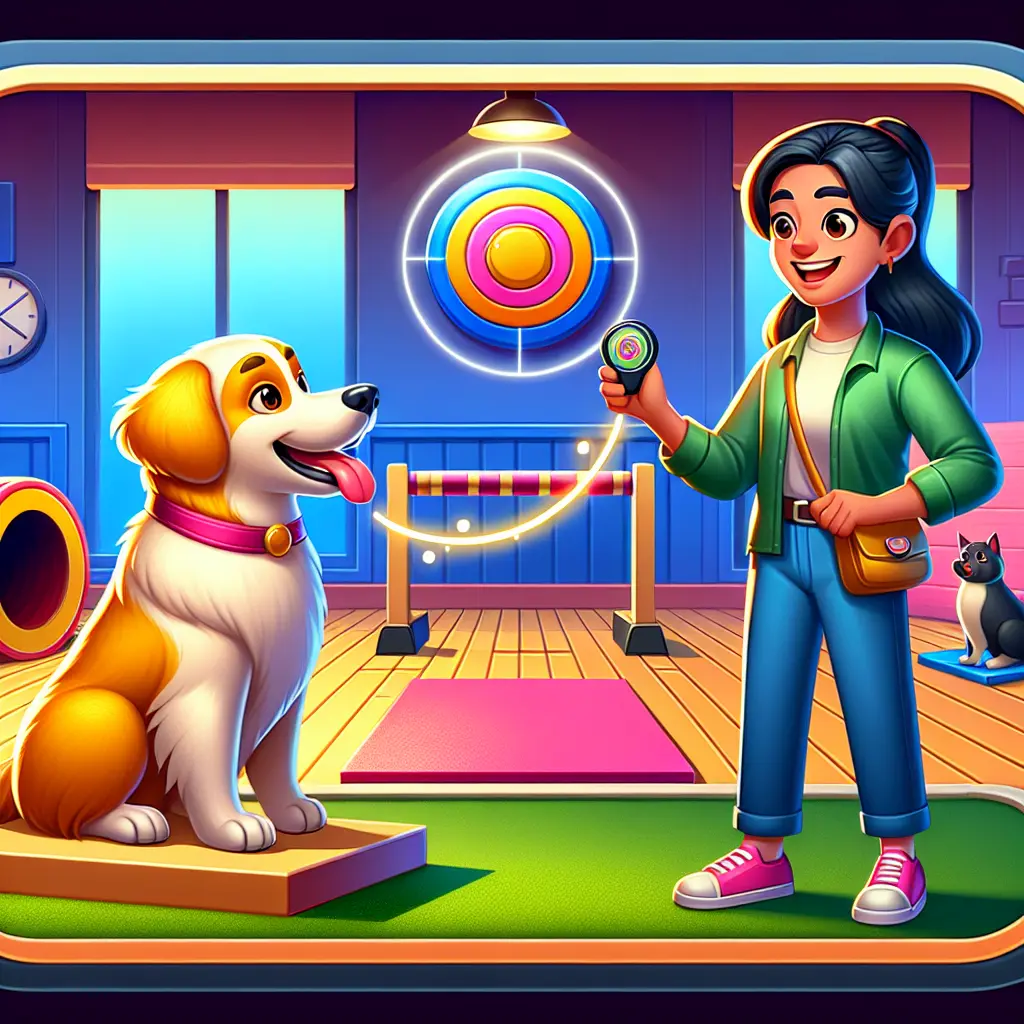
Clicker training techniques involve using a small handheld device that makes a distinct clicking sound to mark desired behaviors in animals, typically dogs. When the animal performs the correct action, the trainer clicks and immediately follows with a reward, such as a treat. This method relies on positive reinforcement, helping animals quickly associate the click with a positive outcome. Clicker training is widely praised for its clarity, consistency, and ability to accelerate learning in a humane, enjoyable manner.
Clicker Training Techniques
Clicker training techniques involve using a small handheld device that makes a distinct clicking sound to mark desired behaviors in animals, typically dogs. When the animal performs the correct action, the trainer clicks and immediately follows with a reward, such as a treat. This method relies on positive reinforcement, helping animals quickly associate the click with a positive outcome. Clicker training is widely praised for its clarity, consistency, and ability to accelerate learning in a humane, enjoyable manner.
💡 Key Takeaways
- Understand that clicker training uses a distinct click as a marker for the exact moment a desired behavior occurs.
- Click immediately when the behavior happens, then follow with a reward to reinforce it.
- Pair the click with a reward (treat, praise) to build a strong behavior-reward association.
- Keep training sessions short and frequent, starting with simple actions and gradually building complexity.
- Be consistent: click only for correct actions, avoid rewarding mistakes, and gradually fade the clicker as the behavior becomes reliable.
❓ Frequently Asked Questions
What is clicker training?
A training method that uses a small handheld device that makes a distinct clicking sound to mark the exact moment a desired behavior occurs, followed by a reward.
How does the clicker signal the right moment, and why is timing important?
The click acts as a conditioned reinforcer; it marks the precise moment the animal performed the desired behavior, and immediate reward helps the animal connect the action with the outcome.
Is clicker training just for dogs?
Not at all; while popular for dogs, clicker training can work with cats, birds, rabbits, and other animals as a form of positive reinforcement.
What are best practices to get started?
Begin with easy behaviors, keep sessions short, click exactly when the behavior occurs, reward immediately, and gradually add steps like distance or distractions.